Retrofit Sprinkler System Installation: A Comprehensive Guide
Are you a business owner or property manager looking to upgrade the fire safety measures of your existing building? Consider retrofitting a sprinkler system installation. This process involves modifying an existing system to meet current safety standards and building requirements. In this article, we will explore the advantages, process, and essential considerations for retrofitting a sprinkler system.
Why Retrofitting a Sprinkler System is a Must
According to research conducted by the National Fire Protection Association (NFPA), fires can cause substantial damage, and automatic fire sprinklers are extremely effective in reducing loss and damage. A retrofit sprinkler system installation ensures that your building complies with modern fire safety standards and reduces the risk of property damage and loss of life.

Understanding the Retrofitting Process
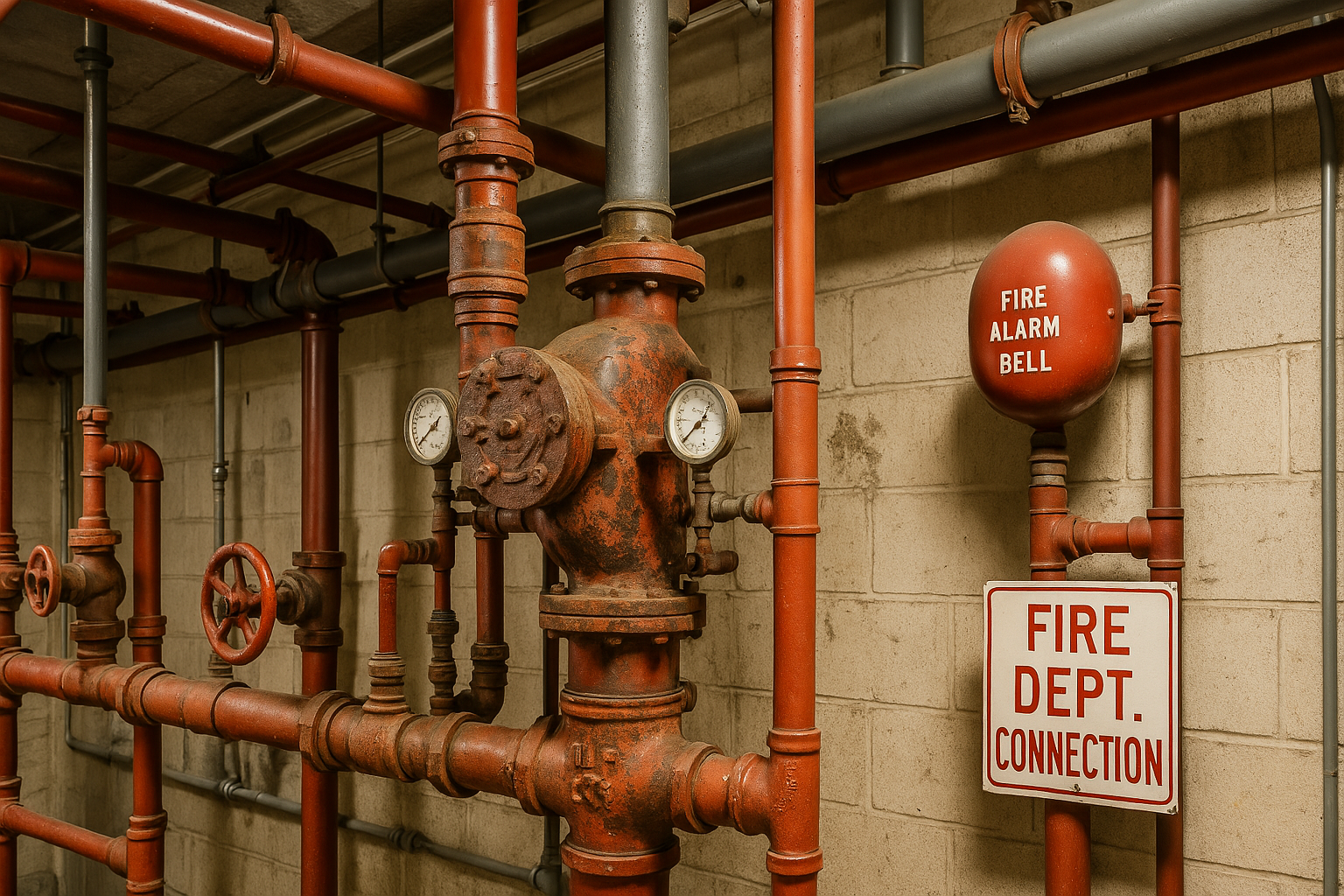
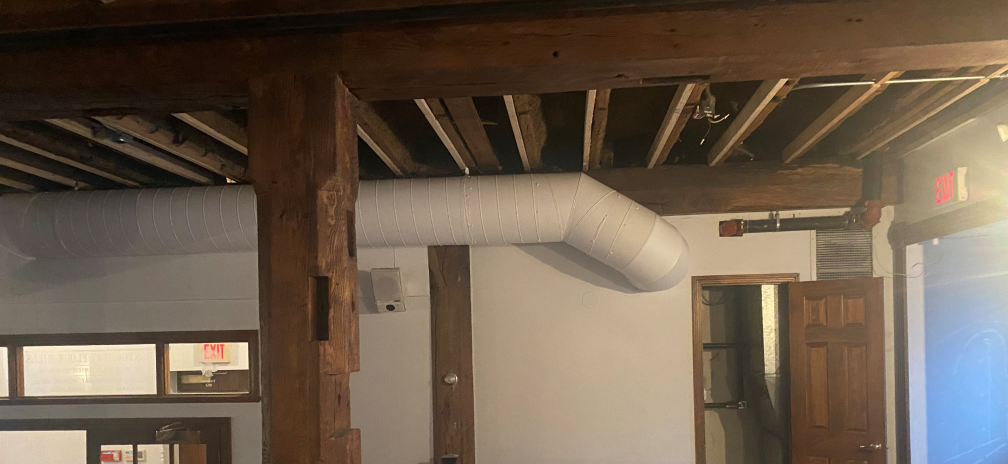
The installation process is the most critical phase of retrofitting a sprinkler system, as it requires careful planning and execution to work within the existing structure. Here's a step-by-step guide to the retrofitting process:
- Planning and Design: Identify the existing sprinkler system, assess its condition, and design new components that will integrate seamlessly with the existing system.
- Pipe Selection: Choose the correct pipe materials and sizes for the retrofitting process.
- Installation: Hire a qualified contractor with experience in sprinkler system installations and retrofitting.
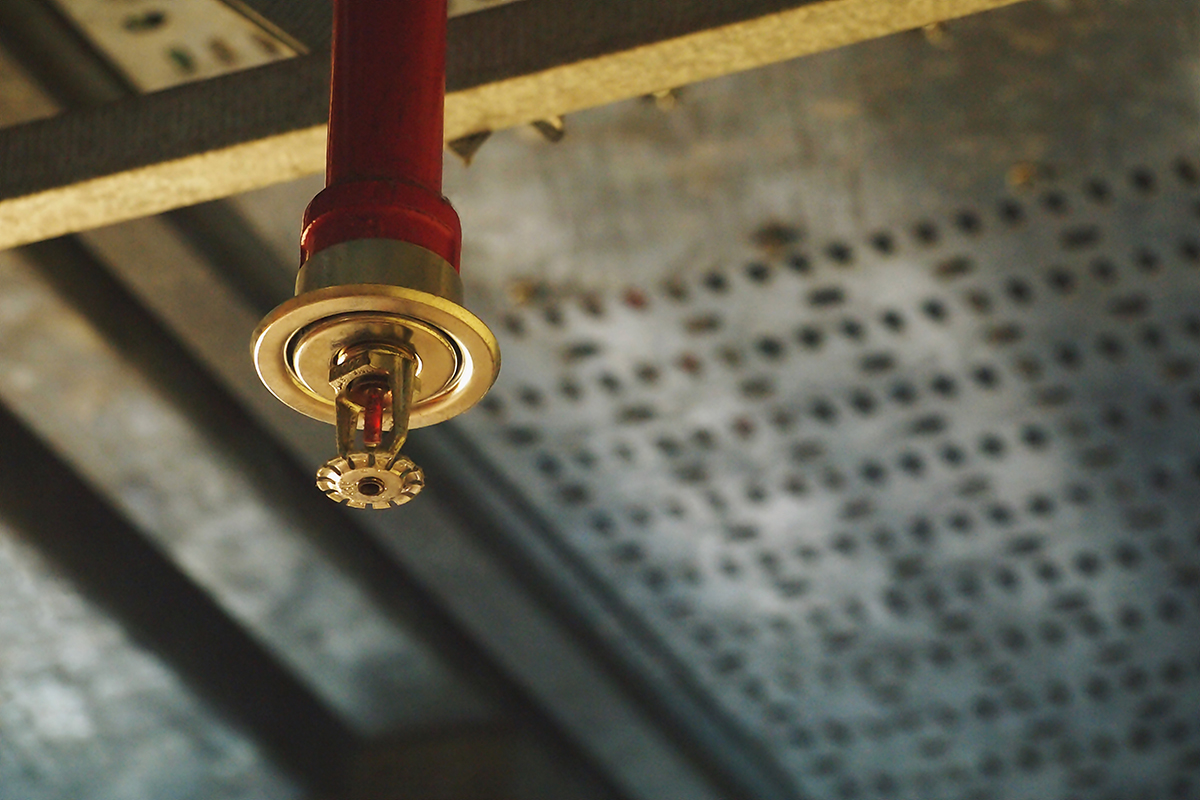
- Testing and Commissioning: Install new sprinklers, and test the system to ensure it meets the required standards.
- Final Inspection and Certificate: Obtain a certificate of completion, indicating that the new system meets local codes and standards.