Resin for 3D Printing of Small Objects: A Comprehensive Guide
When it comes to 3D printing, the choice of material can significantly impact the quality and accuracy of the final object. In this article, we will delve into the world of resin for 3D printing of small objects, exploring its properties, applications, and the best practices for achieving optimal results.
The Basics of Resin 3D Printing
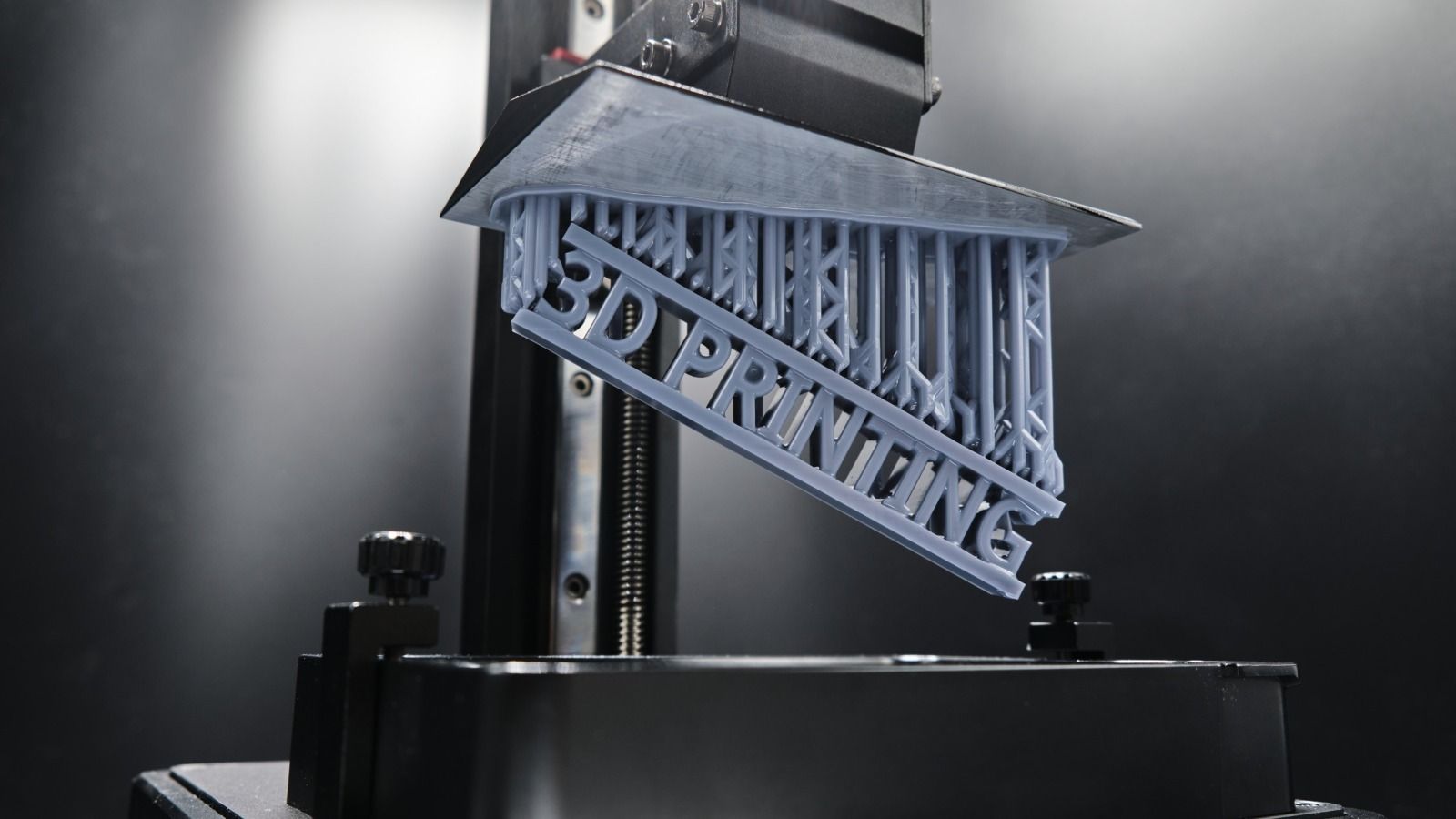
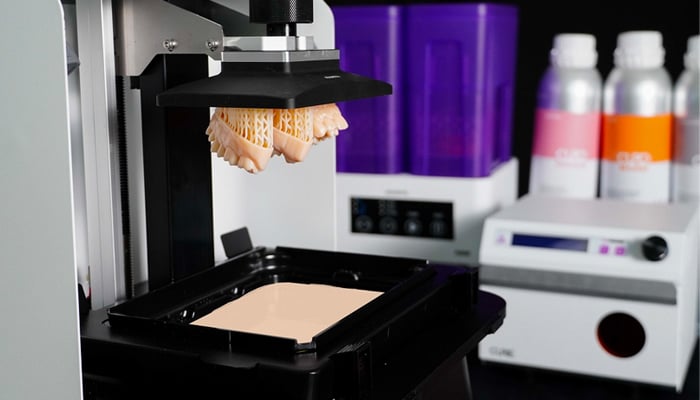
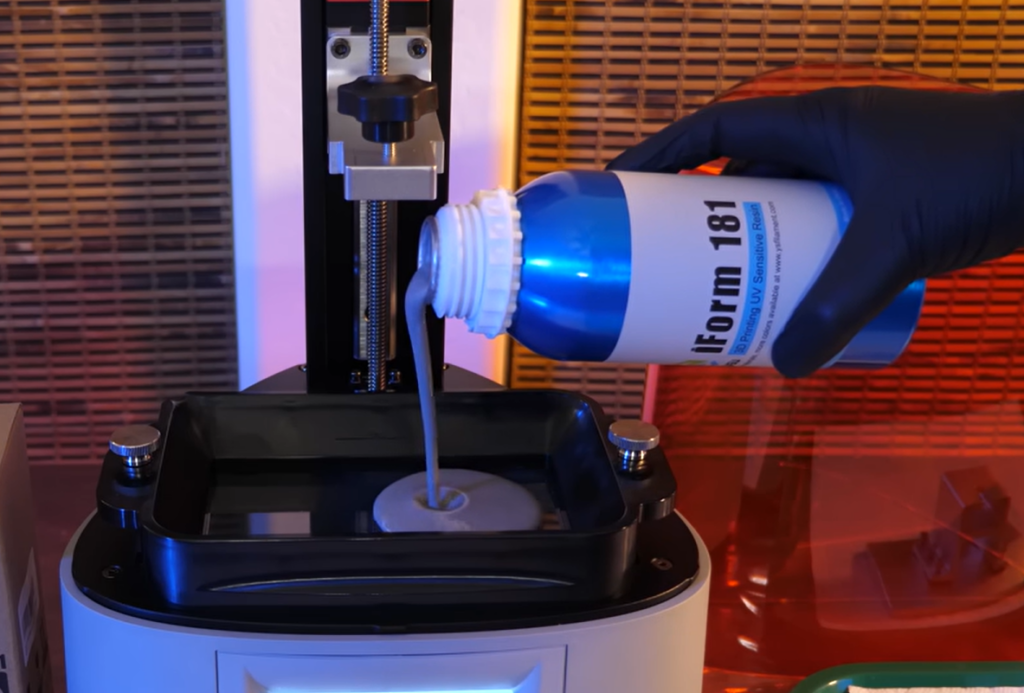
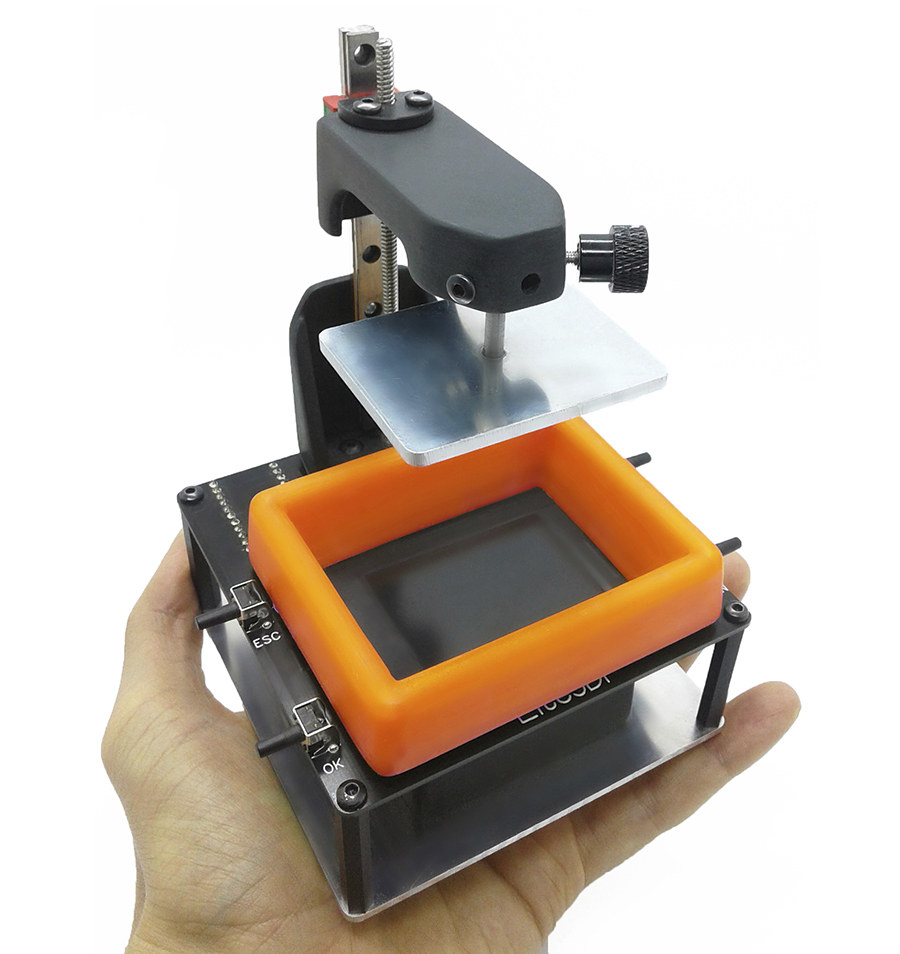
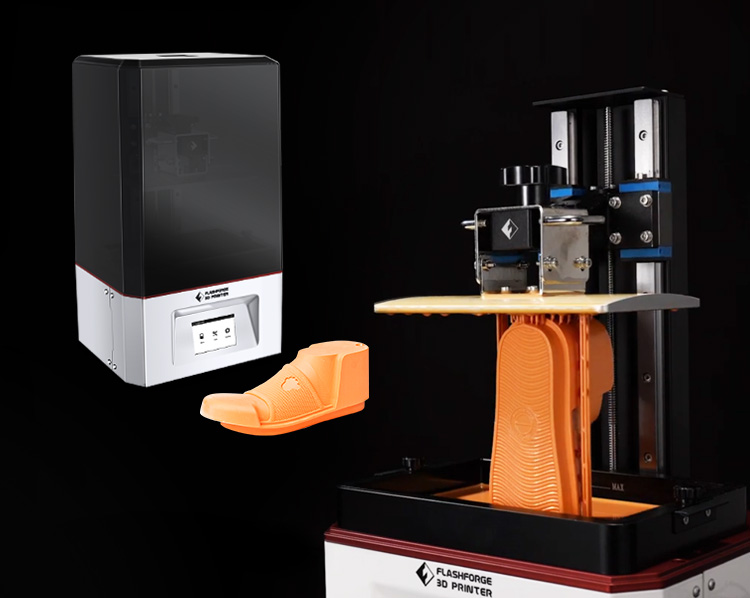
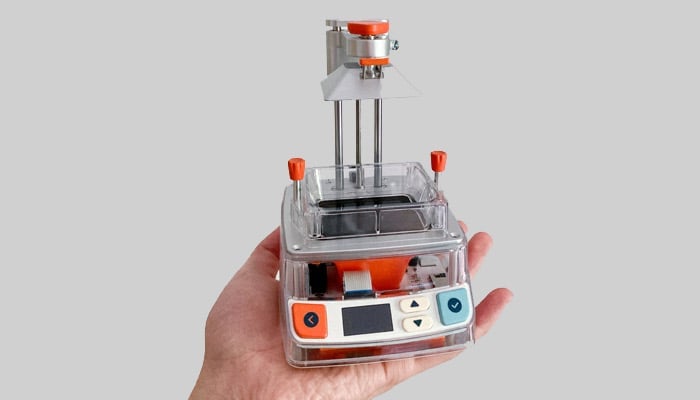
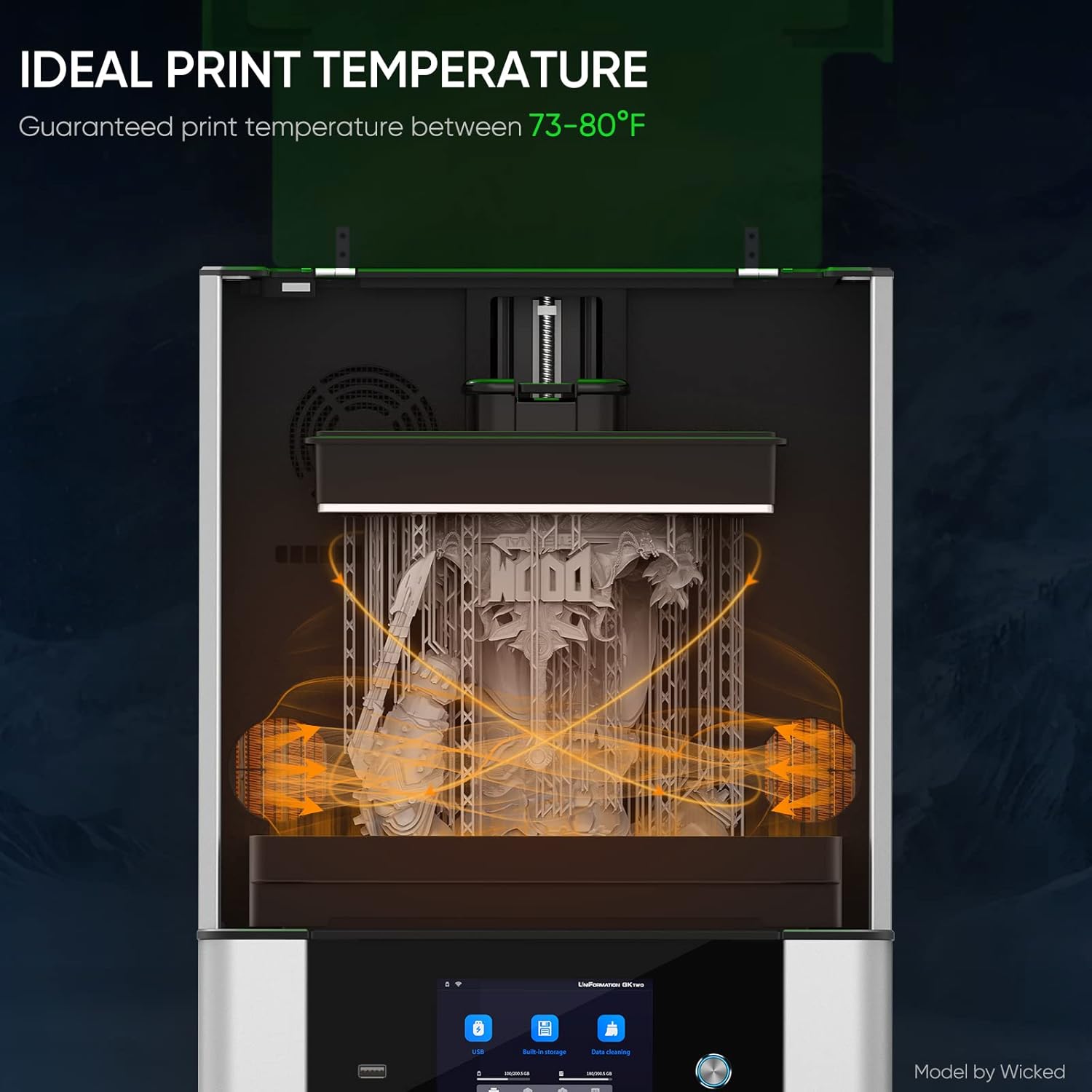
Resin is a liquid photopolymer that cures under UV light, making it a popular choice for 3D printing applications, especially when working with small objects. Unlike traditional filament-based 3D printing, resin printing uses a laser or projector to trace each layer, allowing for precise control over the printing process.
Types of Resin for 3D Printing

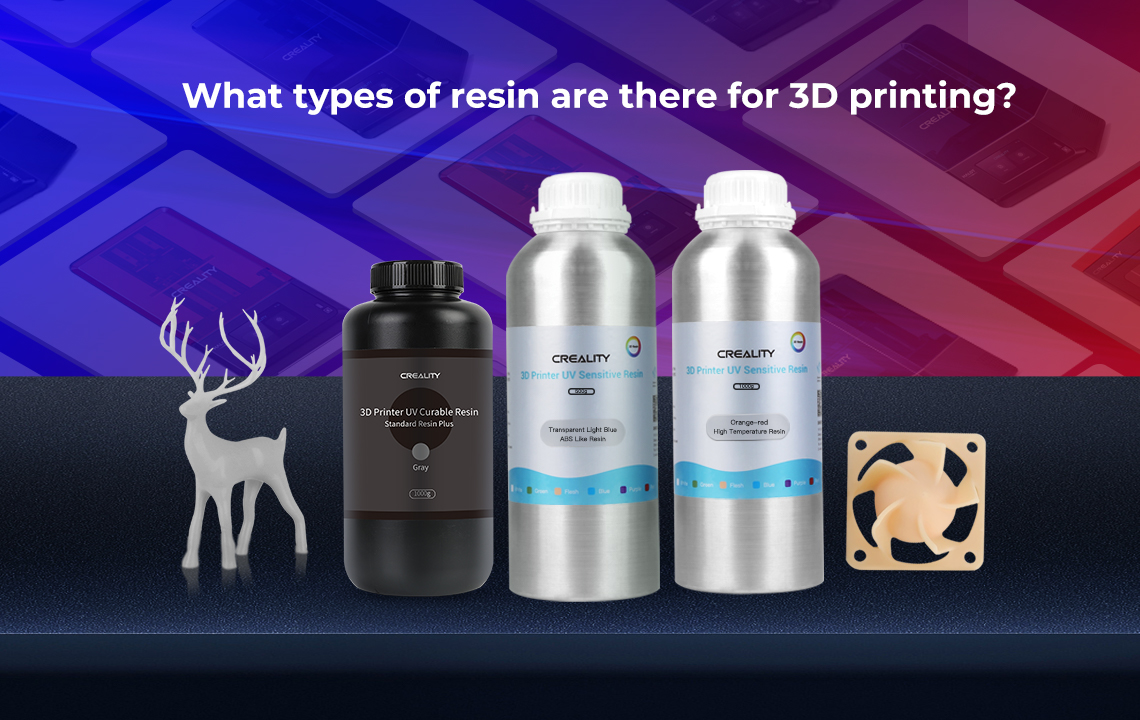
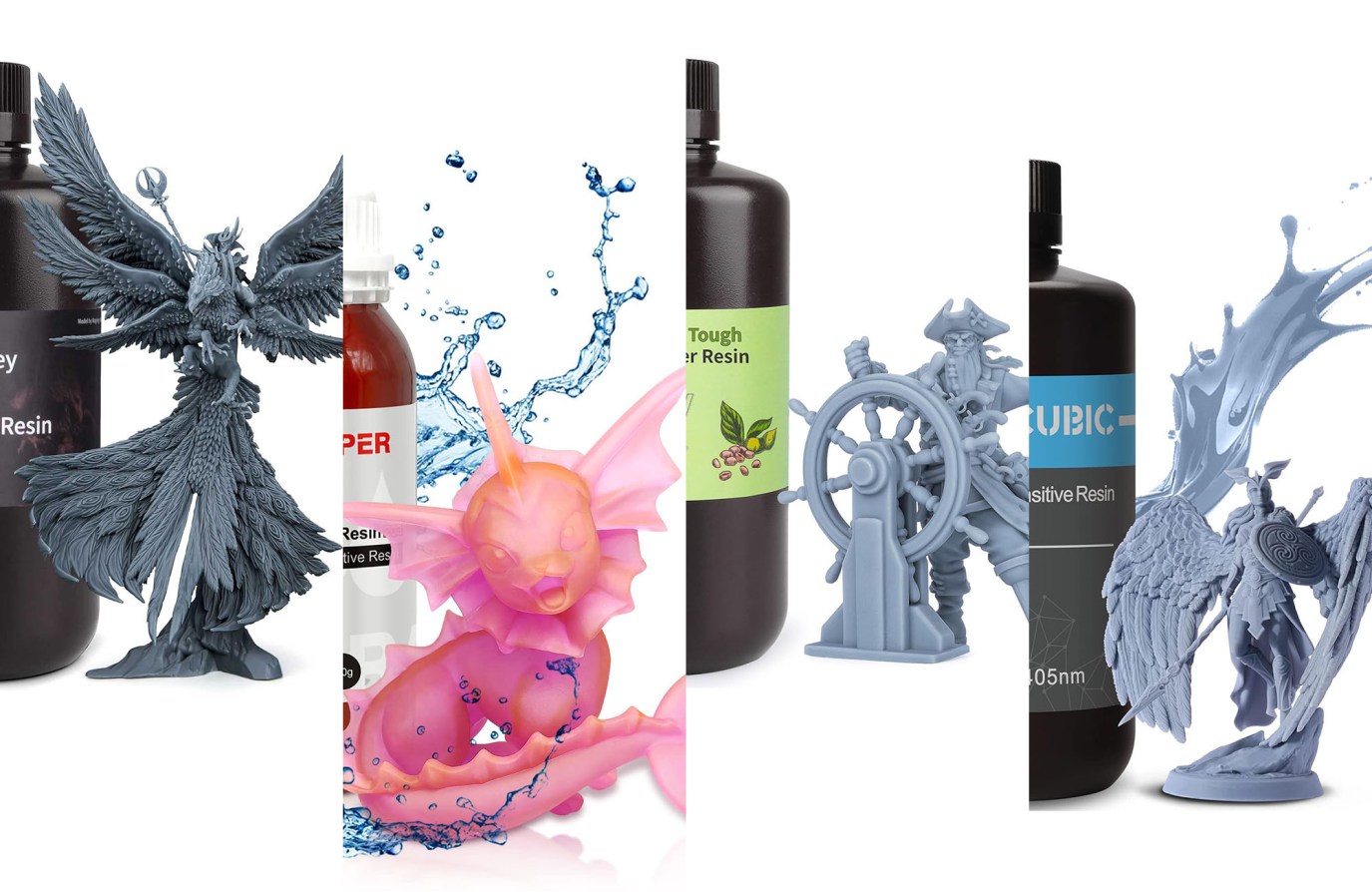
There are various types of resin available for 3D printing, each with its unique properties and applications. Some of the most common types include:
- Standard Resin: A general-purpose resin suitable for most 3D printing applications.
- Flexible Resin: A type of resin that allows for flexible and rubber-like properties.
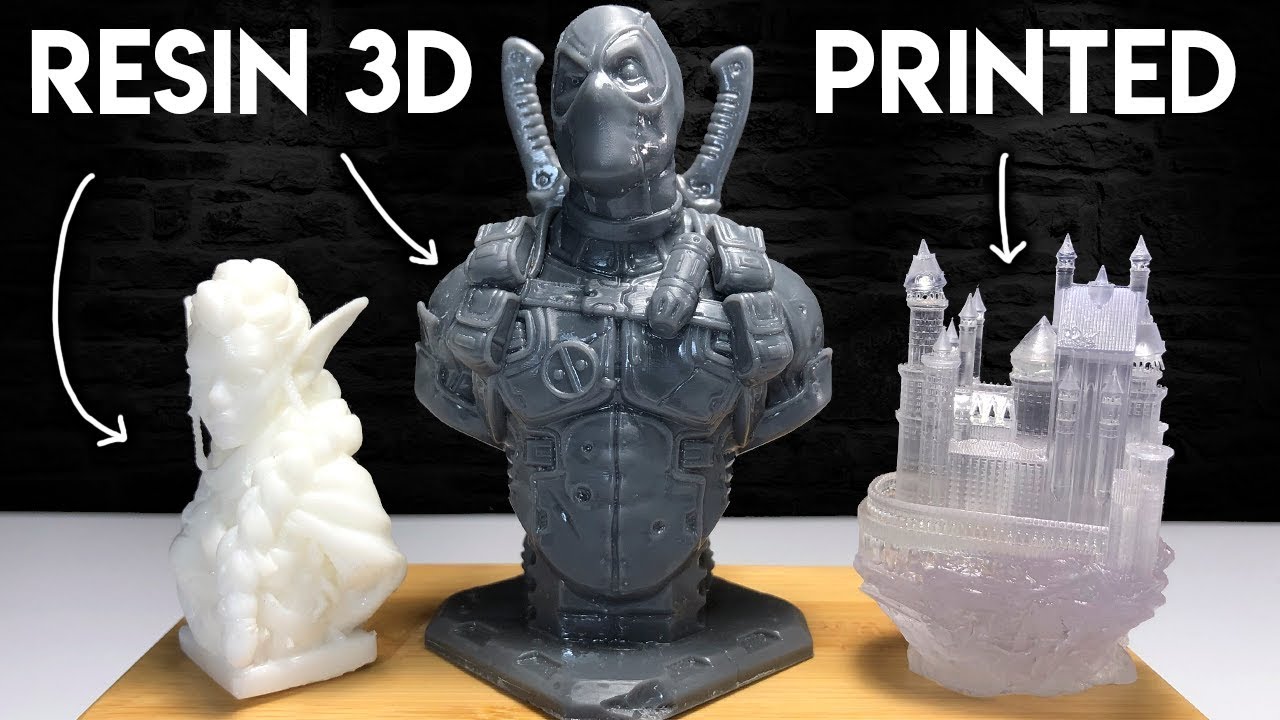
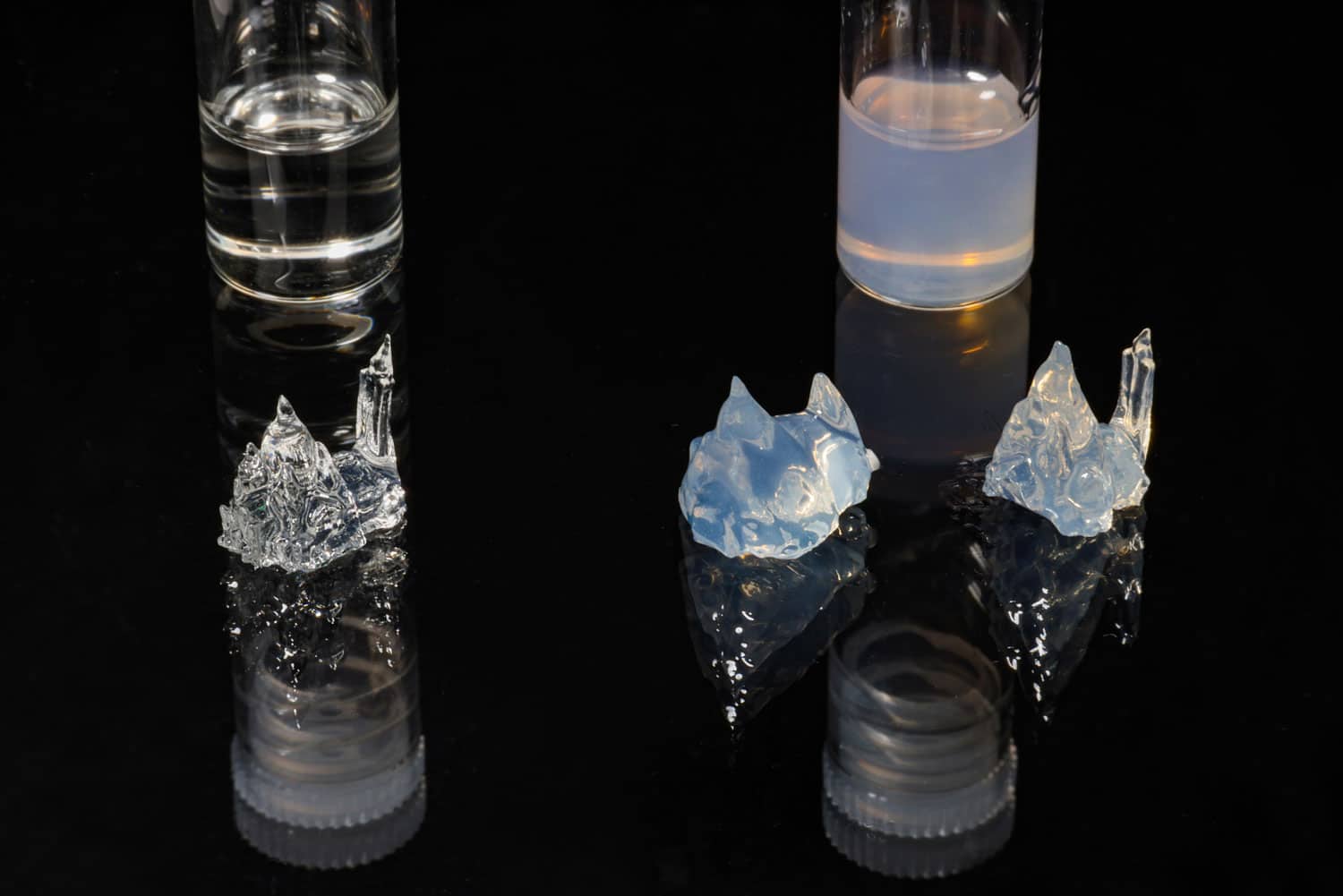
- Transparent Resin: A clear resin ideal for printing transparent or translucent objects.
- Ceramic Resin: A type of resin that mimics the properties of ceramic materials.
Choosing the Right Resin for Small Objects
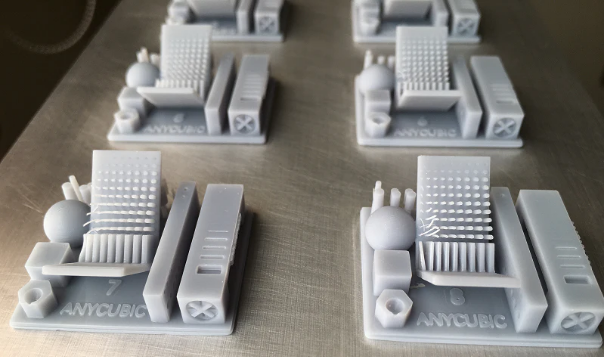
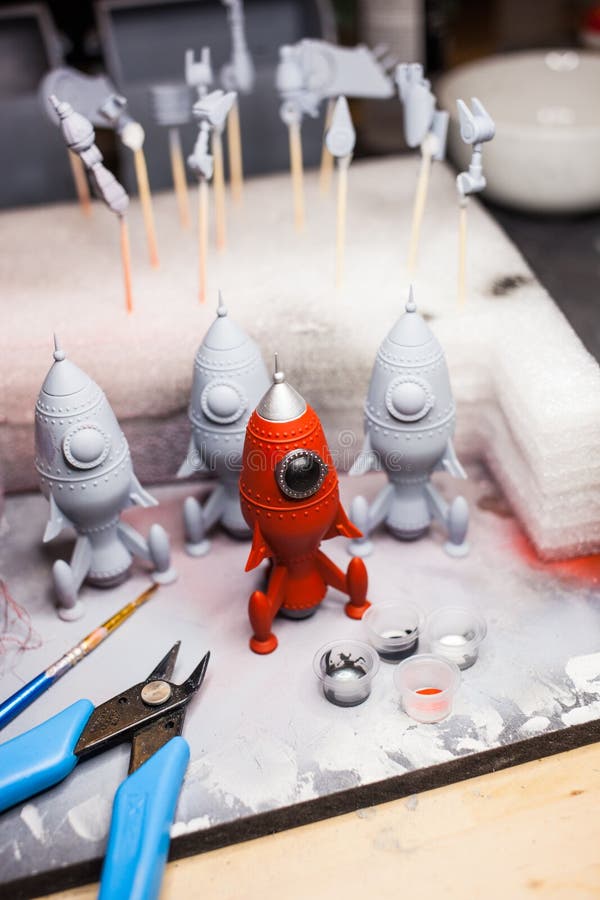
When working with small objects, it's essential to choose a resin that can produce high-quality prints with fine details. Look for a resin that is specifically designed for SLA/DLP printing, as these processes produce the most accurate and detailed prints.