GLP-1 and Vitamin D Deficiency Diet Plan: A Comprehensive Guide
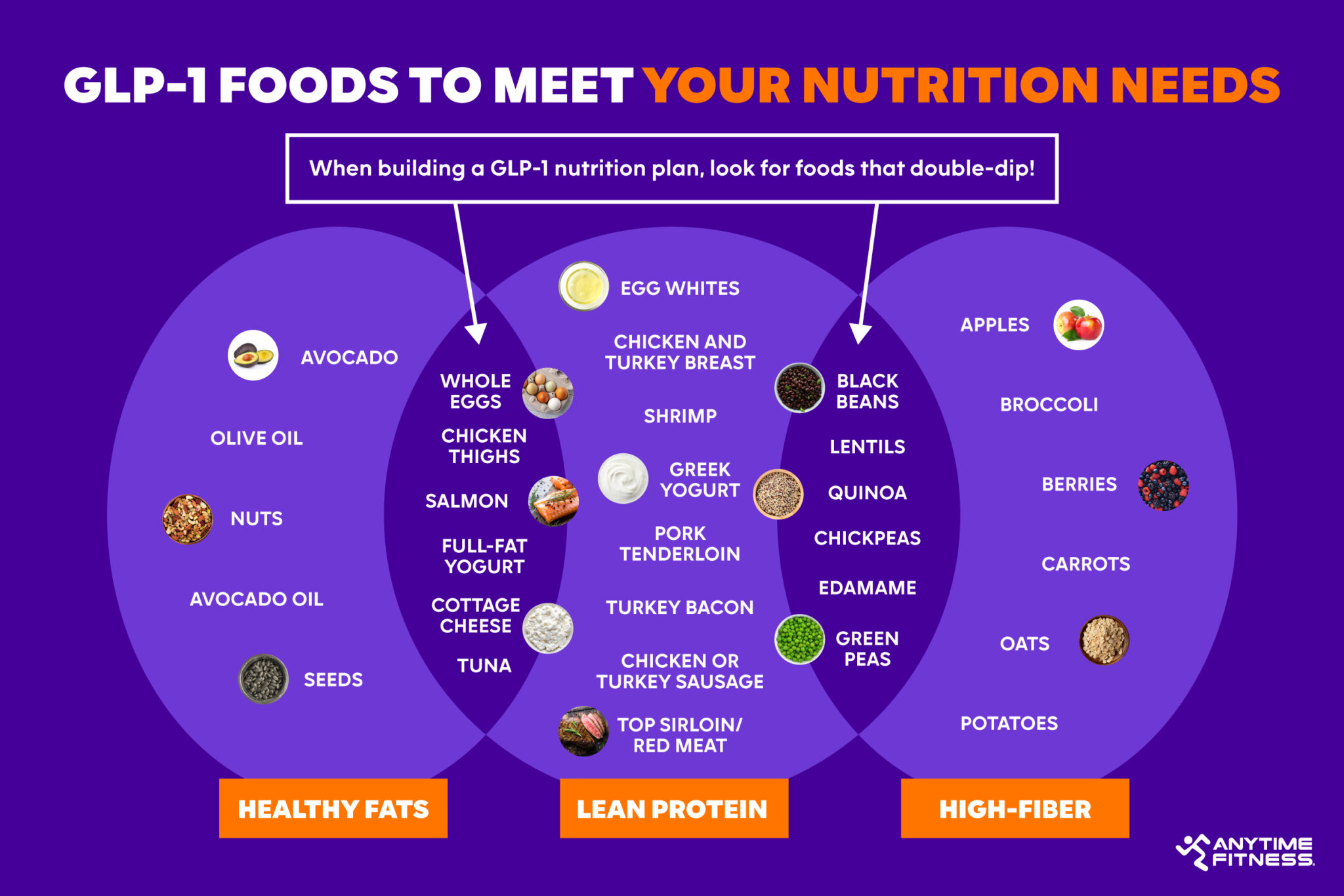
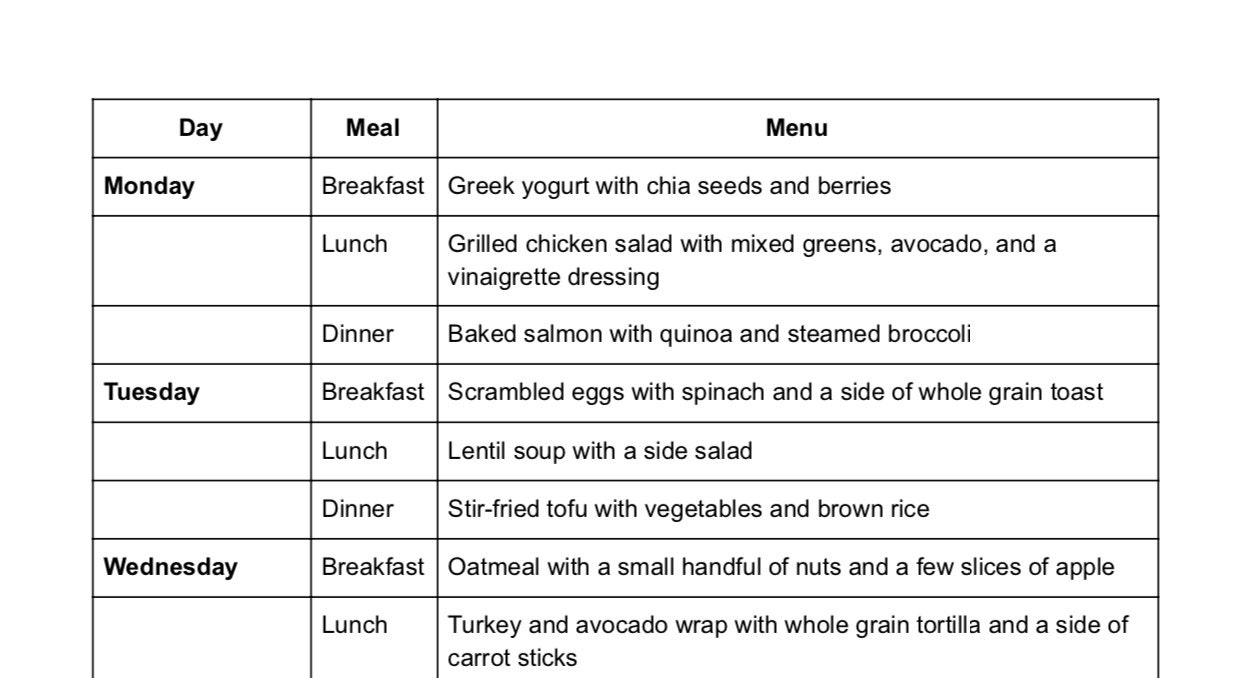
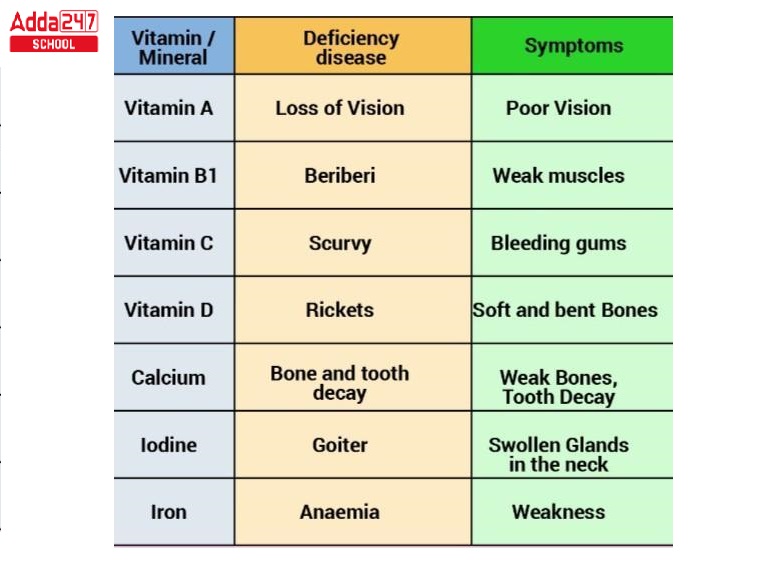
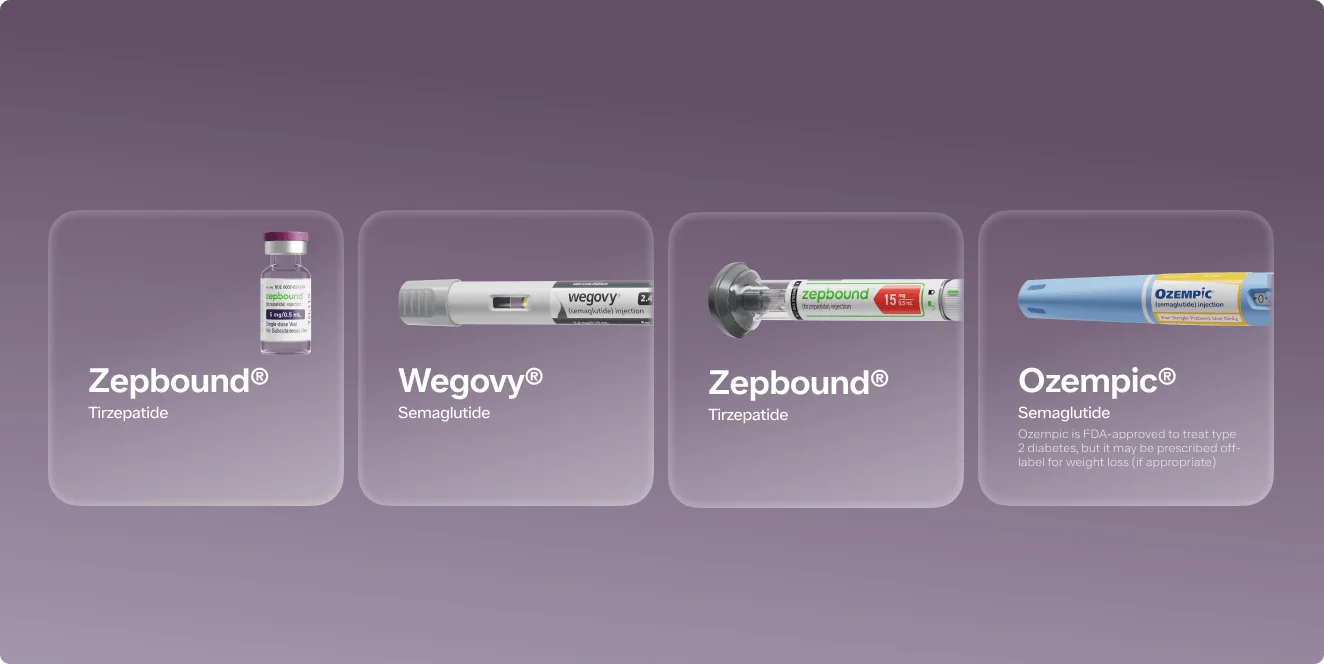
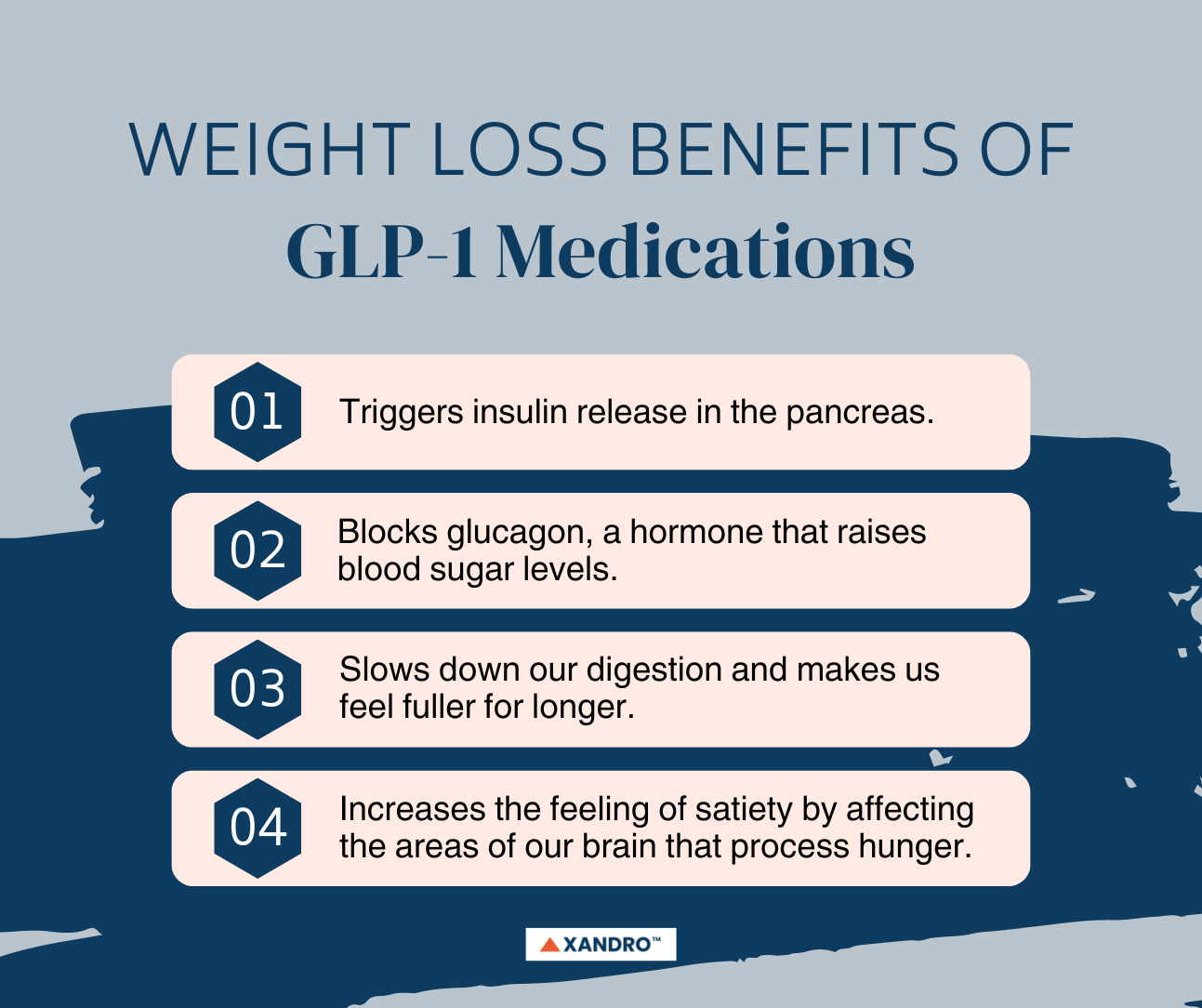
GLP-1 (Glucagon-Like Peptide-1) medications are widely used for weight loss and diabetes management, but they can lead to vitamin or mineral deficiencies if not managed properly. Vitamin D deficiency is the most common deficiency linked to GLP-1 use, affecting approximately 13% of patients within one year. In this article, we will discuss the importance of a balanced diet plan for individuals taking GLP-1 medications, with a focus on preventing vitamin D deficiency and other nutritional gaps.
Why is a Balanced Diet Plan Important for GLP-1 Users?
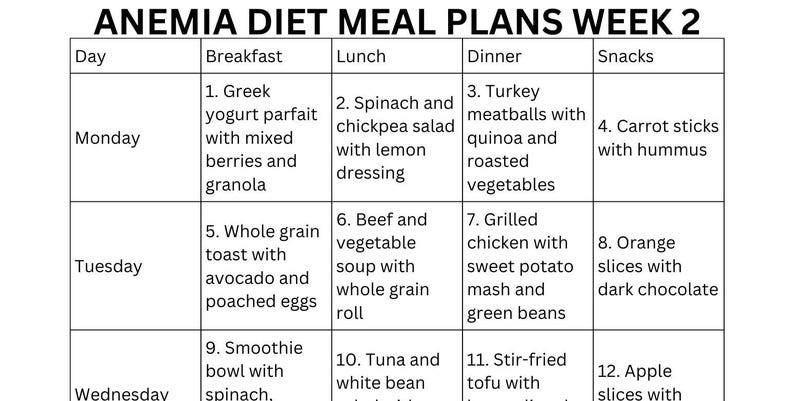
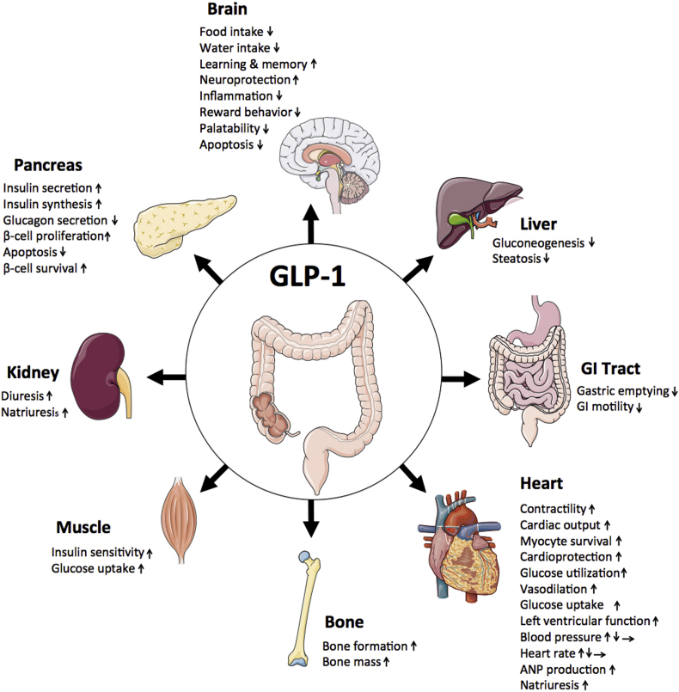
GLP-1 medications can reduce food intake by up to 20-30%, increasing the risk of protein, vitamin B12, and iron deficiencies. Delayed gastric emptying from GLP-1 drugs may impair the absorption of fat-soluble vitamins A, D, E, and K. Protein supplementation is critical as rapid weight loss can lead to muscle mass loss of 25-30% of total weight lost. Regular monitoring every 3-6 months helps to identify potential nutritional deficiencies early on.

The Importance of Vitamin D for GLP-1 Users
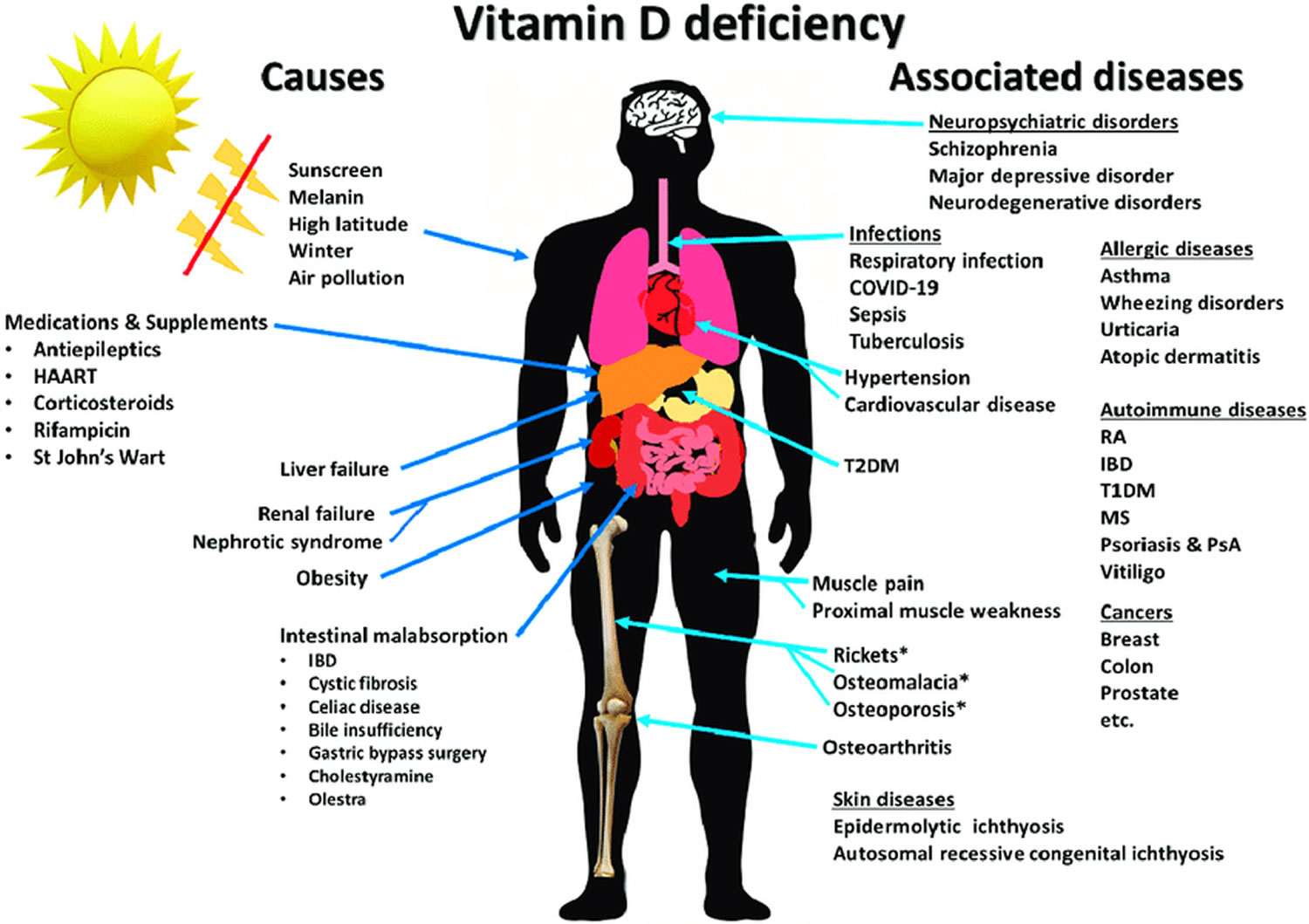
Vitamin D is essential for muscle function, calcium absorption, and bone health. A 2023 retrospective analysis of over 461,000 GLP-1 users found that 7.5% developed vitamin D deficiency within six months. Vitamin D deficiency can lead to muscle weakness, fatigue, and increased risk of osteoporosis.