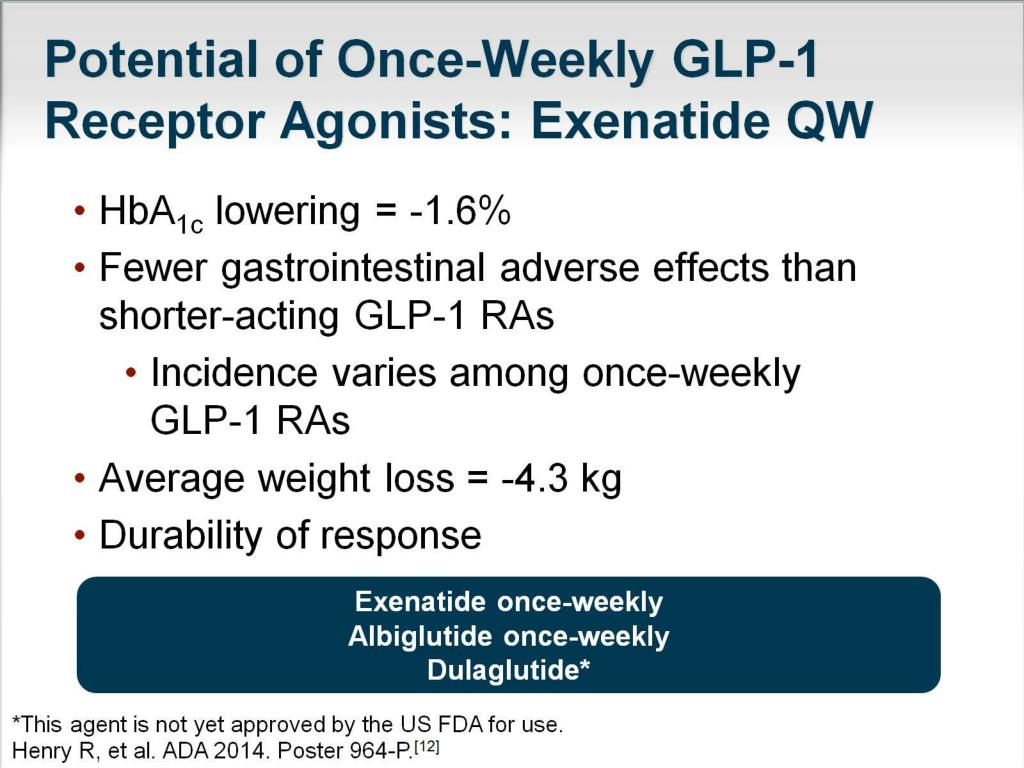
Unlocking the Power of Combination Therapy: GLP-1 Receptor Agonist Combination Therapy
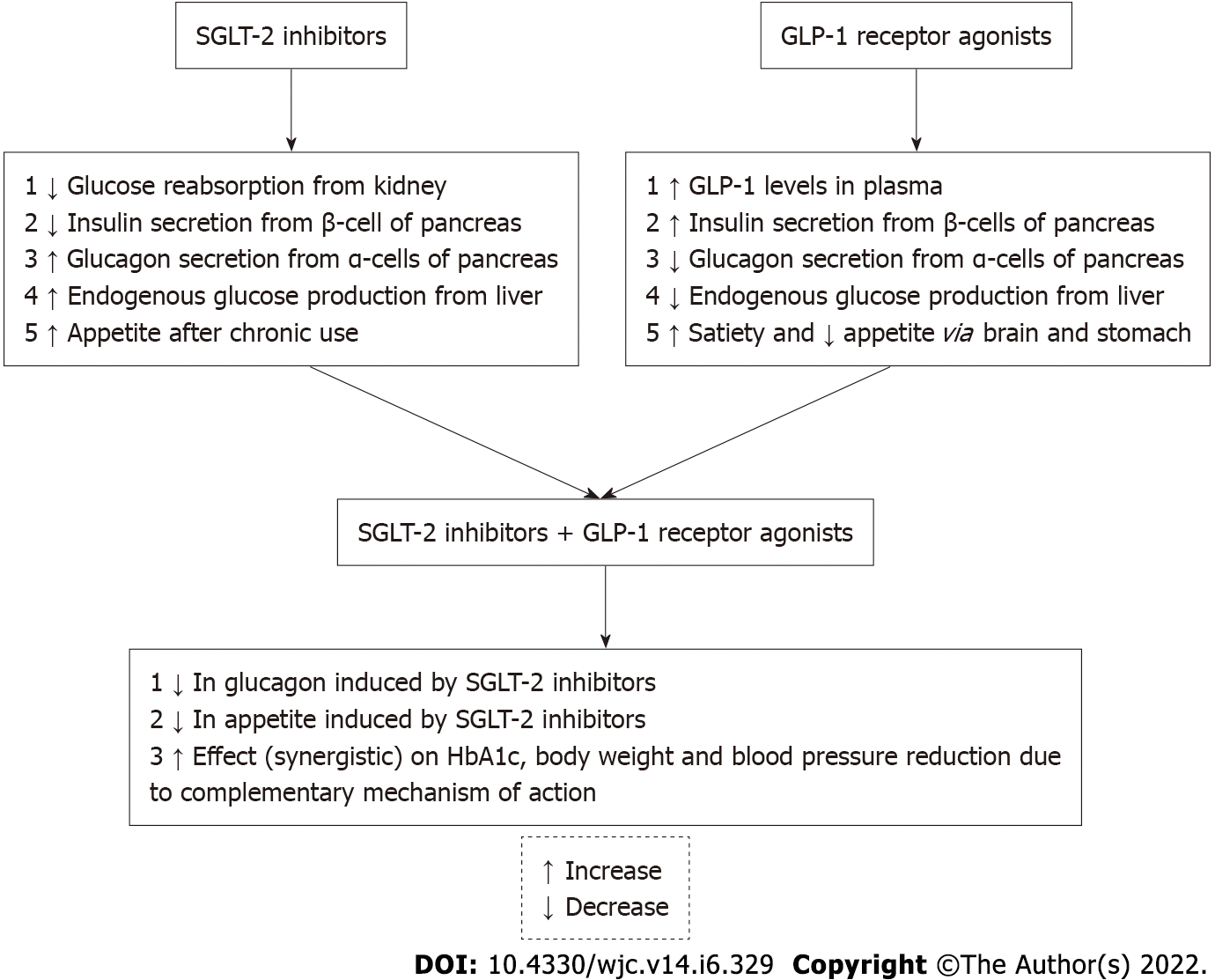
Combination therapy with glucagon-like peptide-1 (GLP-1) receptor agonists and sodium-glucose cotransporter 2 (SGLT-2) inhibitors has emerged as a strategic approach for glycemic control, weight management, and cardiovascular risk modification in type 2 diabetes (T2D). In this article, we will delve into the world of GLP-1 receptor agonist combination therapy, exploring its efficacy, safety, and potential benefits.
What is GLP-1 Receptor Agonist Combination Therapy?
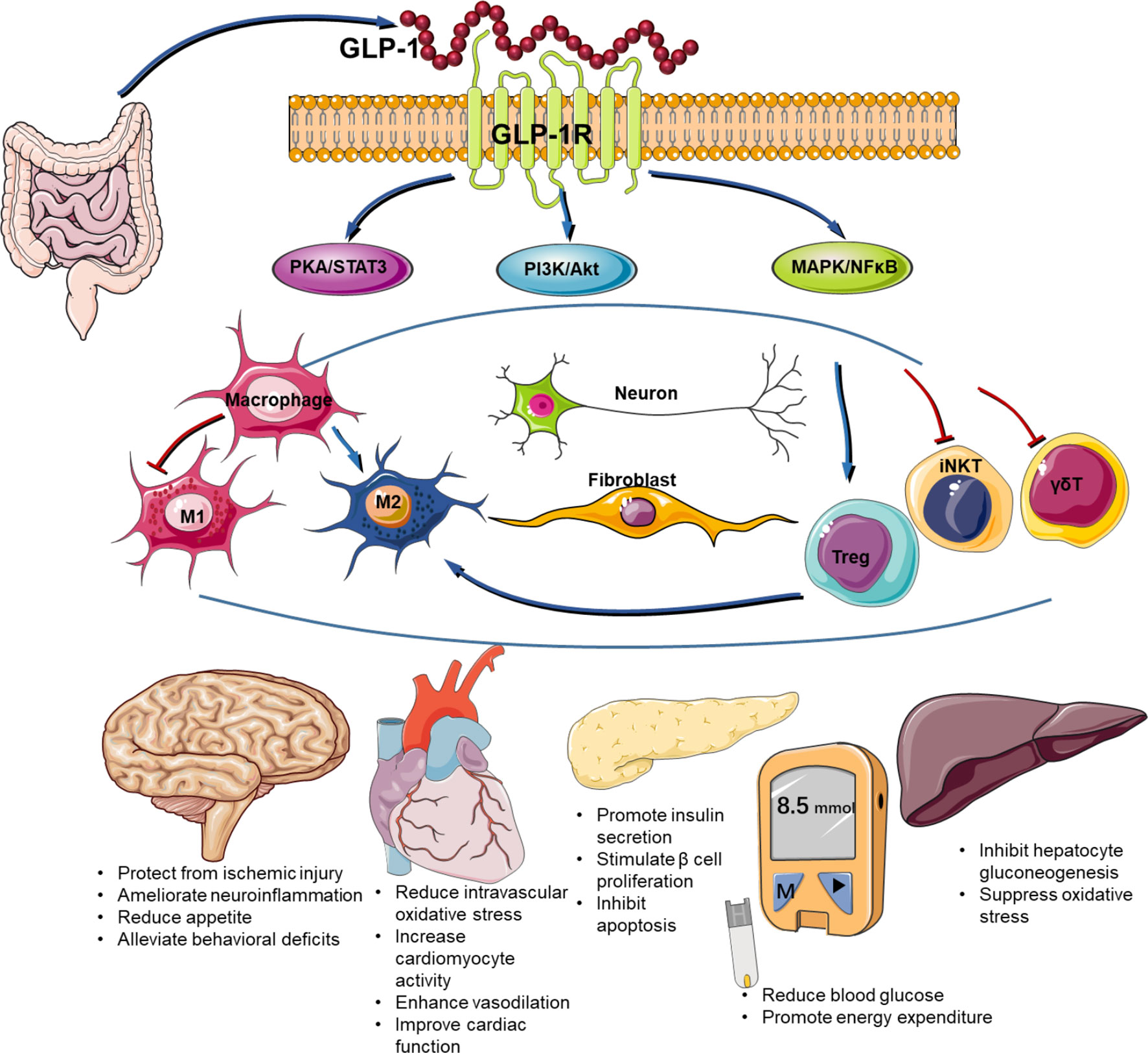
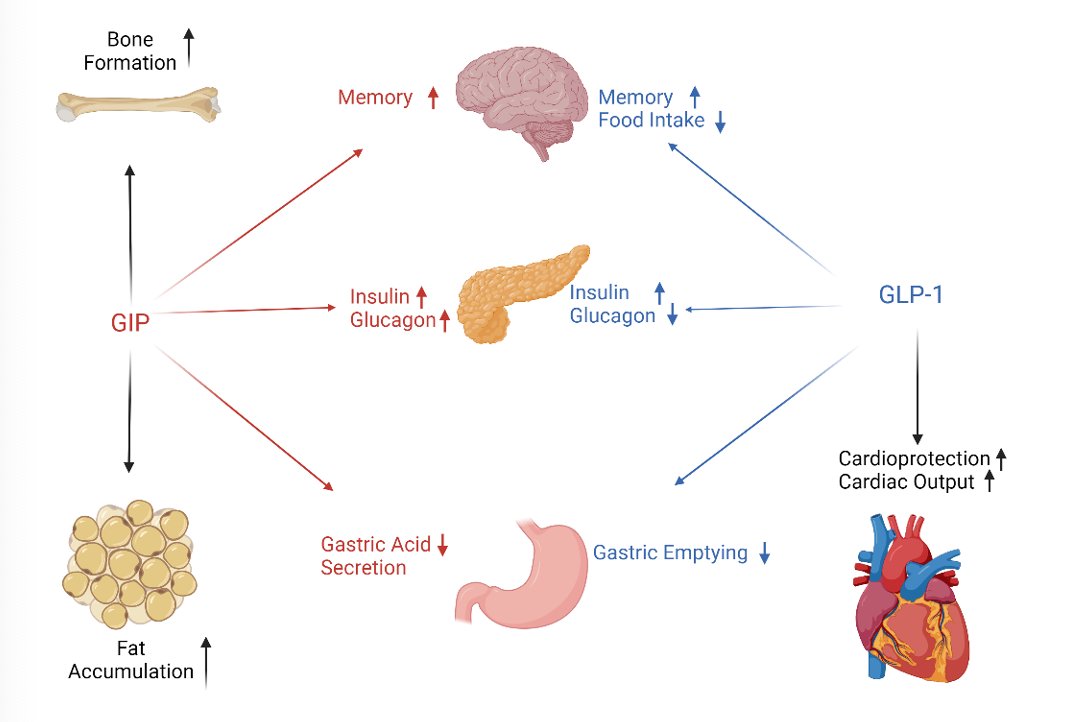
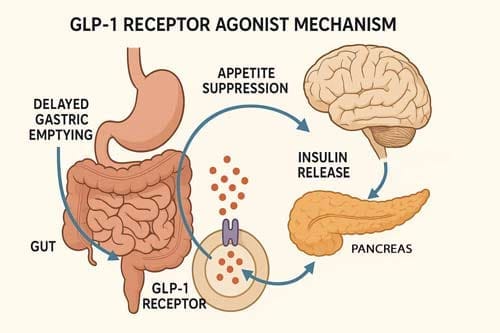
GLP-1 receptor agonists are a class of medications that activate the GLP-1 receptor, leading to reduced blood sugar, reduced appetite, and reduced energy intake. When combined with SGLT-2 inhibitors, GLP-1 receptor agonists can provide synergistic benefits across multiple therapeutic domains, including glycemic control, weight management, and cardiovascular risk reduction.
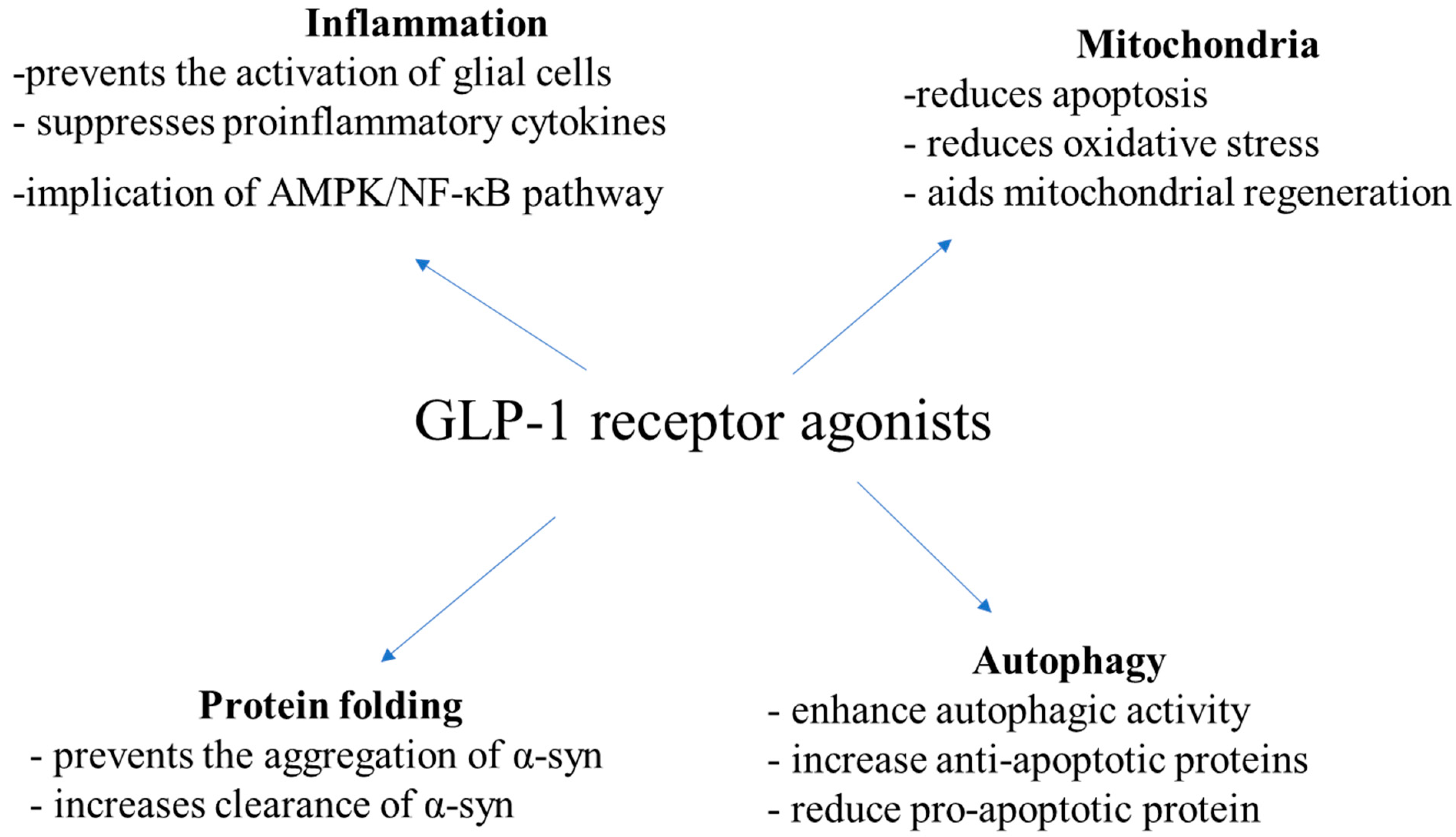
Benefits of GLP-1 Receptor Agonist Combination Therapy
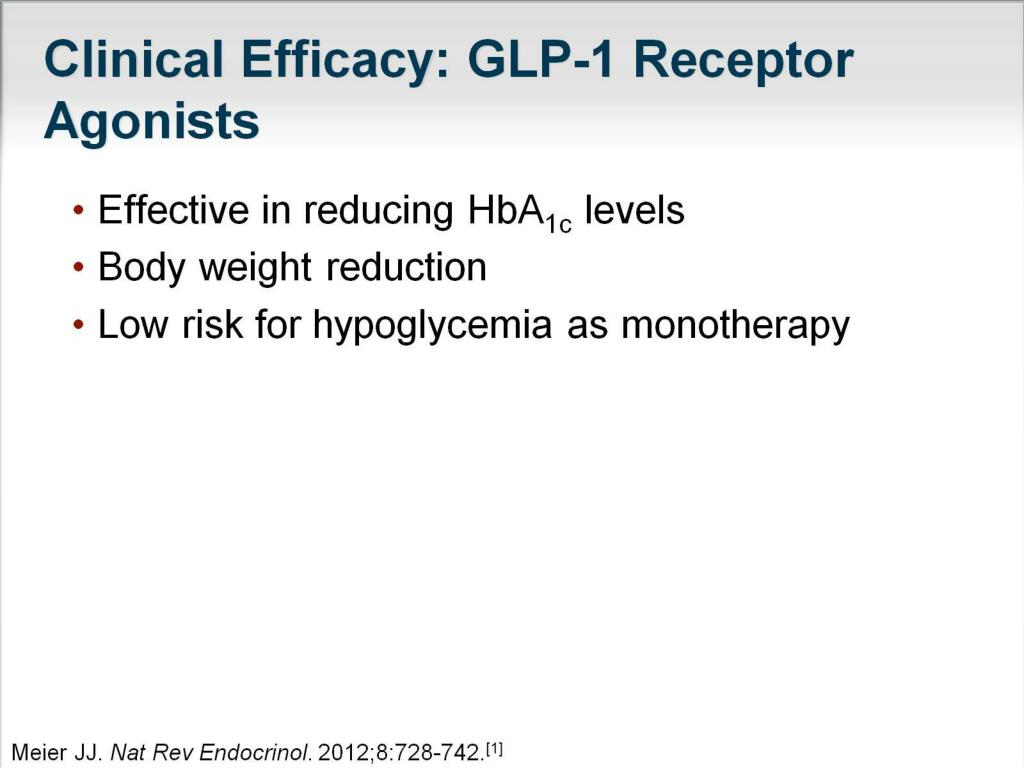
- Glycemic Control: Combination therapy has been shown to improve glycemic control in patients with T2D, reducing HbA1c levels and improving insulin sensitivity.
- Weight Management: GLP-1 receptor agonists have been proven to aid in weight loss, reducing body weight and body mass index (BMI) in patients with T2D.
- Cardiovascular Risk Reduction: Combination therapy has been associated with improved cardiovascular outcomes, including reduced risk of major adverse cardiovascular events (MACE) and serious renal events (SRE).
- Renal Protection: GLP-1 receptor agonists have been shown to reduce renal risk in patients with T2D, including reducing the risk of kidney failure and cardiovascular events.