GLP-1 and Nutrition Advice for Diabetes: A Comprehensive Guide
If you're living with diabetes, you're likely familiar with the term GLP-1 (Glucagon-Like Peptide-1) agonists. These medications have revolutionized the treatment of type 2 diabetes, helping to regulate blood sugar levels, promote weight loss, and reduce appetite. However, when used in conjunction with a balanced diet, GLP-1 therapy can be even more effective. In this article, we'll delve into the world of GLP-1 and nutrition advice for diabetes, providing you with the information you need to maximize the benefits of your treatment.
What are GLP-1 Receptor Agonists?
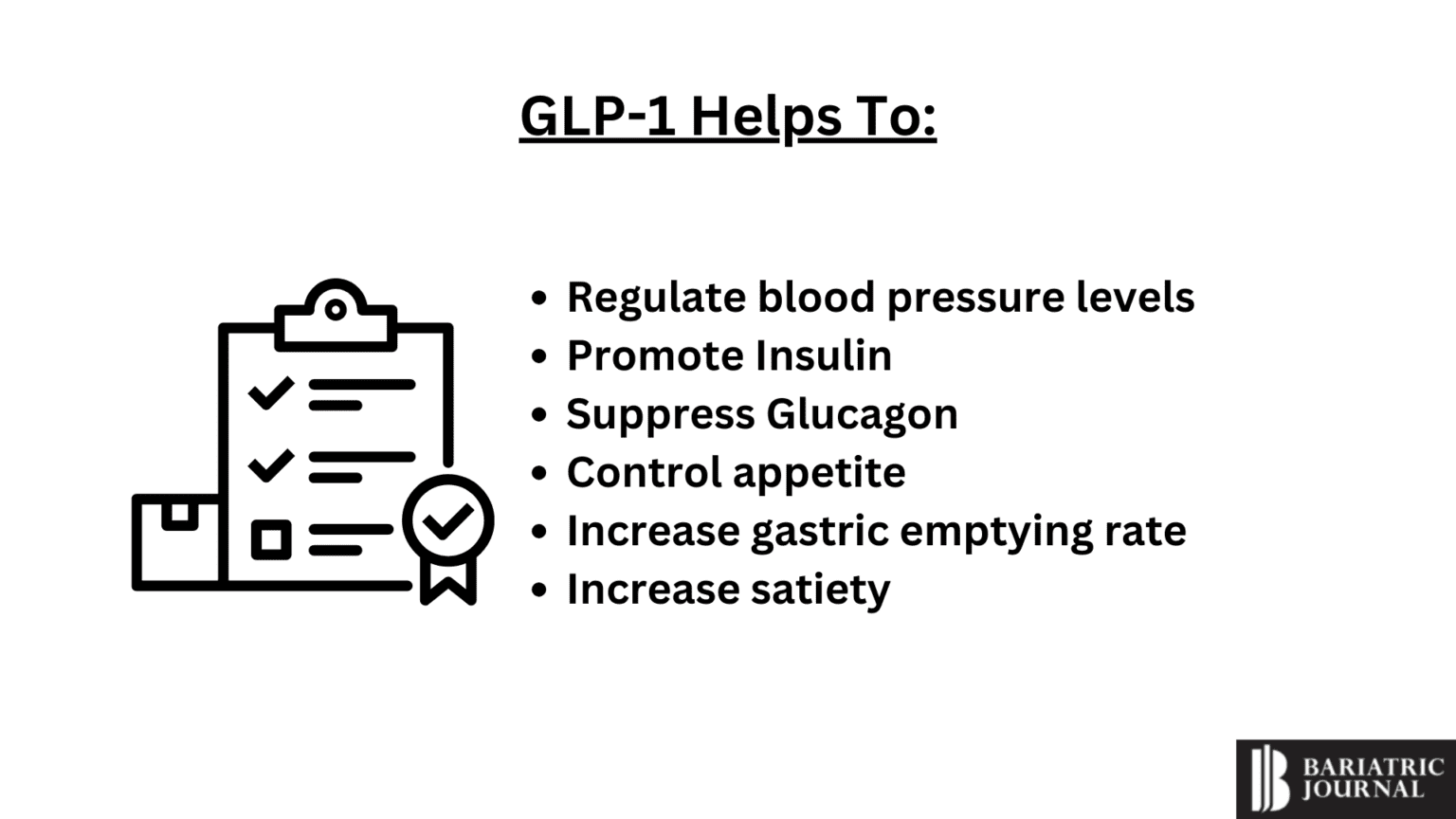
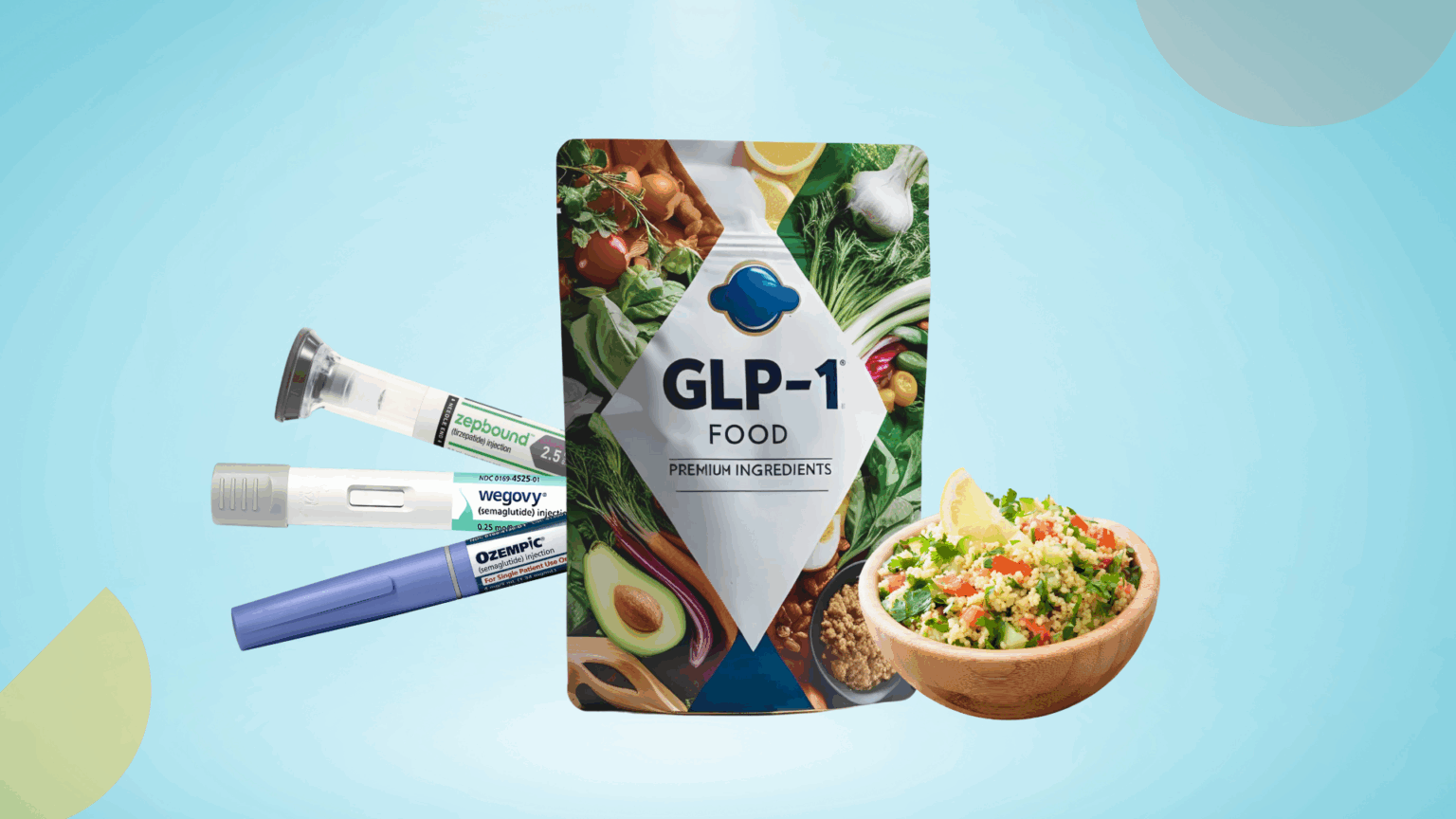
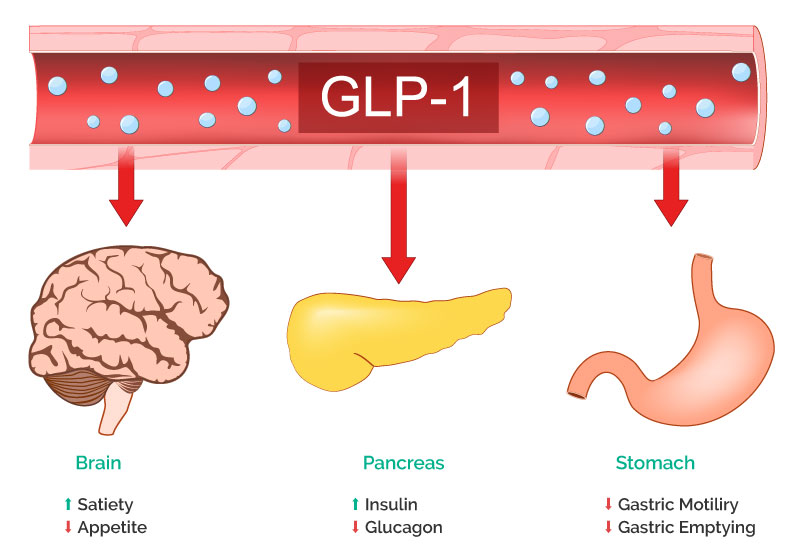
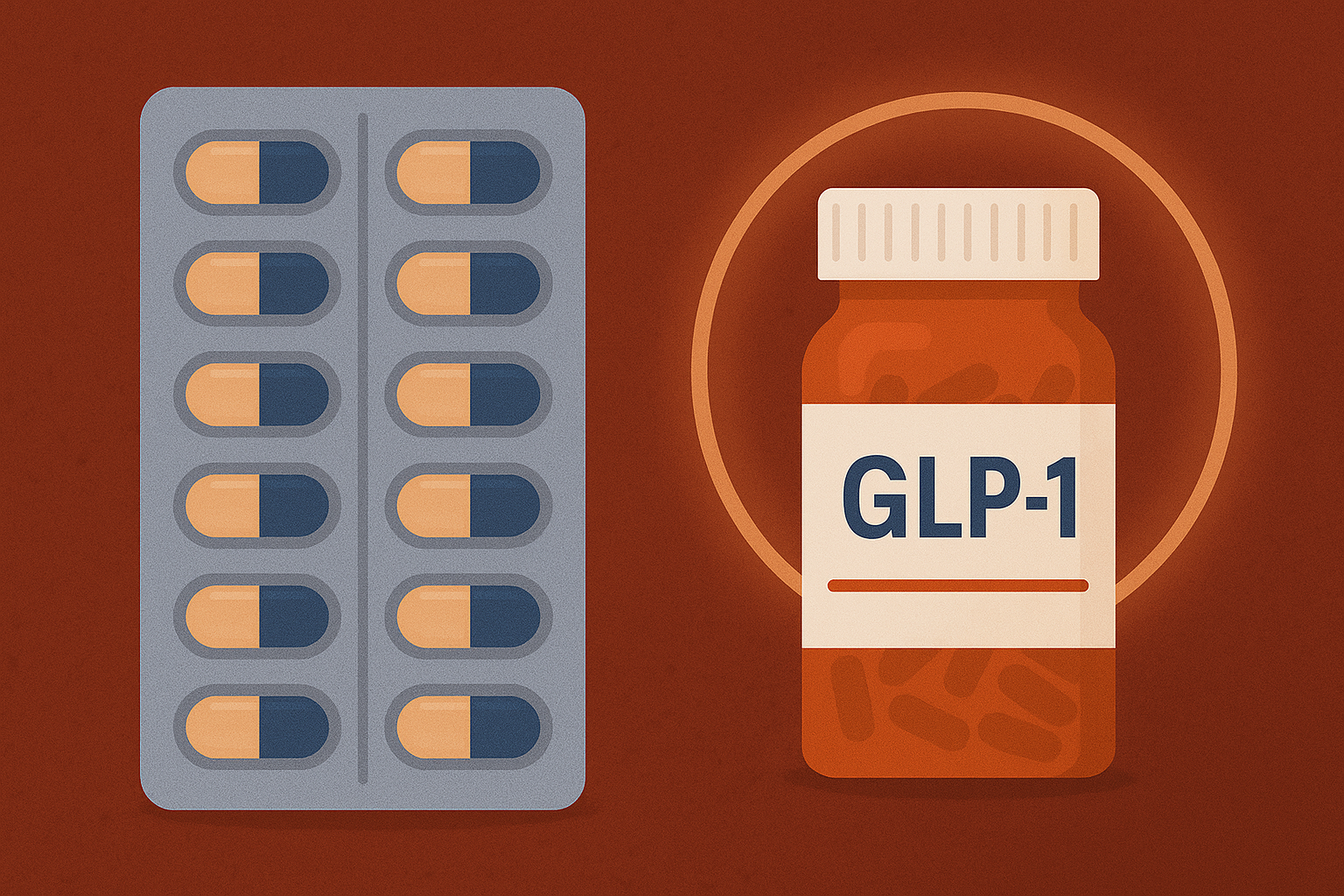
GLP-1 receptor agonists, such as Zepbound, semaglutide (Ozempic, Wegovy), and liraglutide (Saxenda), mimic the natural hormone GLP-1, which is produced in the intestines when you eat. This hormone helps to regulate blood sugar levels by stimulating insulin release, suppressing glucagon production, and slowing gastric emptying. By taking GLP-1 receptor agonists, individuals with diabetes can experience improved blood sugar control, weight loss, and a reduced risk of cardiovascular disease.

Why is Nutrition Important with GLP-1 Therapy?
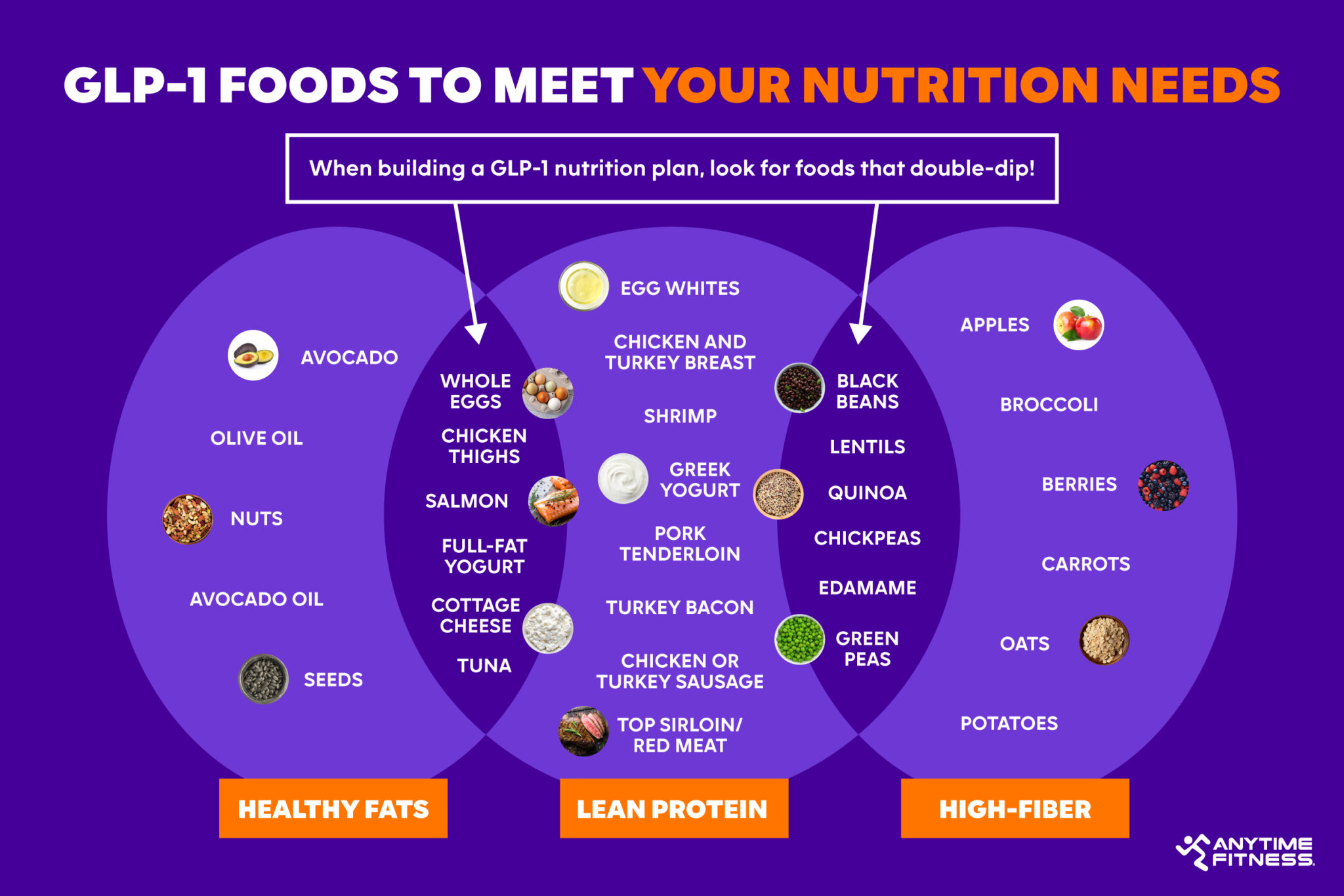
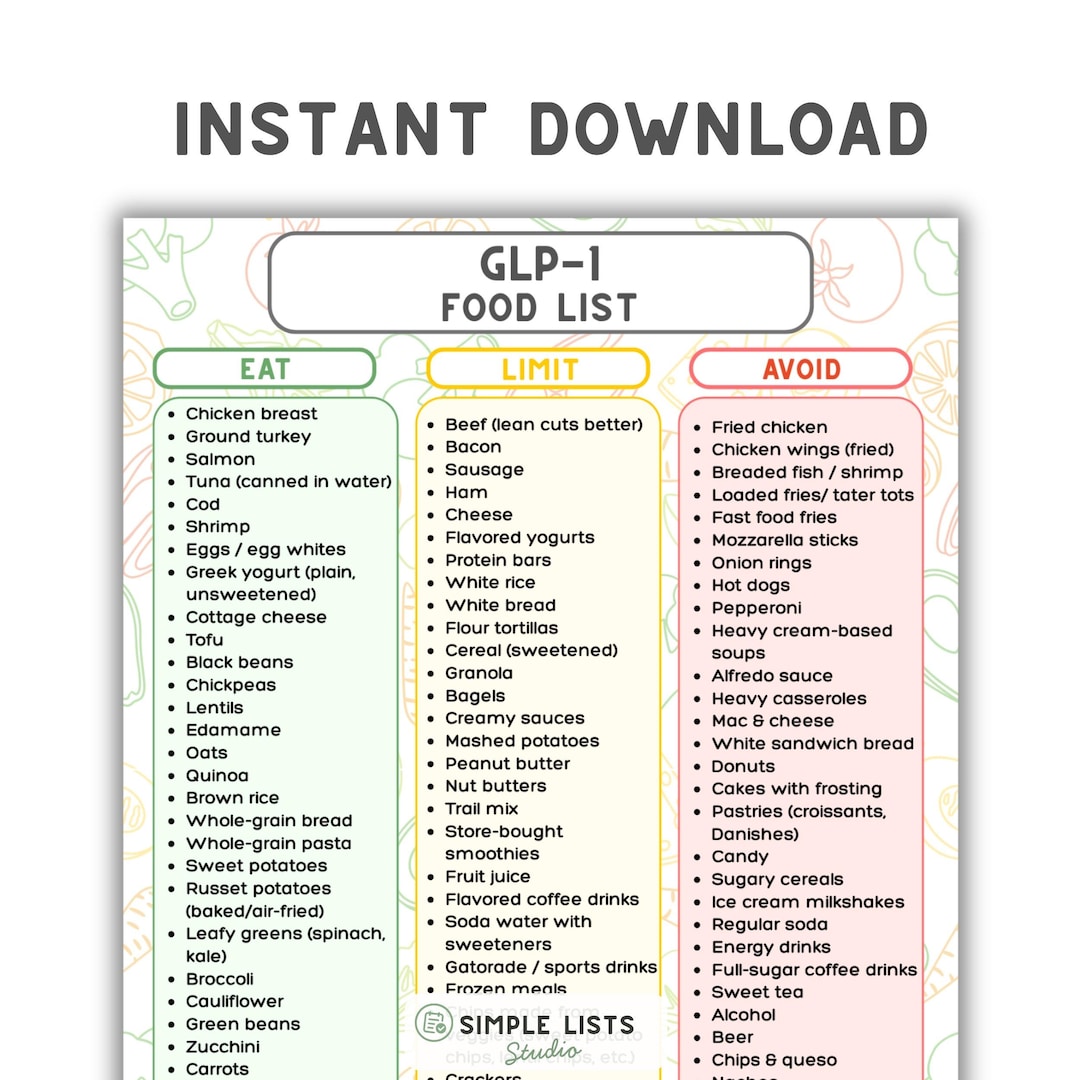
While GLP-1 receptor agonists are effective in regulating blood sugar levels, it's essential to combine them with a healthy, balanced diet to optimize their effectiveness and minimize potential side effects. A nutritious diet can help support weight loss, improve insulin sensitivity, and reduce the risk of complications associated with diabetes. Moreover, a well-planned meal plan can help you manage potential side effects, such as nausea, vomiting, and constipation, that may occur when starting GLP-1 therapy.