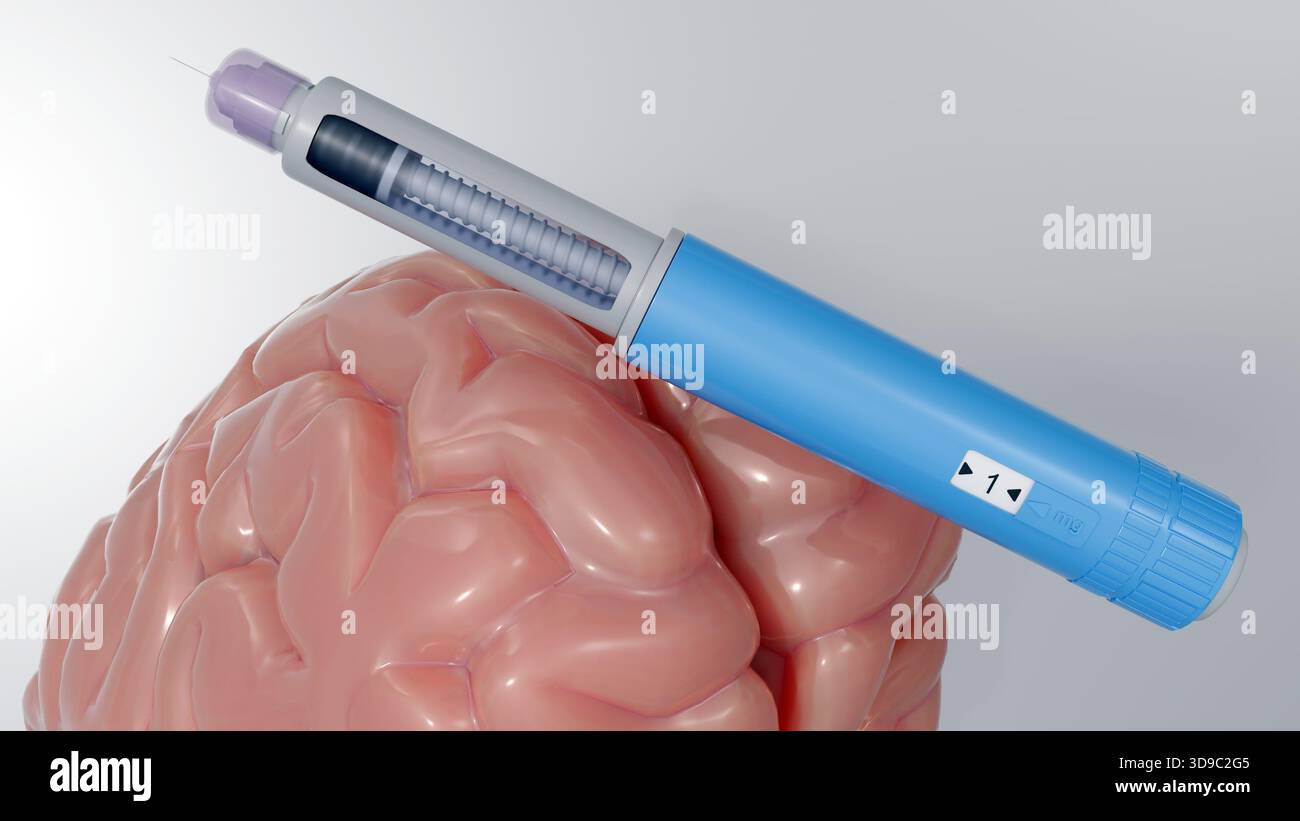
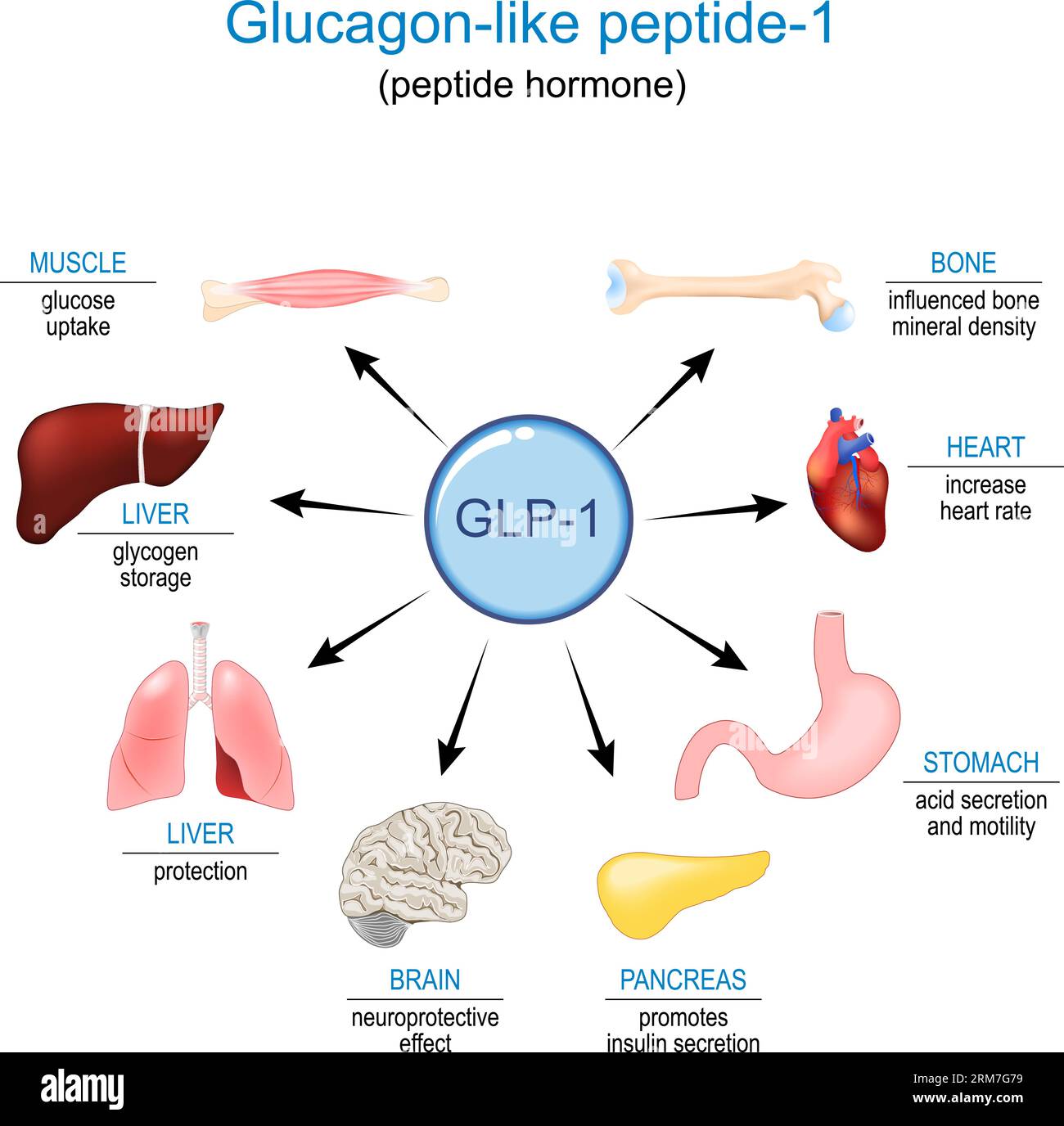
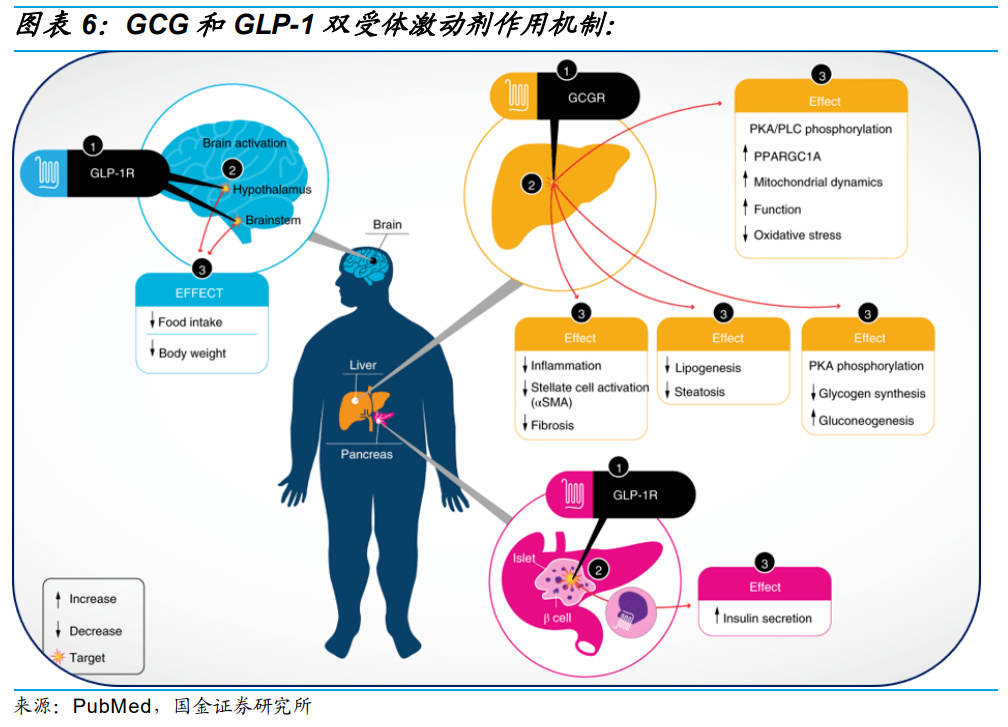
The Psychological Impact of GLP-1: Uncovering the Hidden Effects of Weight-Loss Medications
The widespread use of glucagon-like peptide-1 receptor agonists (GLP-1RAs) has transformed the landscape of obesity treatment, offering a new hope for individuals struggling with excess weight. These medications, originally developed to manage type 2 diabetes, have shown remarkable success in promoting weight loss and improving glycemic control. However, as research continues to unravel the complexities of GLP-1 therapy, concerns are growing about its potential psychological impact on patients.
What Are the Psychological Effects of GLP-1?
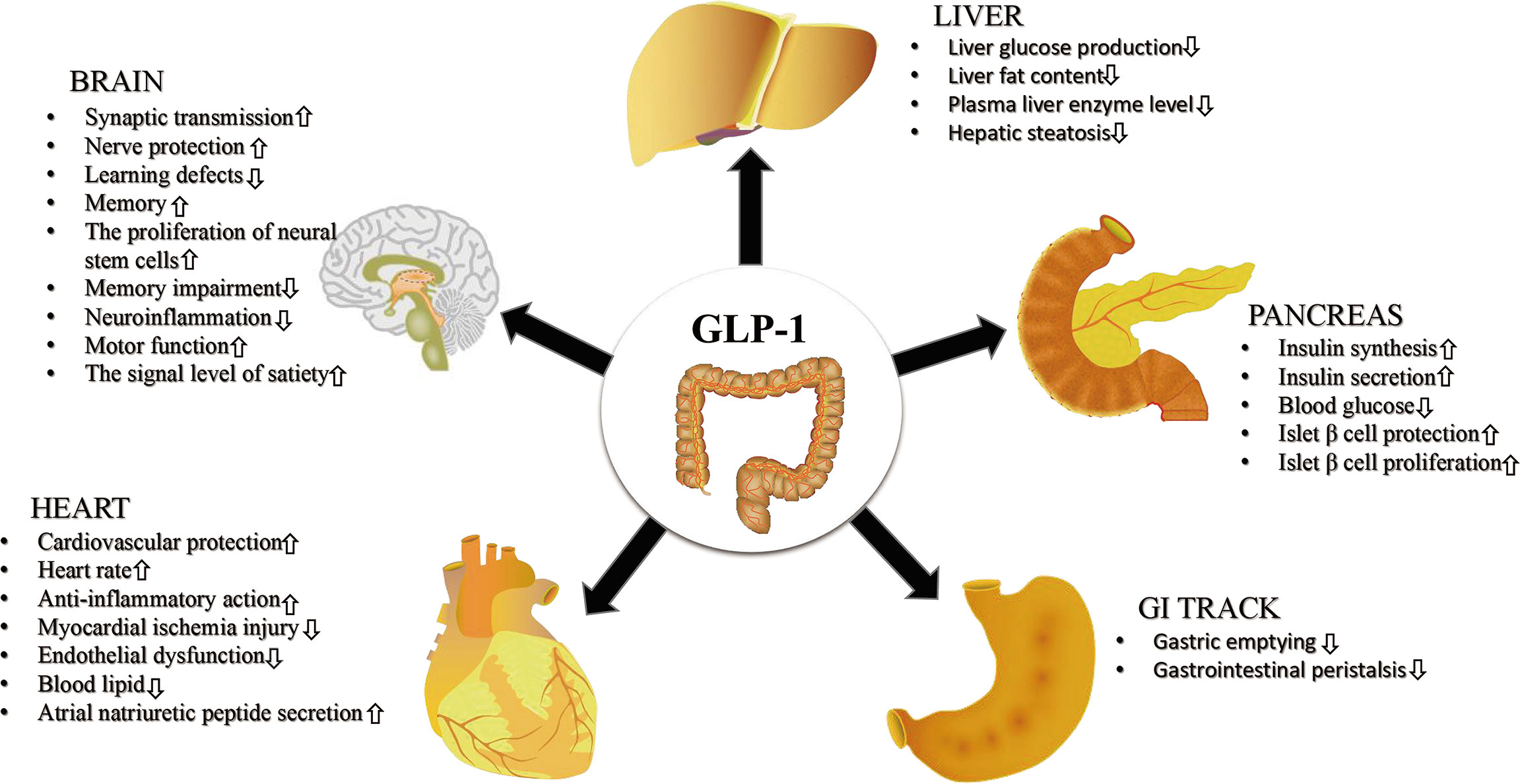
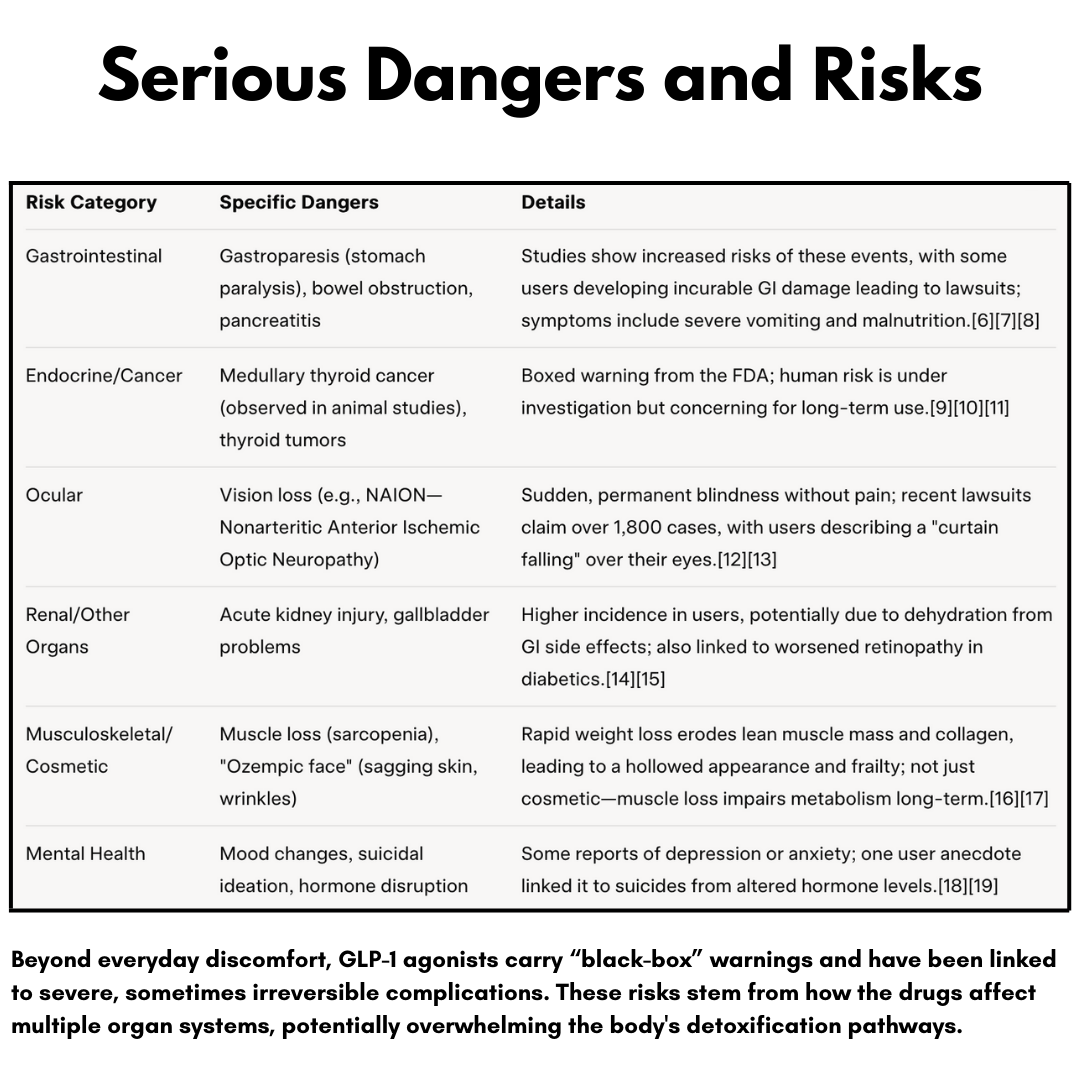
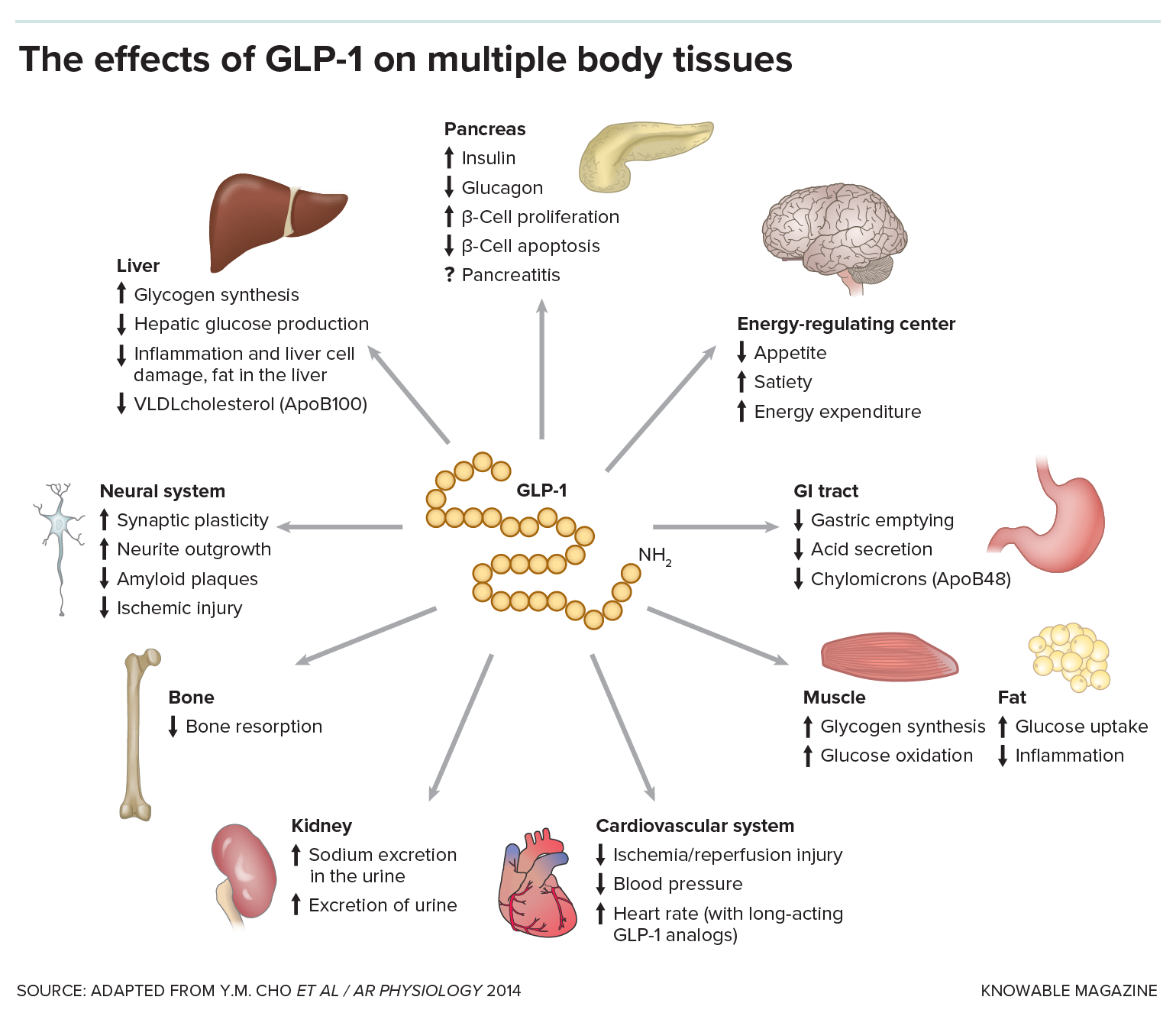
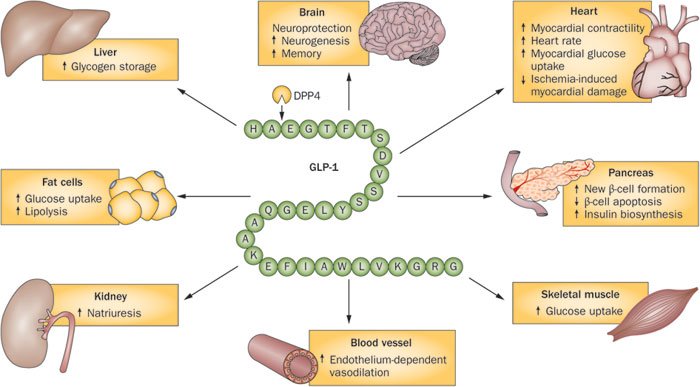
Recent studies have shed light on the multifaceted role of GLP-1RAs beyond their metabolic benefits. These medications can produce a range of psychological and psychiatric effects, including:
- Clinical depression symptoms, such as persistent sadness, loss of interest, and feelings of hopelessness
- Anxiety and mood disturbances
- Changes in emotional well-being and quality of life
- Disruption of intuitive eating signals and potential relapse of eating disorders
- Facial volume loss and skin laxity, potentially exacerbating visible aging
The Complex Interplay Between GLP-1 and Mental Health
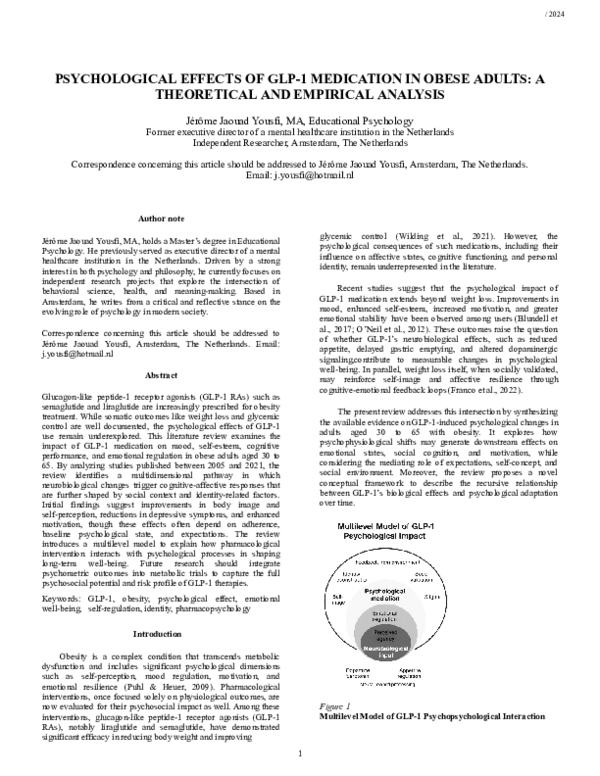
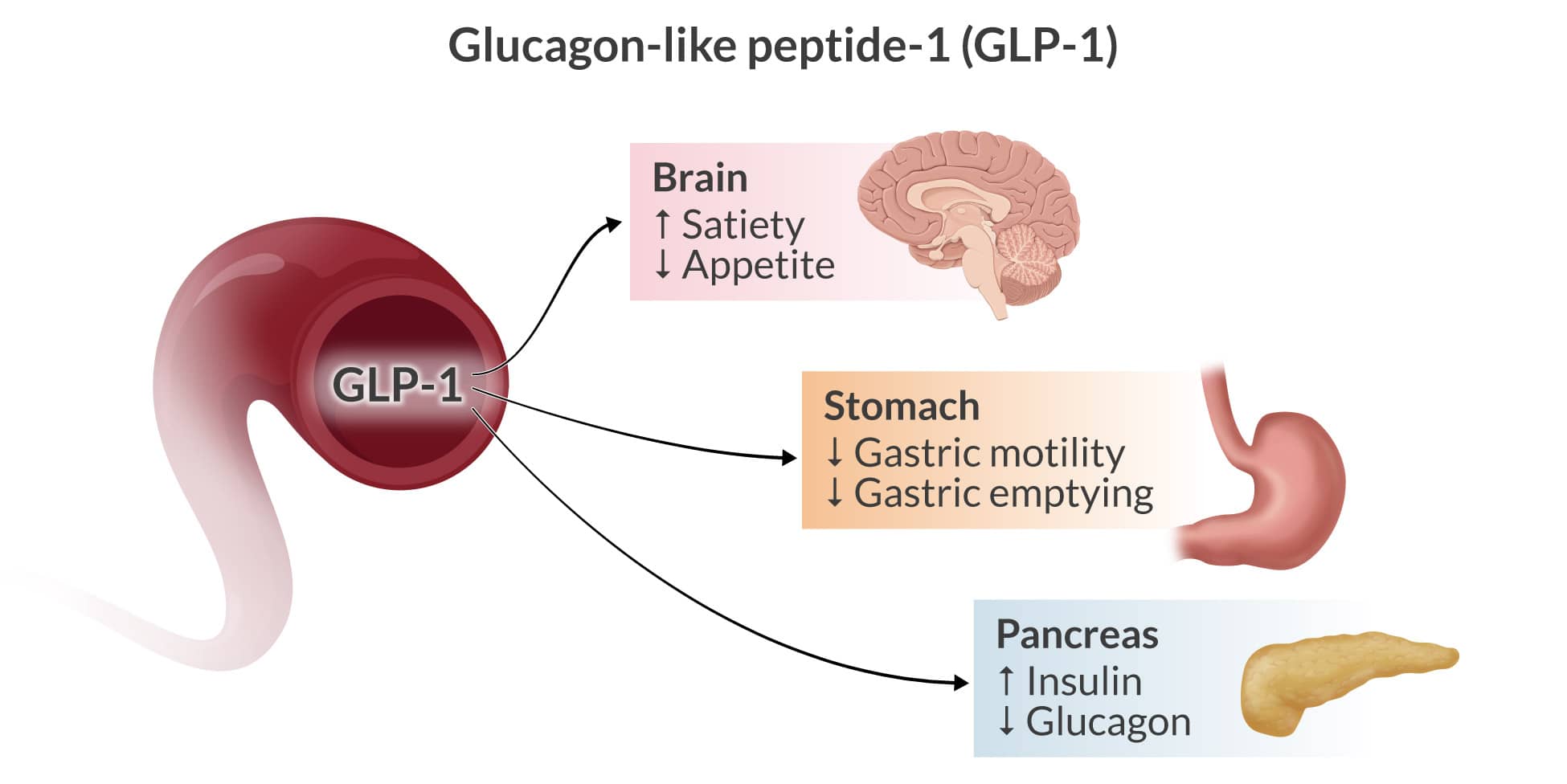
While the physical impact of GLP-1 usage is evident, the psychological effects are less well understood. Research suggests that GLP-1RAs may influence mood and energy levels, crucial factors in maintaining motivation for lifestyle changes. Moreover, the medication's effects on appetite and food intake may interact with existing eating disorders, potentially triggering relapse.