Unlocking the Power of GLP-1 and Insulin Support: A Game-Changer for Diabetes Management
For individuals living with type 2 diabetes, managing blood sugar levels can be a daunting task. Traditional treatments often involve a combination of medications, including basal insulin and GLP-1 receptor agonists. But what if there's more to the story? In this article, we'll delve into the world of GLP-1 and insulin support, exploring the science behind these powerful incretin hormones and their role in glucose regulation.
What are GLP-1 and Insulin Support?
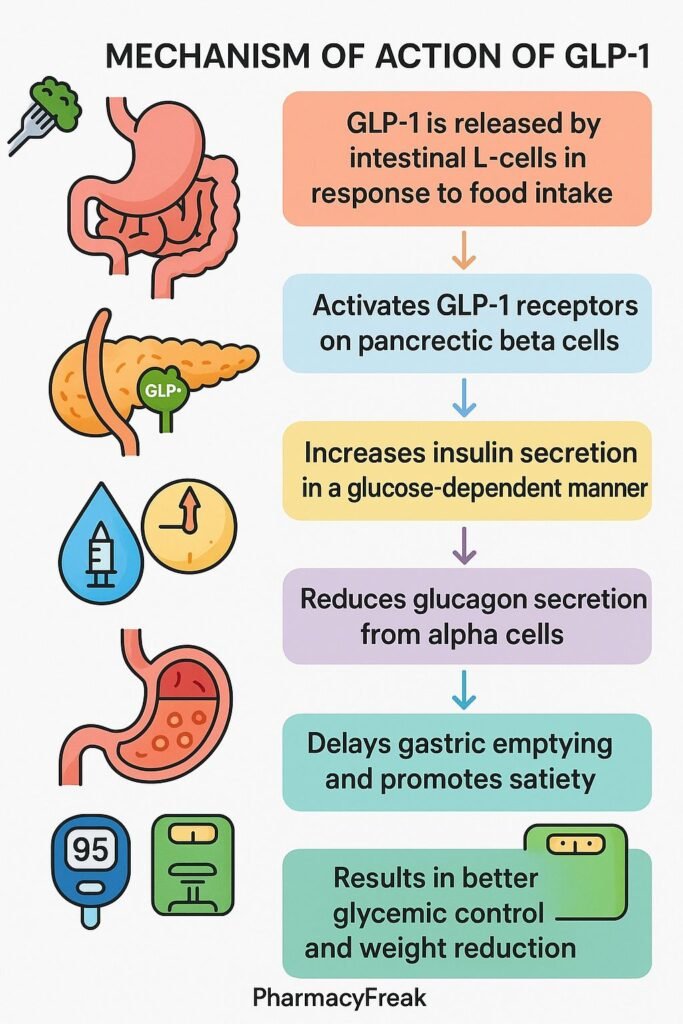
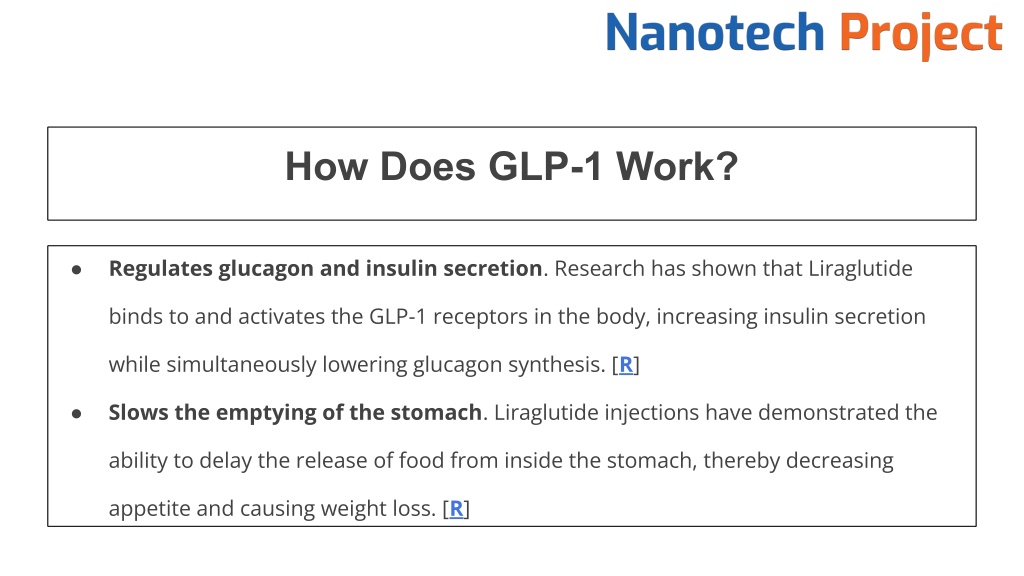
- GLP-1 (Glucagon-Like Peptide-1) is an incretin hormone produced by the intestines in response to food ingestion.
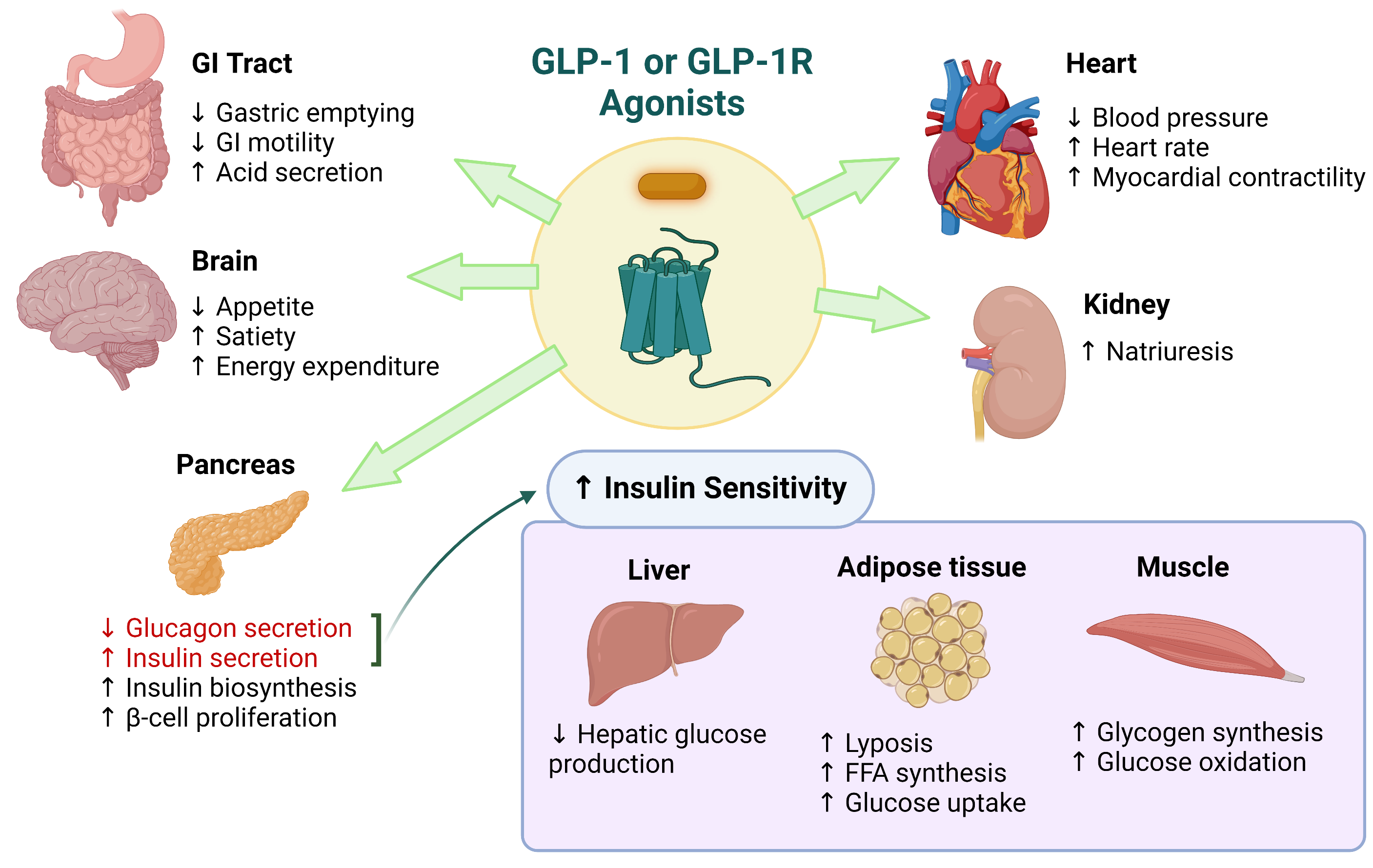
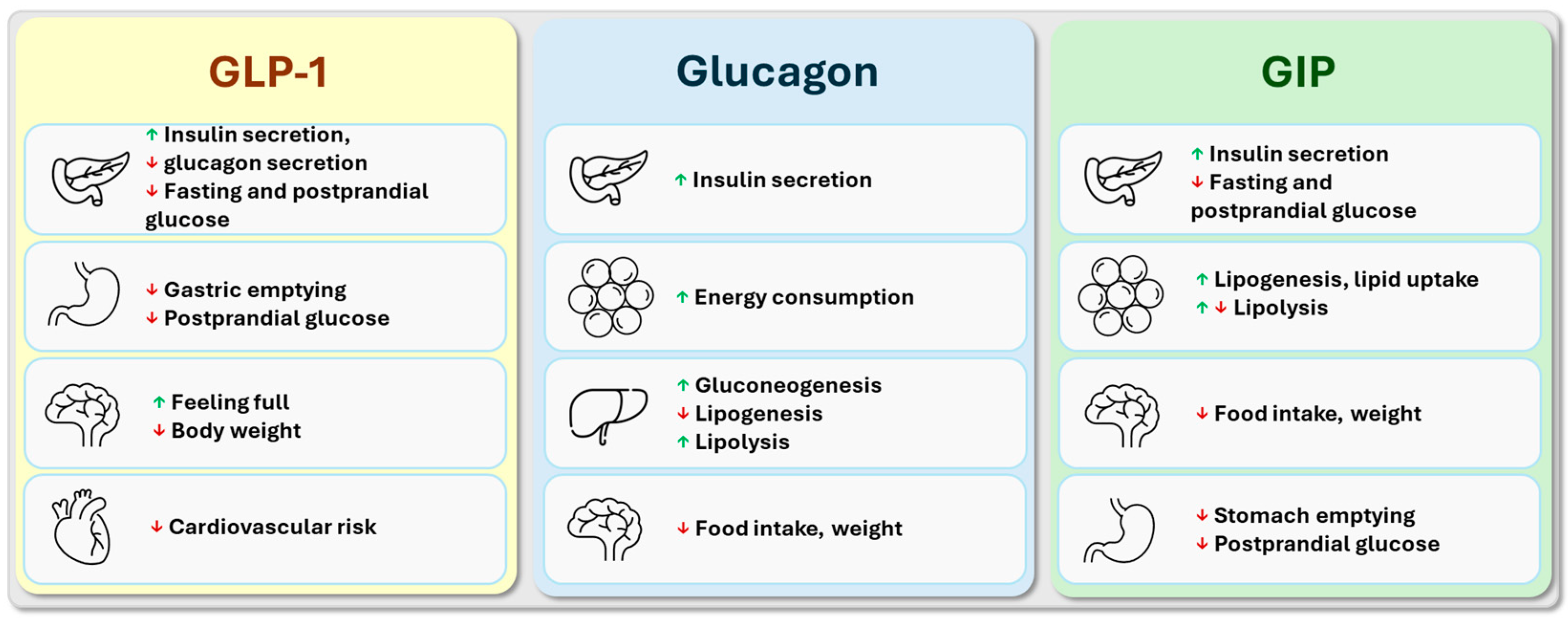
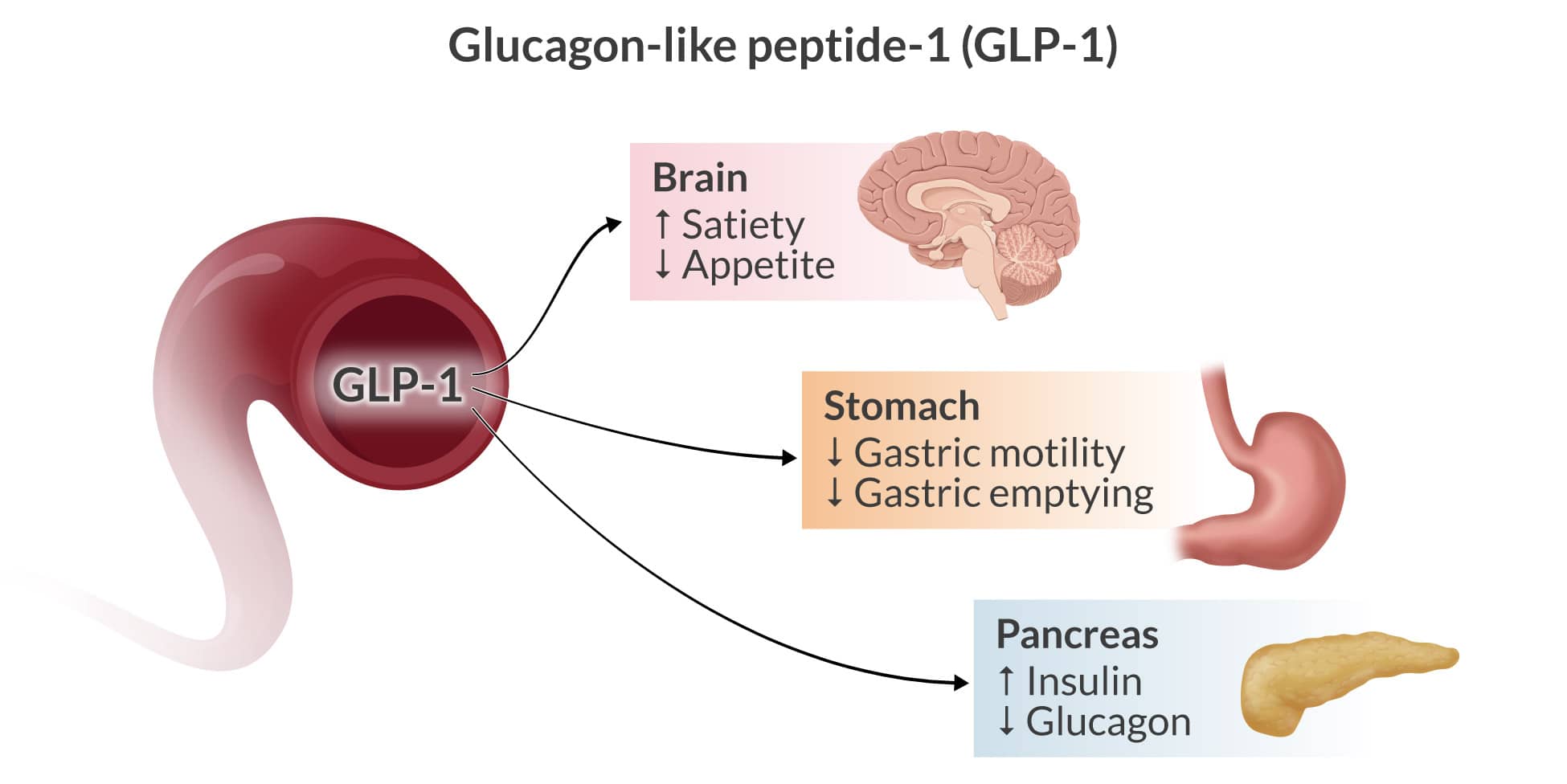
- GLP-1 plays a crucial role in glucose metabolism, influencing insulin secretion, insulin sensitivity, and gastric emptying.
- GLP-1 receptor agonists are a class of medications that mimic the action of GLP-1, stimulating the release of insulin and reducing glucose levels.
- Insulin support is a complementary therapy that works in conjunction with GLP-1 receptor agonists to enhance glucose-dependent insulin secretion and improve glycemic control.

How Do GLP-1 and Insulin Support Work Together?
When combined with basal insulin, GLP-1 receptor agonists offer a synergistic effect, amplifying the body's natural insulin response and reducing glucose levels. This combination therapy has been shown to provide several benefits, including: