Understanding the Reduction in Food Intake through GLP-1
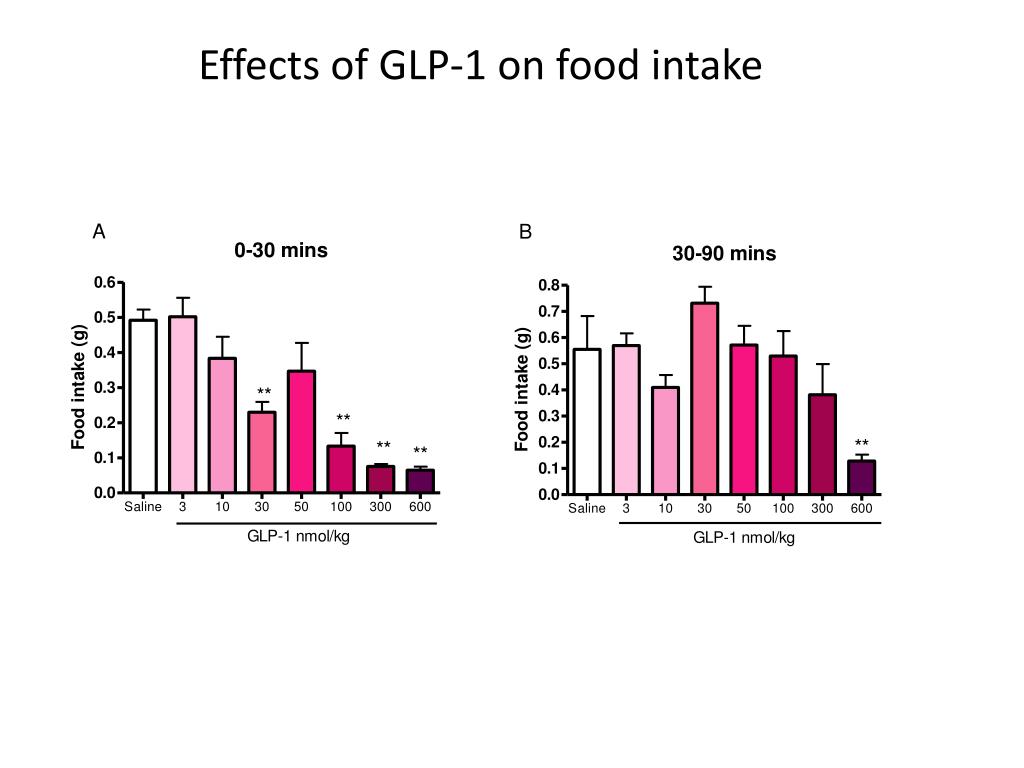
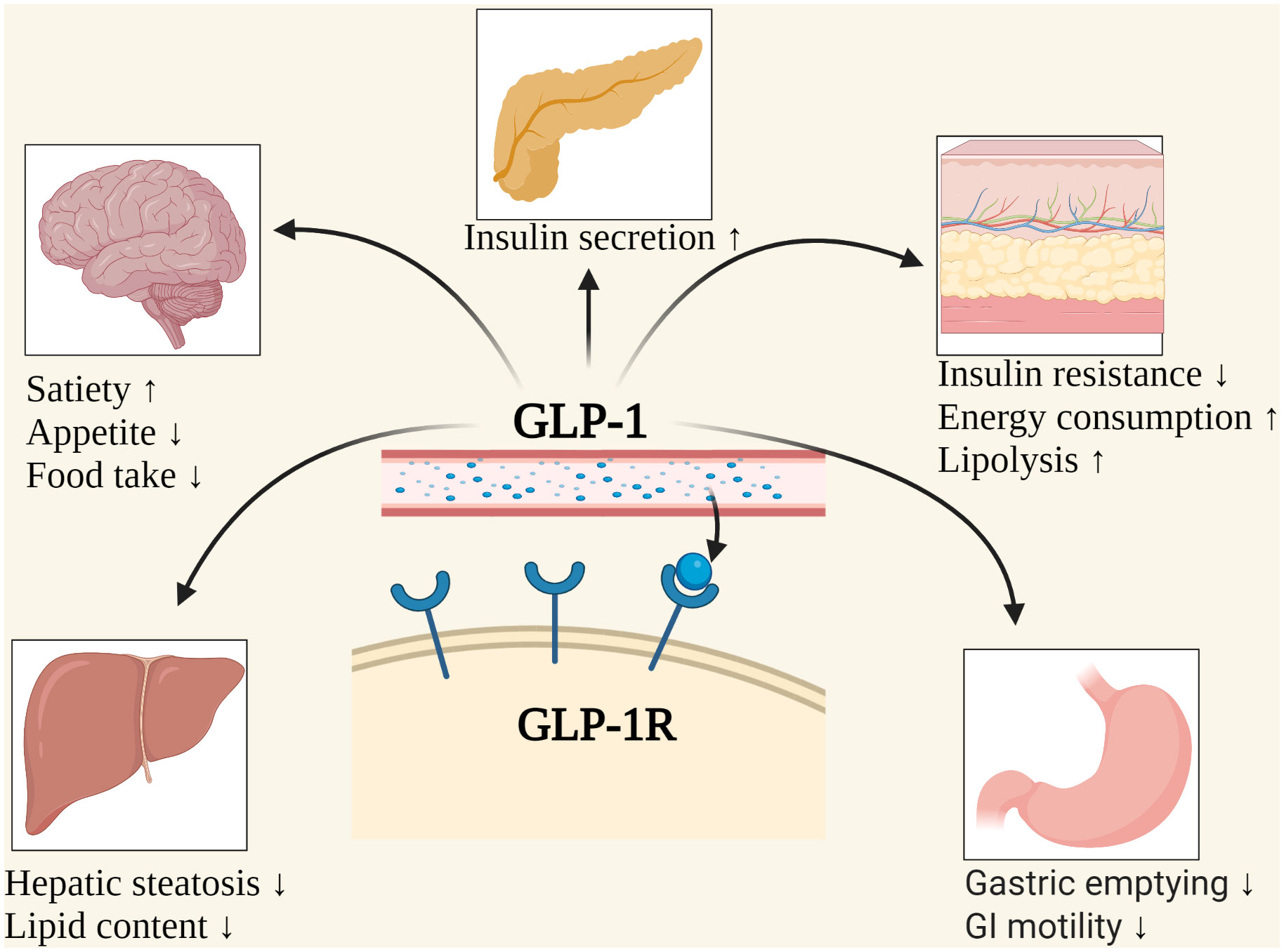
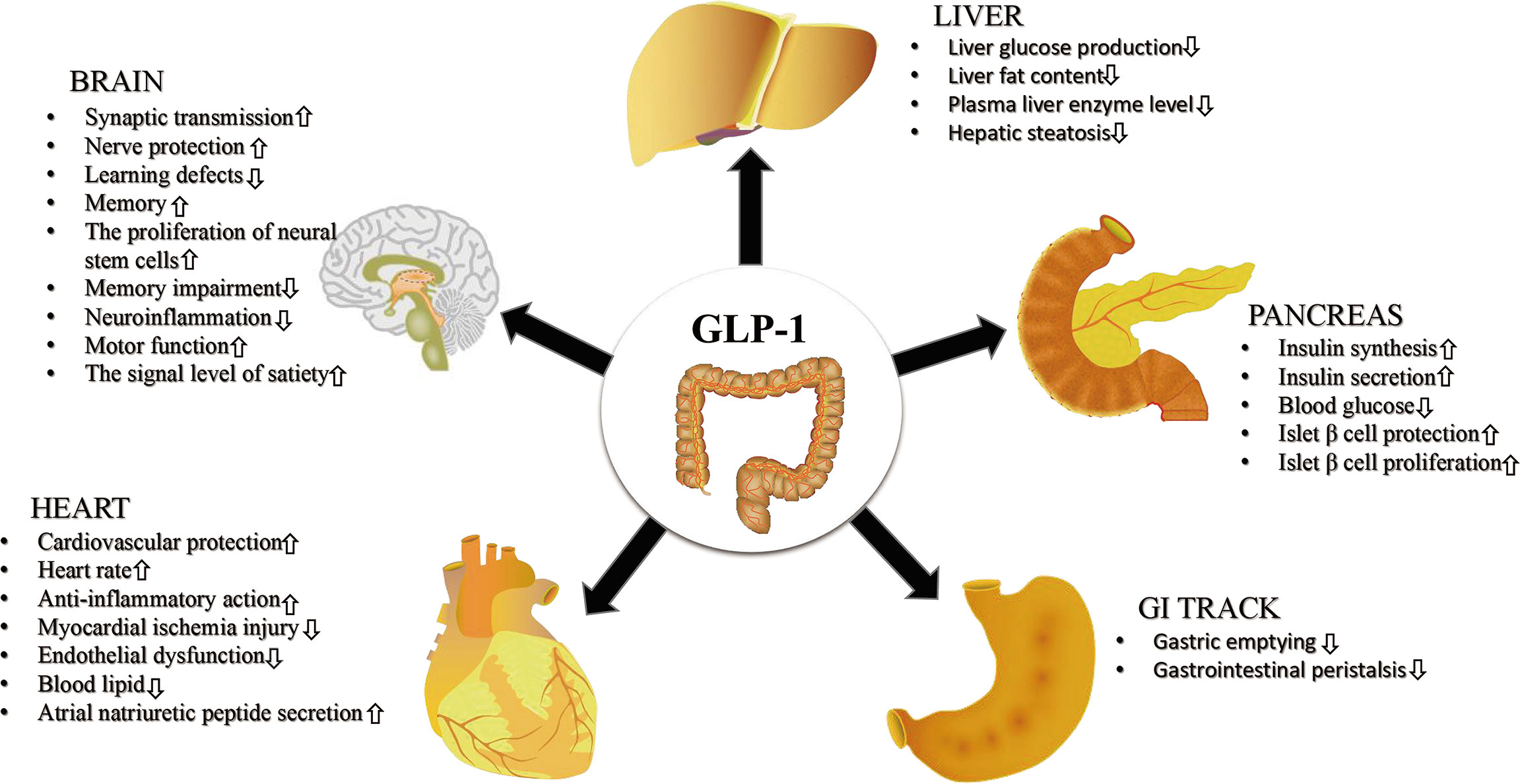
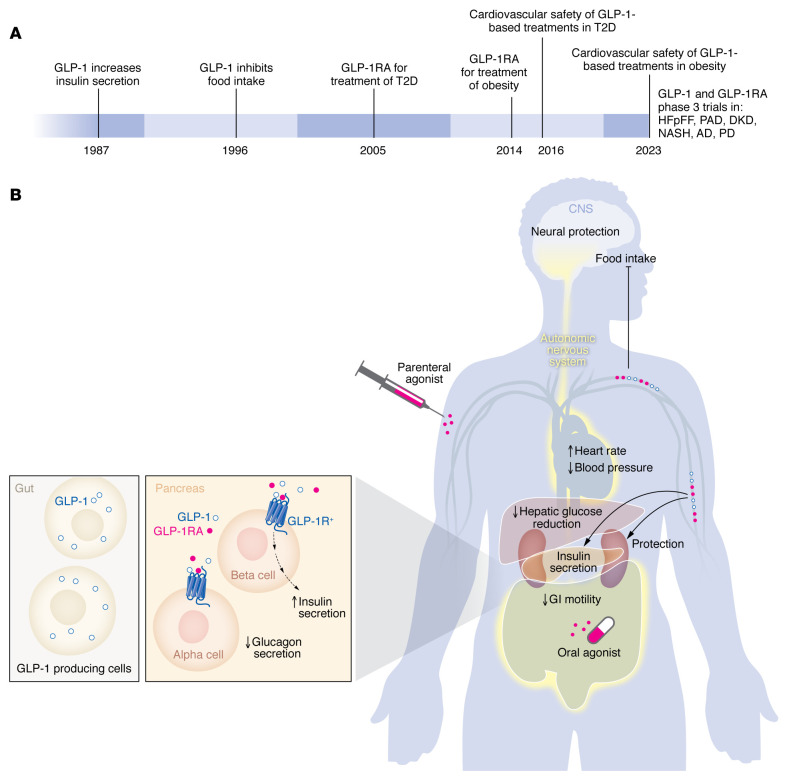
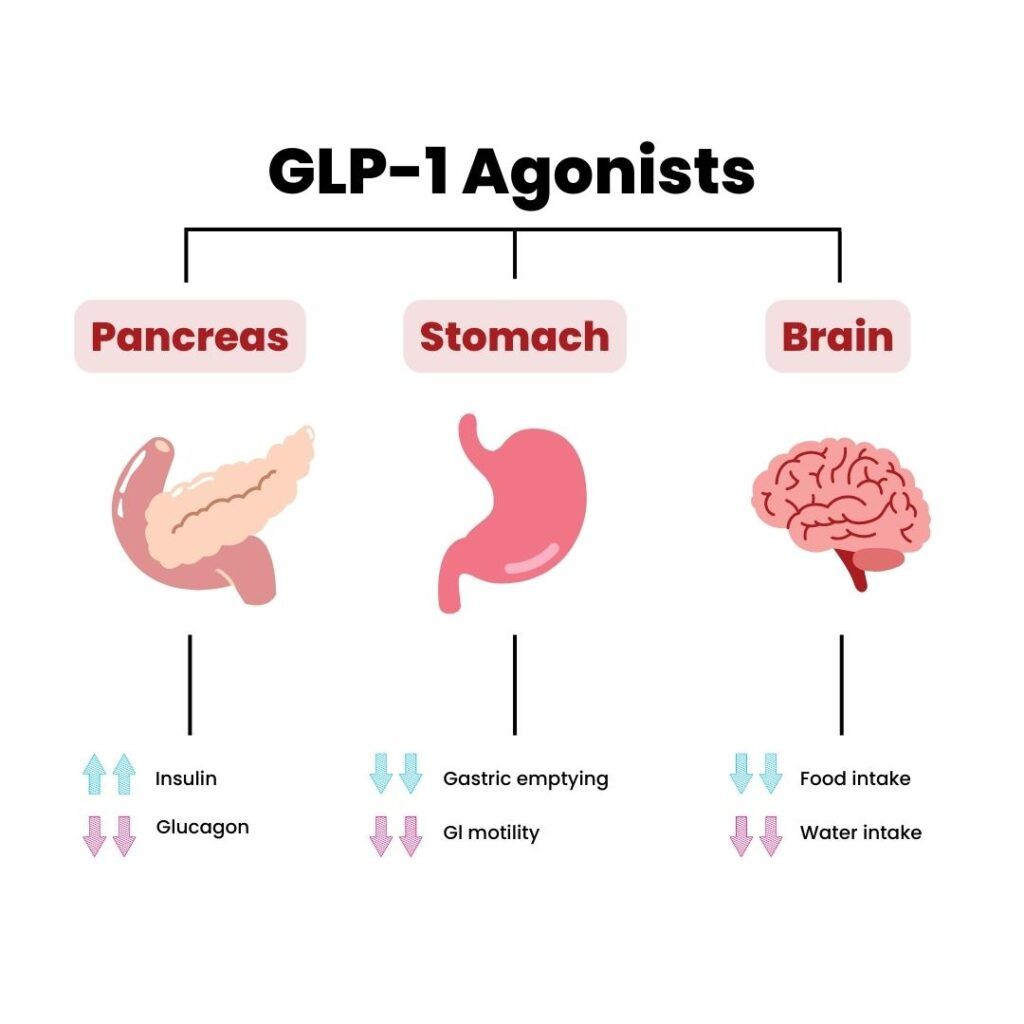
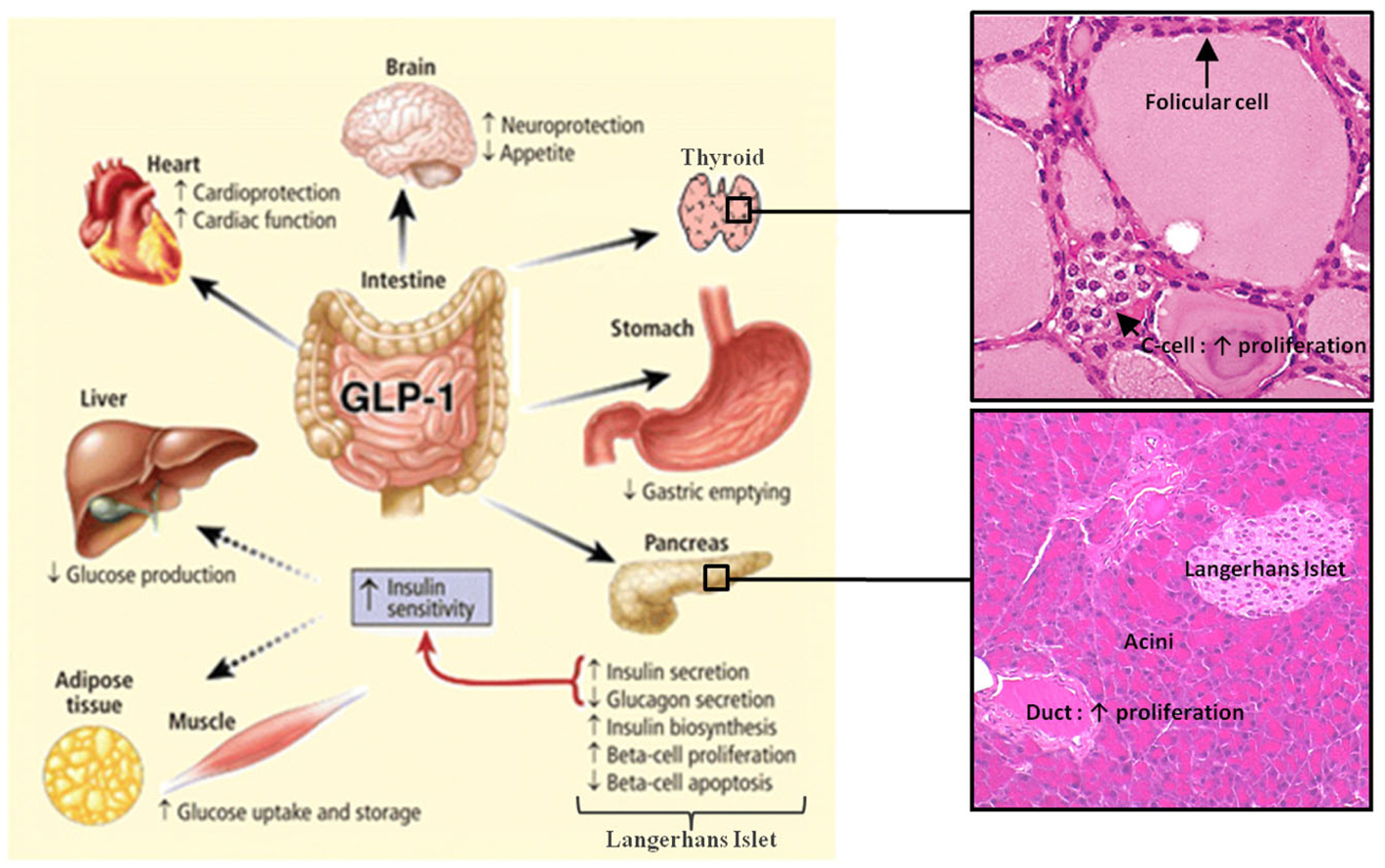
Glucagon-like peptide-1 receptor agonists (GLP-1 RAs) have become a popular treatment for obesity and type 2 diabetes due to their ability to suppress appetite and reduce food intake. These medications work by mimicking the natural GLP-1 hormone, which is released by the gut in response to eating and helps regulate blood sugar levels, hunger, and digestion.
The Science Behind GLP-1 Medications
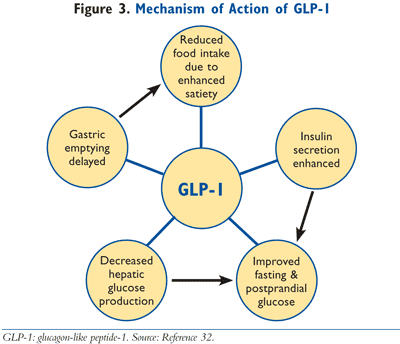
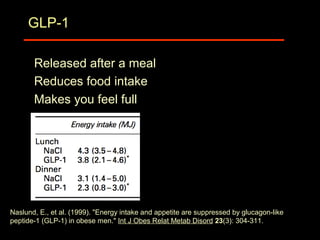
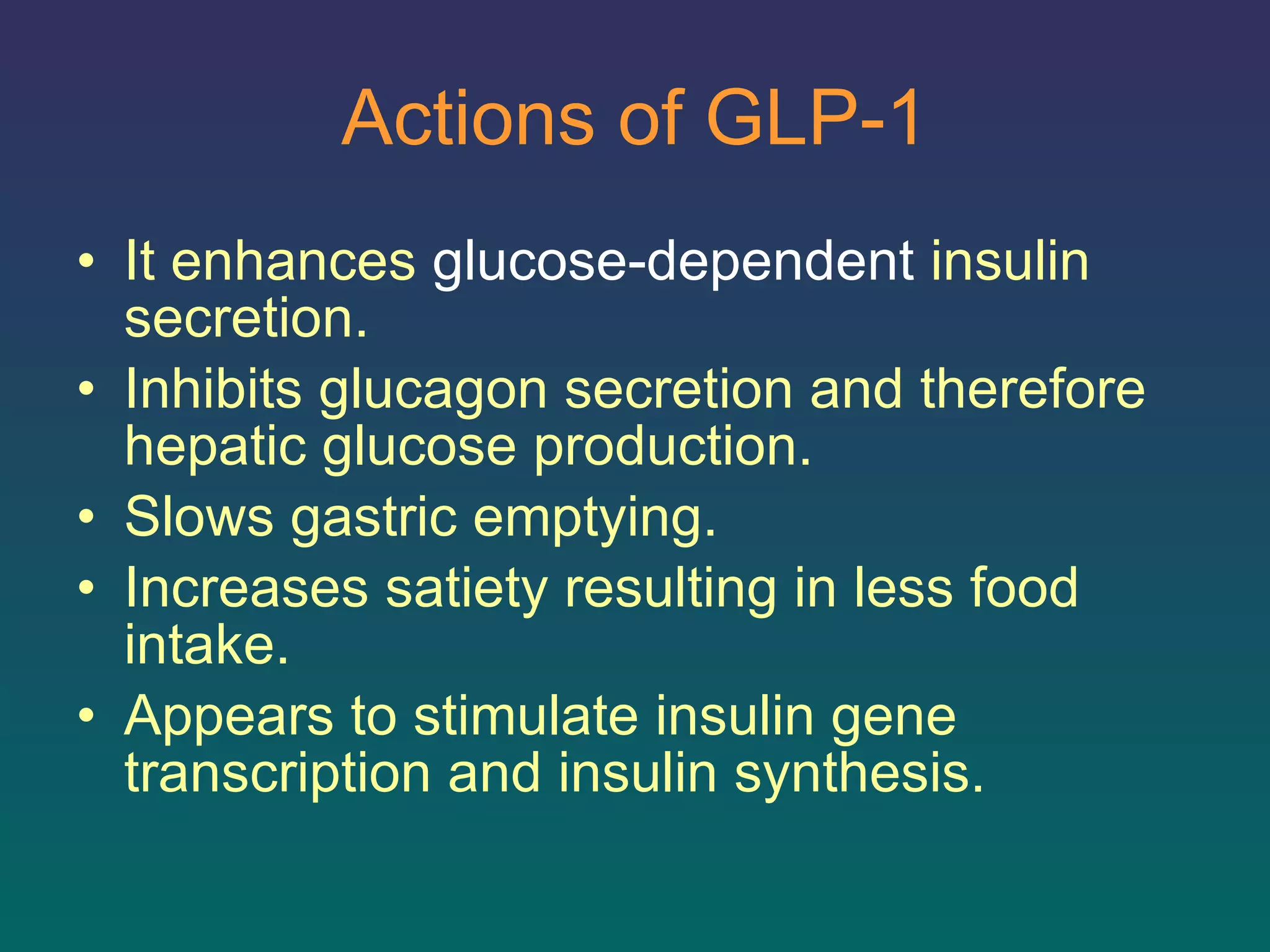
GLP-1 RAs work through multiple physiological mechanisms that directly impact dietary intake and nutritional status. By acting on GLP-1 receptors in the hypothalamus and brainstem, these medications reduce appetite signaling, increase satiety perception, and diminish food cravings – particularly for energy-dense foods. This leads to a reduction in food intake, which is a key factor in achieving weight loss and improving metabolic health.

Reducing Food Intake through GLP-1
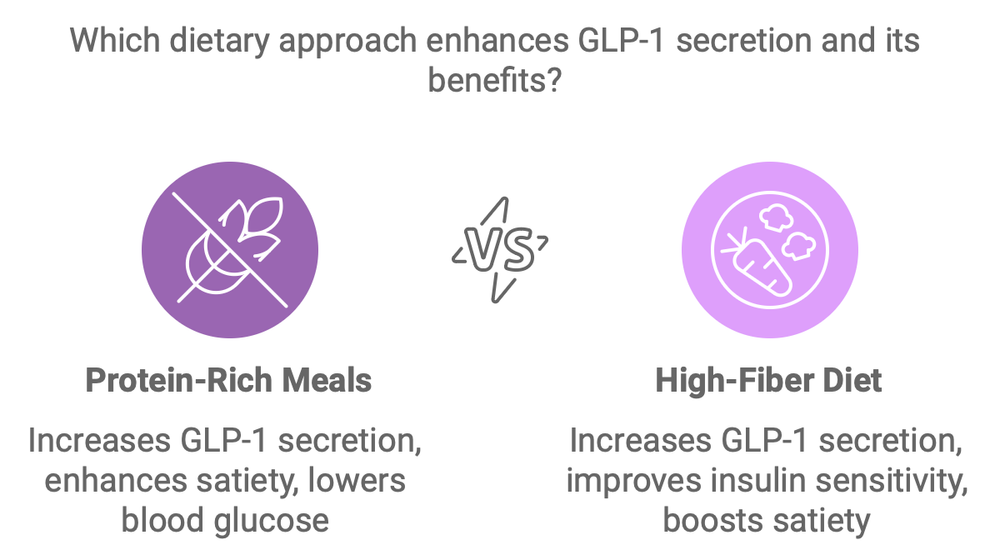
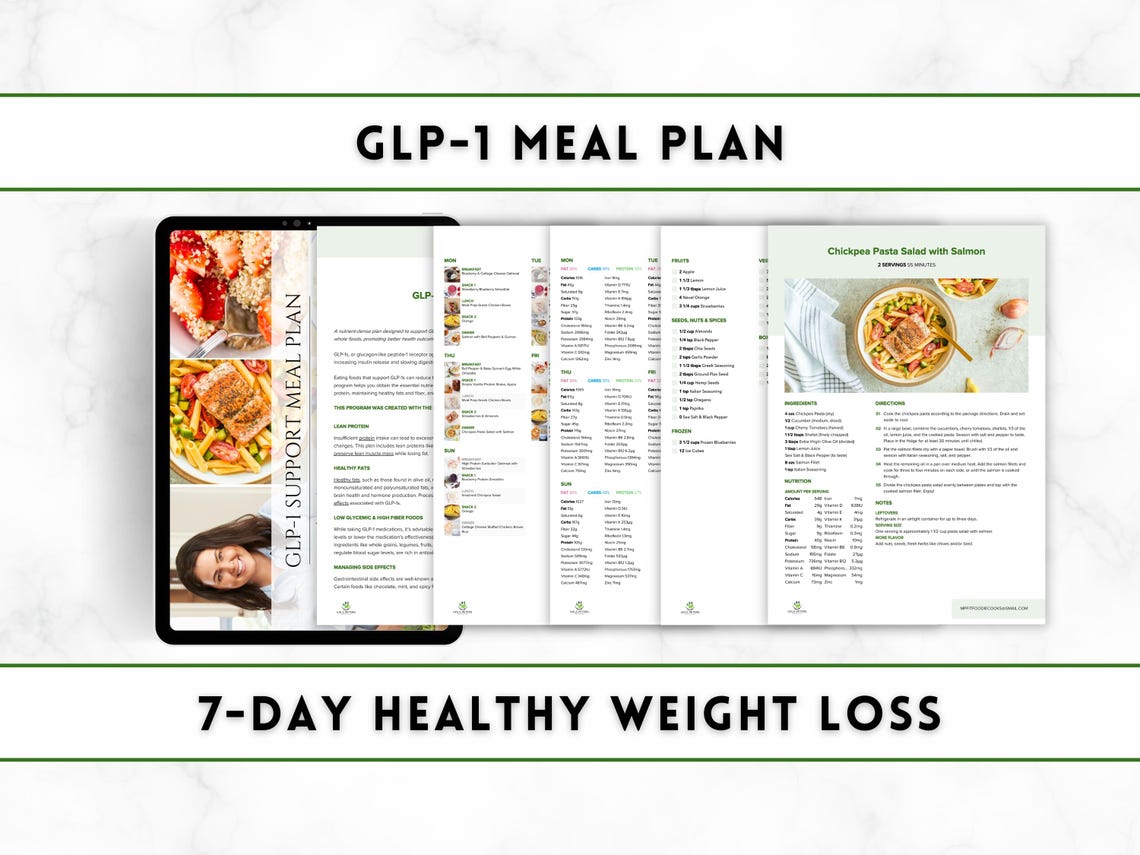
The reduction in food intake through GLP-1 is not just a matter of eating less; it's about making healthier choices and timing meals properly. When using GLP-1 medications, it's essential to focus on nutrient-dense foods, including lean proteins, whole grains, and a variety of fruits and vegetables. Research also suggests that patients on GLP-1 therapy can benefit from a low-carbohydrate, high-protein diet, which can further enhance satiety and reduce caloric intake.