GLP-1 and Insulin Dosing: A Comprehensive Review
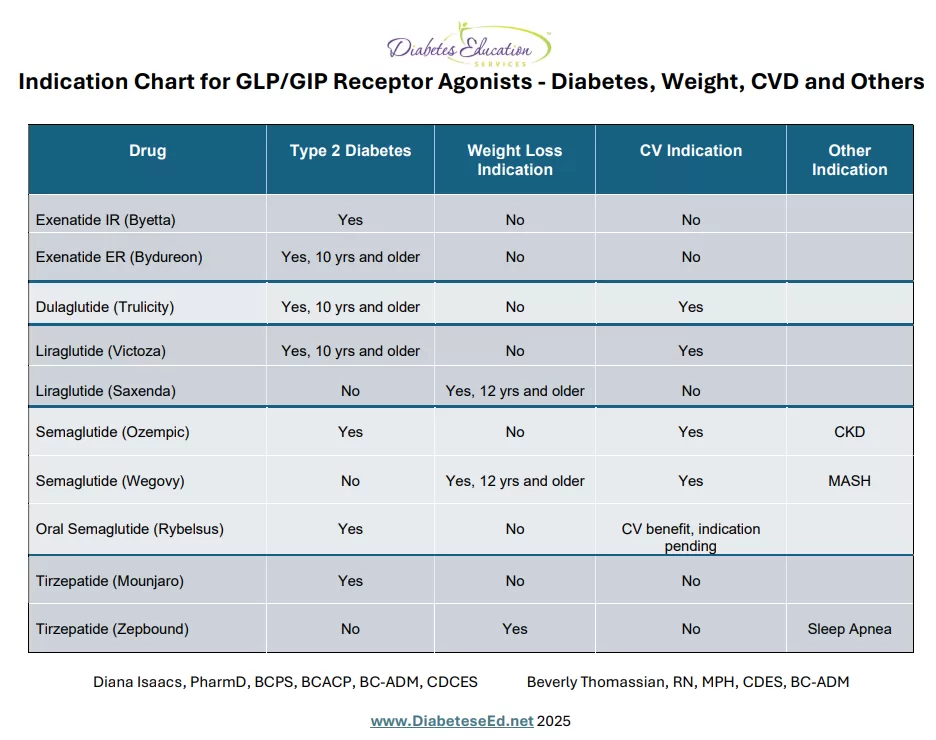
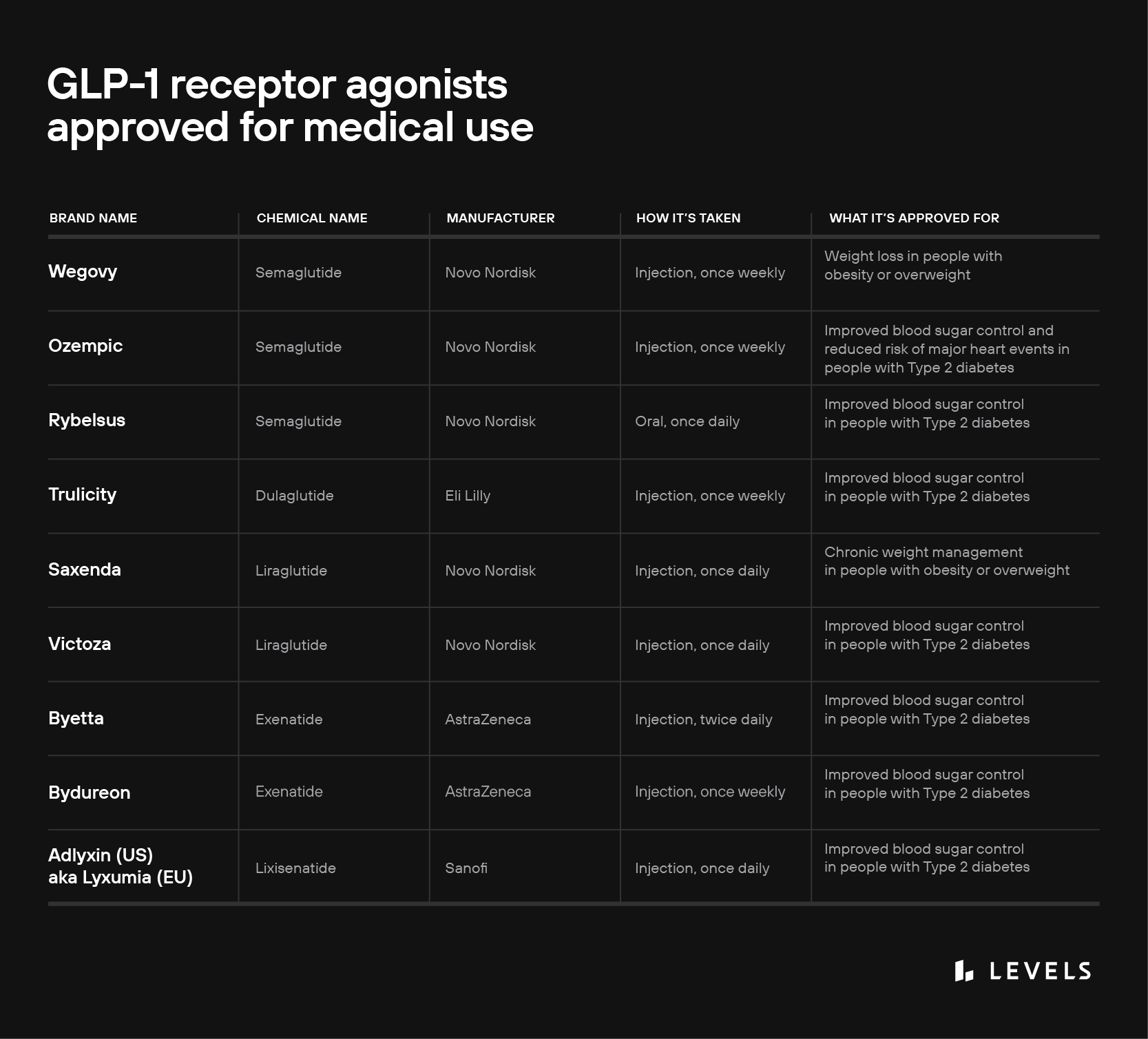
The management of type 2 diabetes has evolved significantly in recent years, with the introduction of glucagon-like peptide-1 receptor agonists (GLP-1RAs) and their combination with insulin. GLP-1RAs have revolutionized the treatment of type 2 diabetes, offering several benefits, including improved glycemic control, weight loss, and reduced risk of cardiovascular events.
The Role of GLP-1 in Insulin Dosing
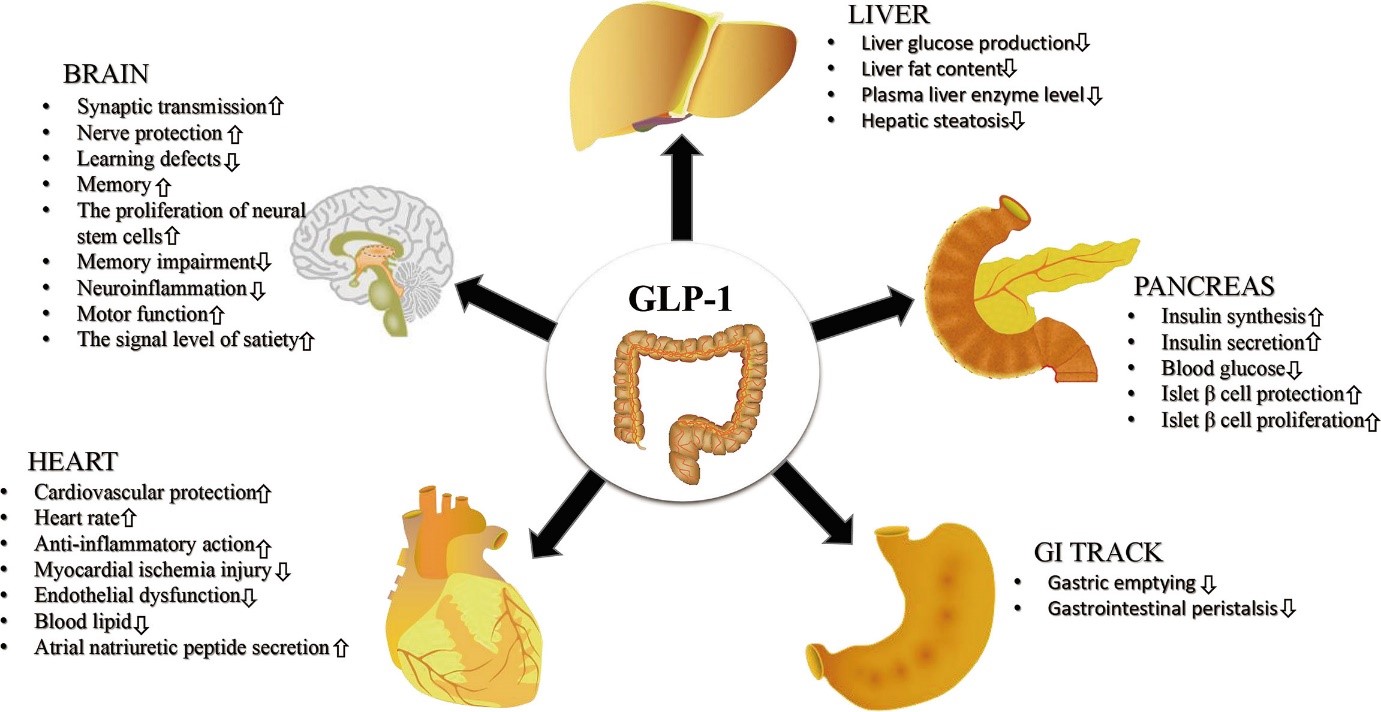
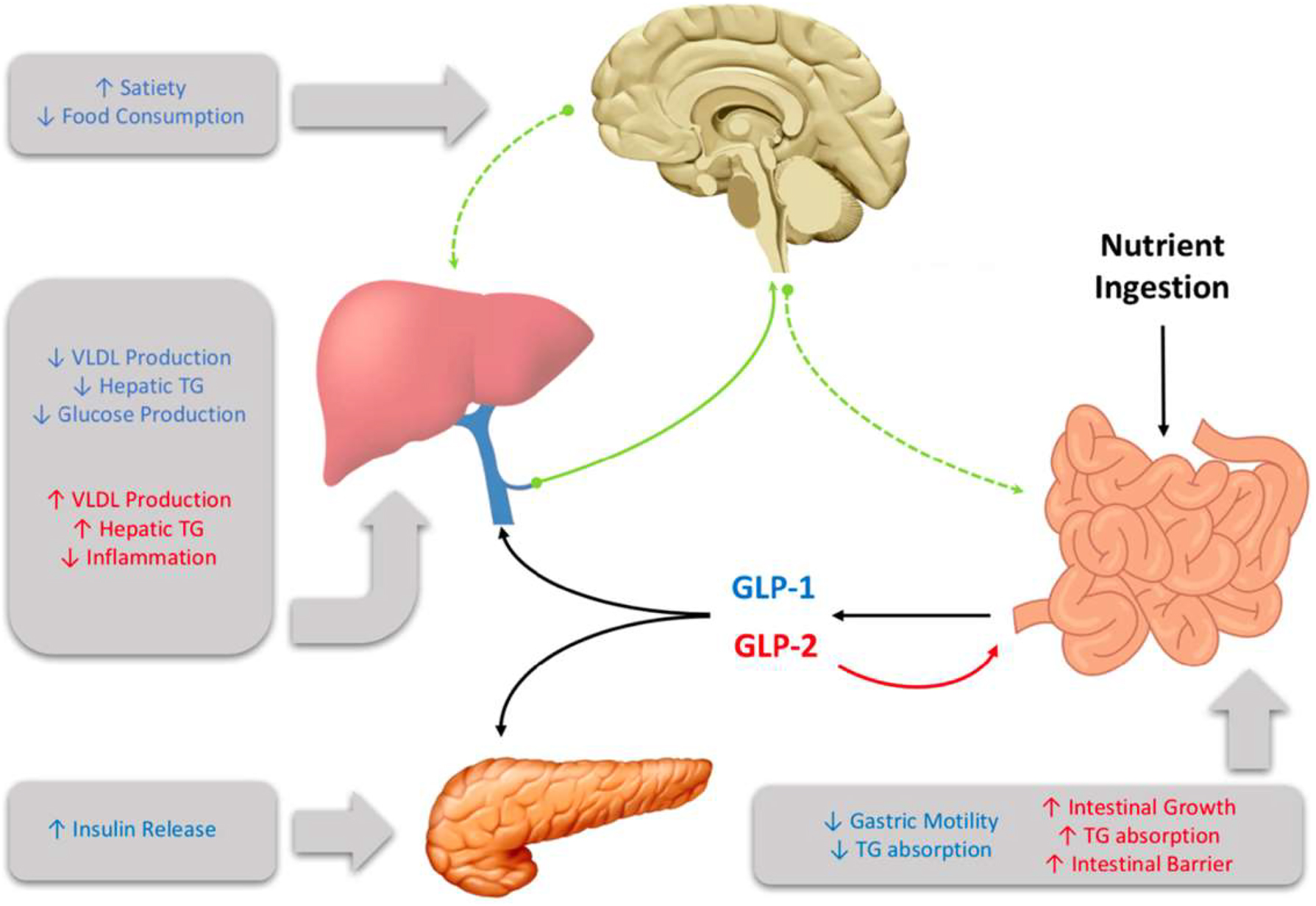
GLP-1 is a hormone that plays a crucial role in regulating blood glucose levels. It stimulates the release of insulin from the pancreas, improves insulin sensitivity, and slows gastric emptying. In people with type 2 diabetes, the body's cells are resistant to the effects of insulin, making it difficult to manage blood sugar levels. GLP-1RAs mimic the action of endogenous GLP-1, promoting insulin release and improving insulin sensitivity.
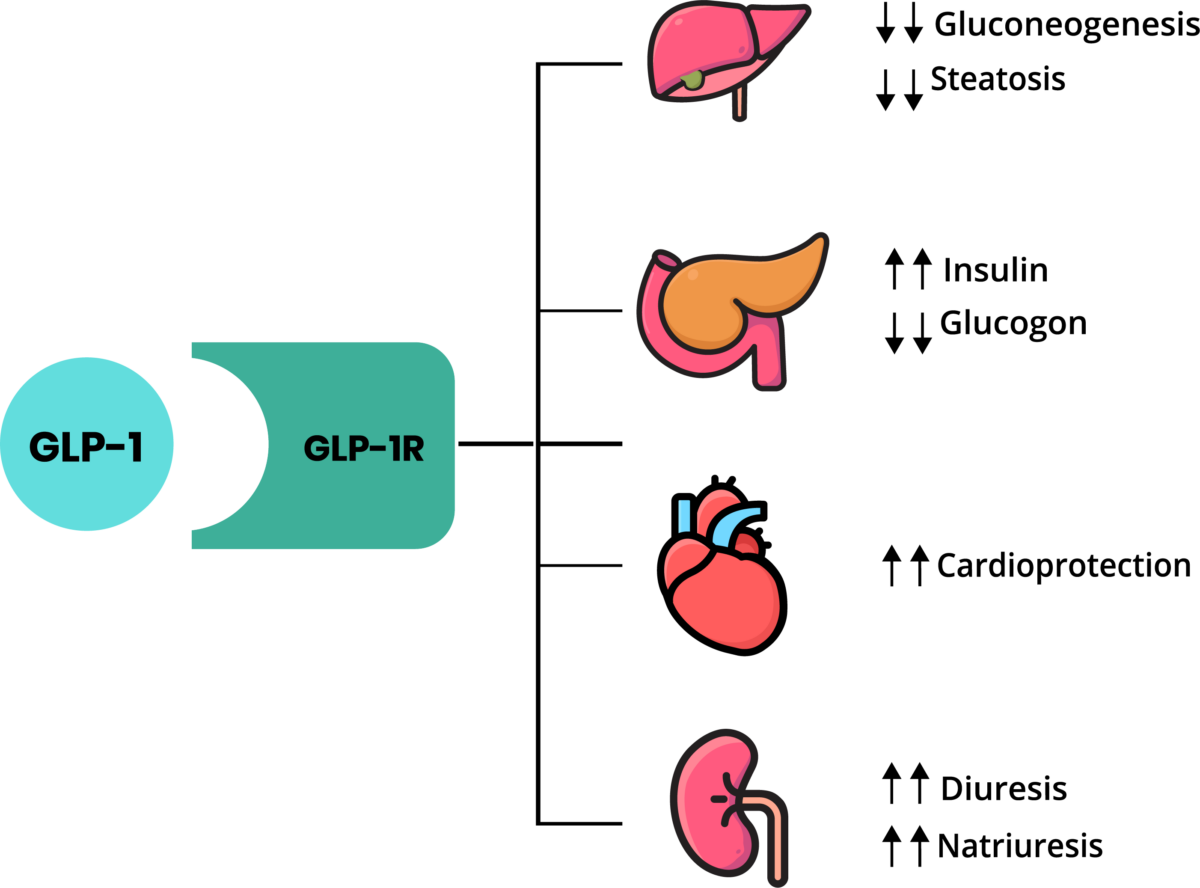
GLP-1 and Insulin Dosing: A Guide
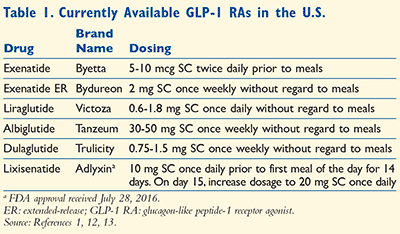
The combination of basal insulin and GLP-1RA offers several benefits to patients with type 2 diabetes. This approach can lead to improved glycemic control, reduced insulin dosages, and weight loss. However, it is essential to individualize the dosing of insulin and GLP-1RA to each patient's needs.
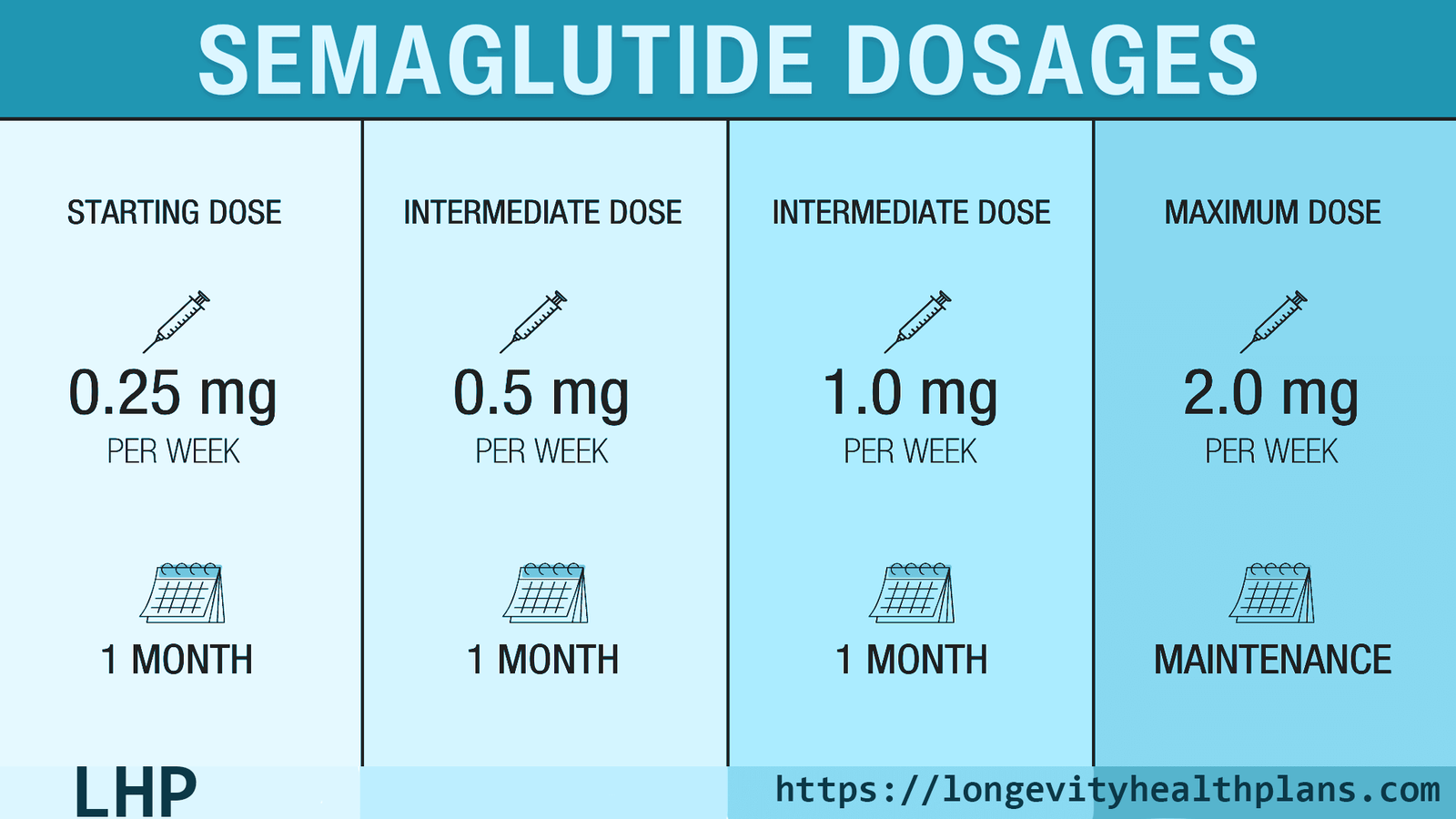
- Initial Dosing:** When starting GLP-1RA, a 20% reduction in basal insulin dosage is often recommended in patients with a baseline A1C ≤ 8%.
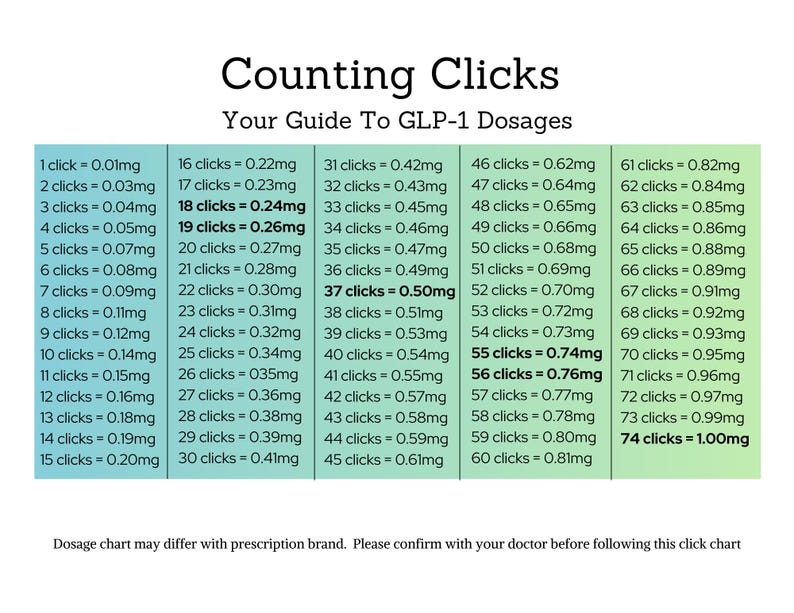
- Titration:** The dosages of both insulin and GLP-1RA should be adjusted based on the patient's glycemic response, with the goal of achieving target A1C levels.
- Monitoring:** Regular monitoring of blood glucose levels, A1C, and insulin dosages is essential to ensure optimal control of blood sugar levels.













:max_bytes(150000):strip_icc()/health-GettyImages-2025836701-ce3f5ccf0f98428e9d14abaeb07ba307.jpg "GLP-1 Drugs: Benefits vs Risks Explained | Technology Networks")

