S-12968 GLP-1 and Protein Analogues: A Comprehensive Review
Few hormones have had a more significant impact on human health than glucagon-like peptide-1 (GLP-1). Its role in glucose homeostasis and food intake regulation has made it a vital target for drug developers. In recent years, GLP-1 receptor agonists have emerged as a powerful therapeutic tool for managing metabolic disorders, including type 2 diabetes mellitus (T2DM).
GLP-1 and Protein Analogs: An Overview
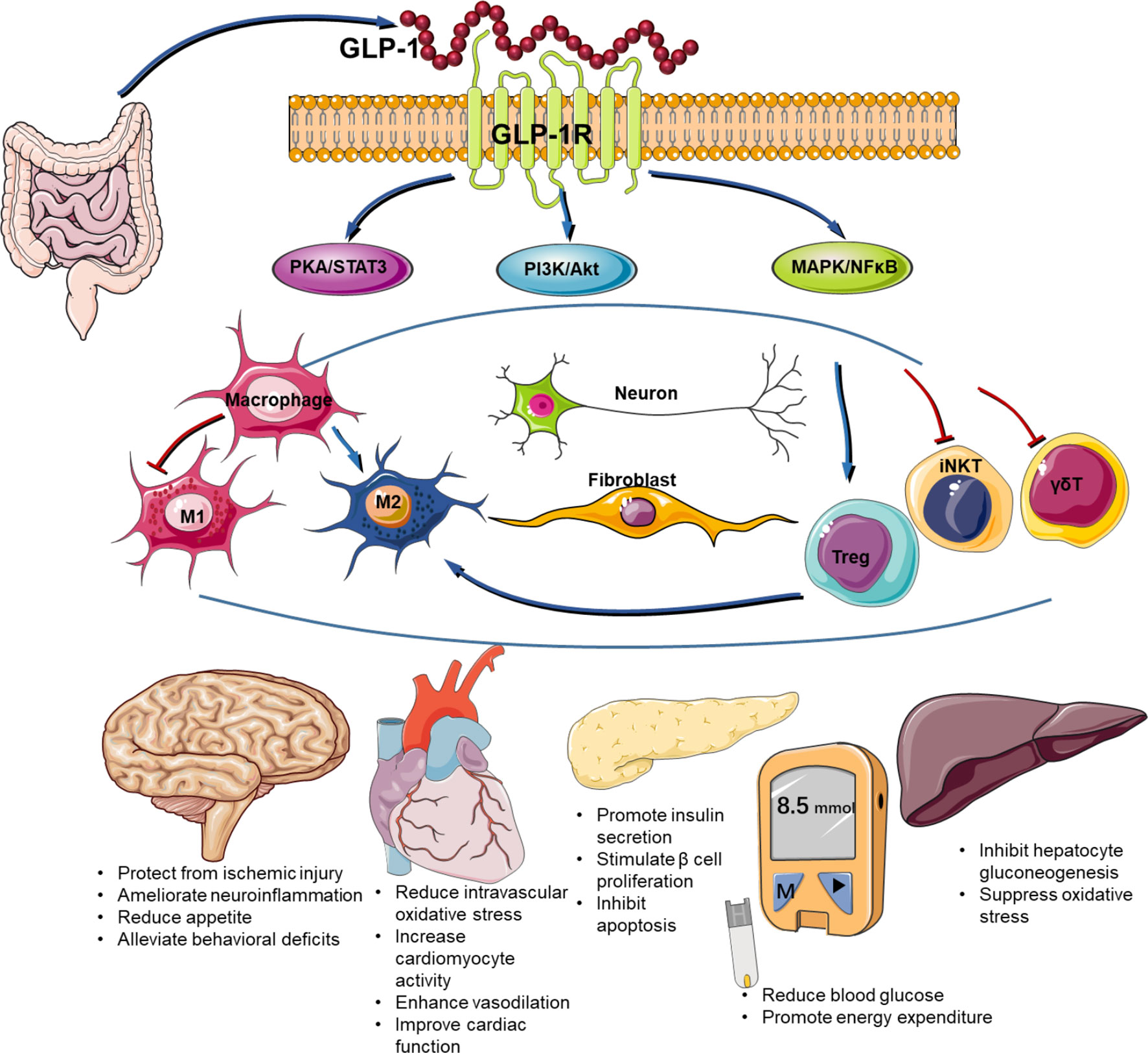
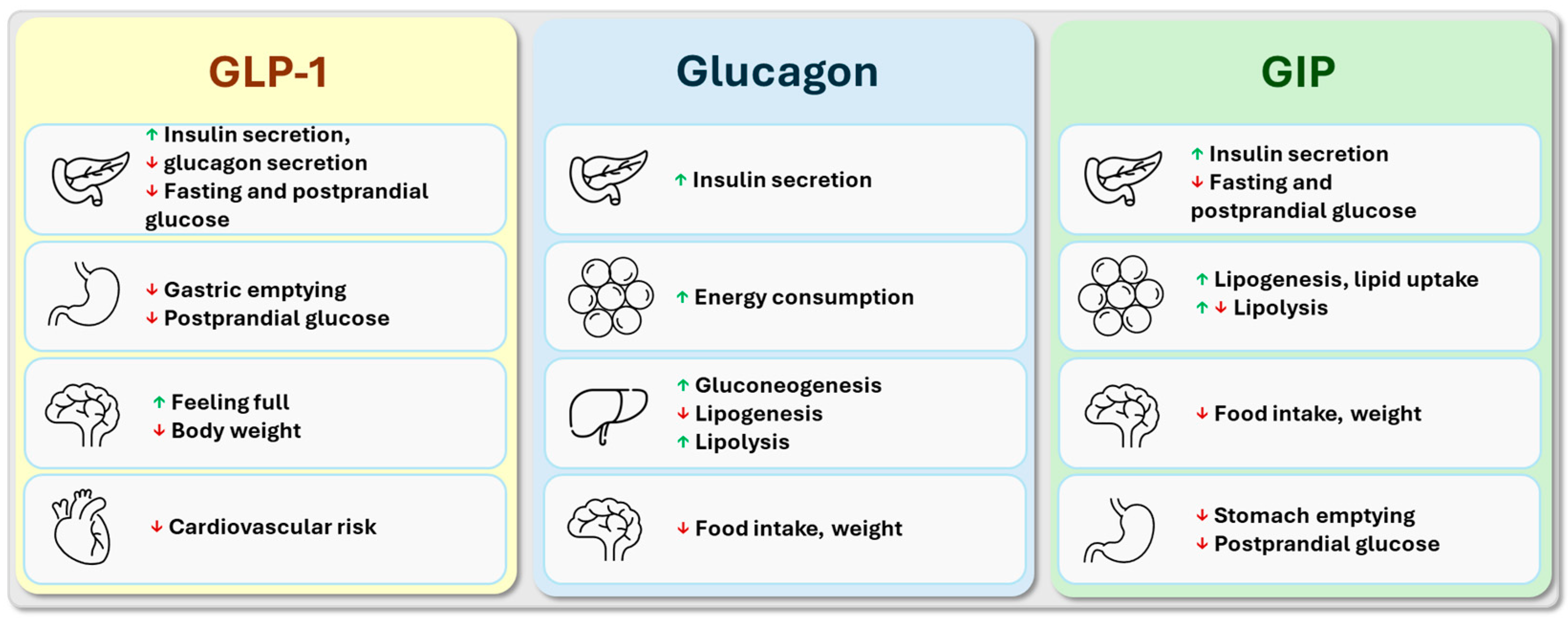
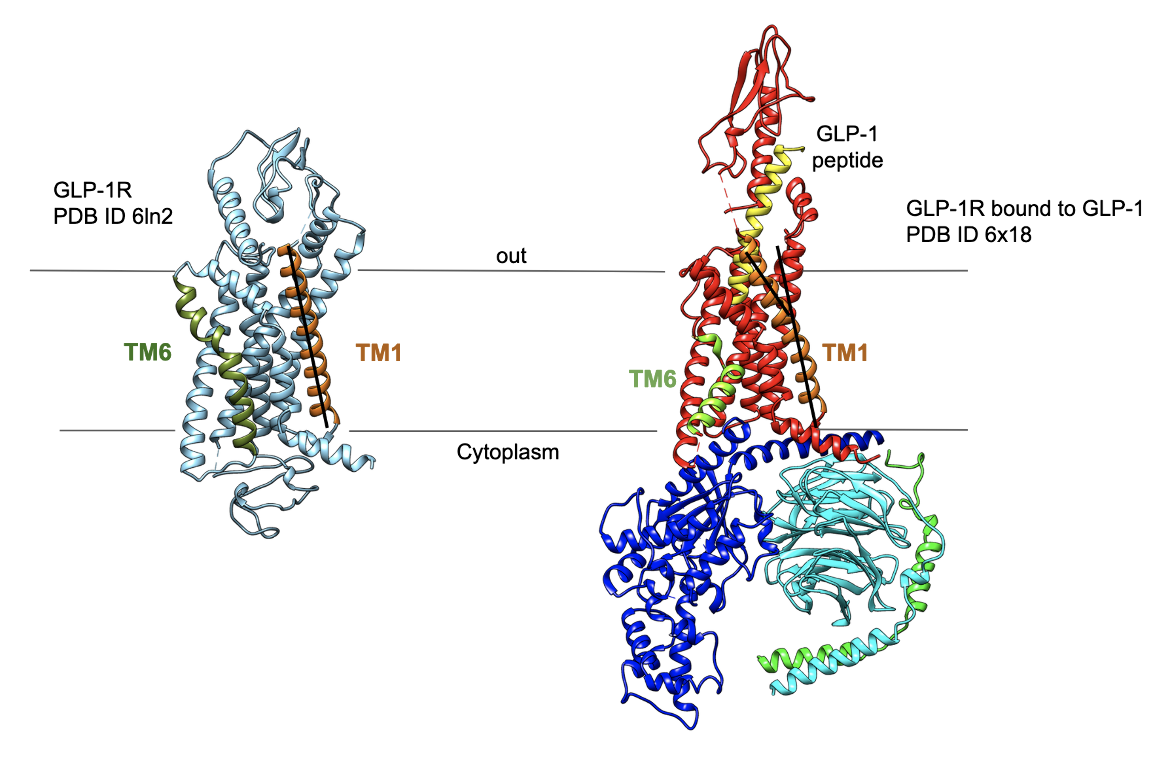
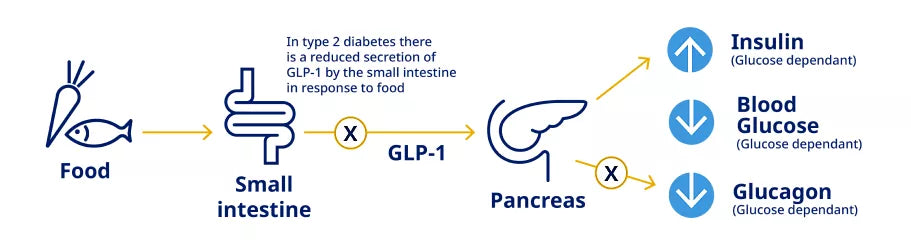
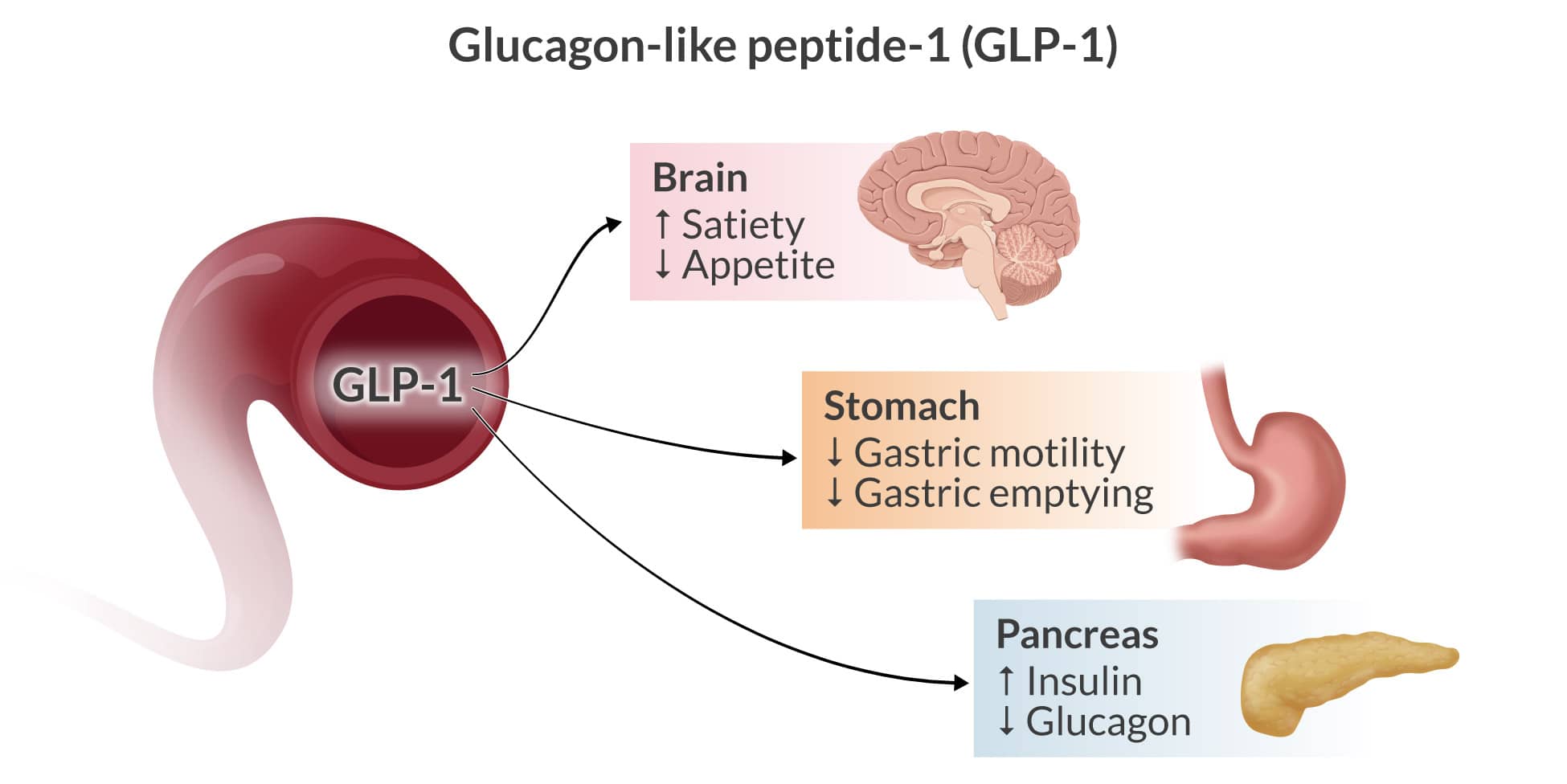
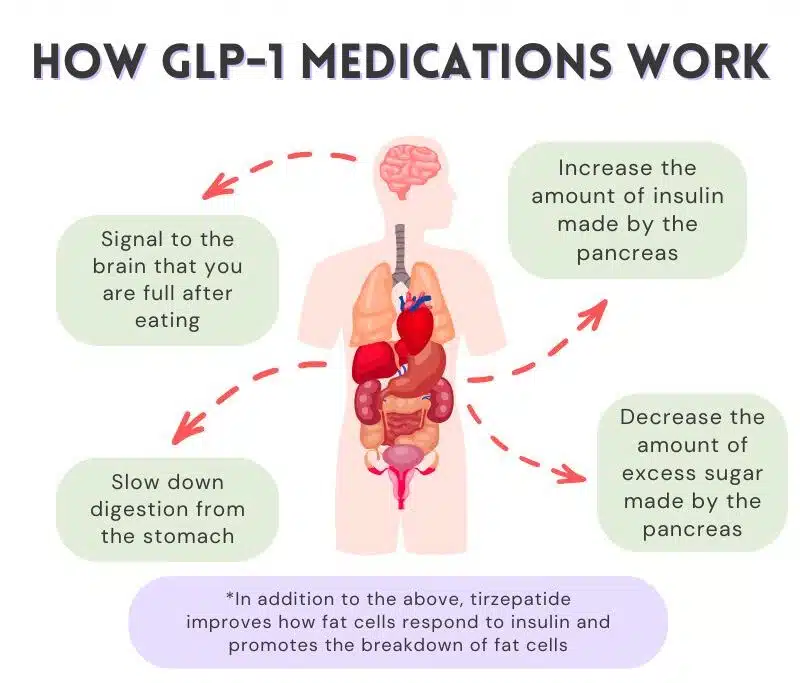
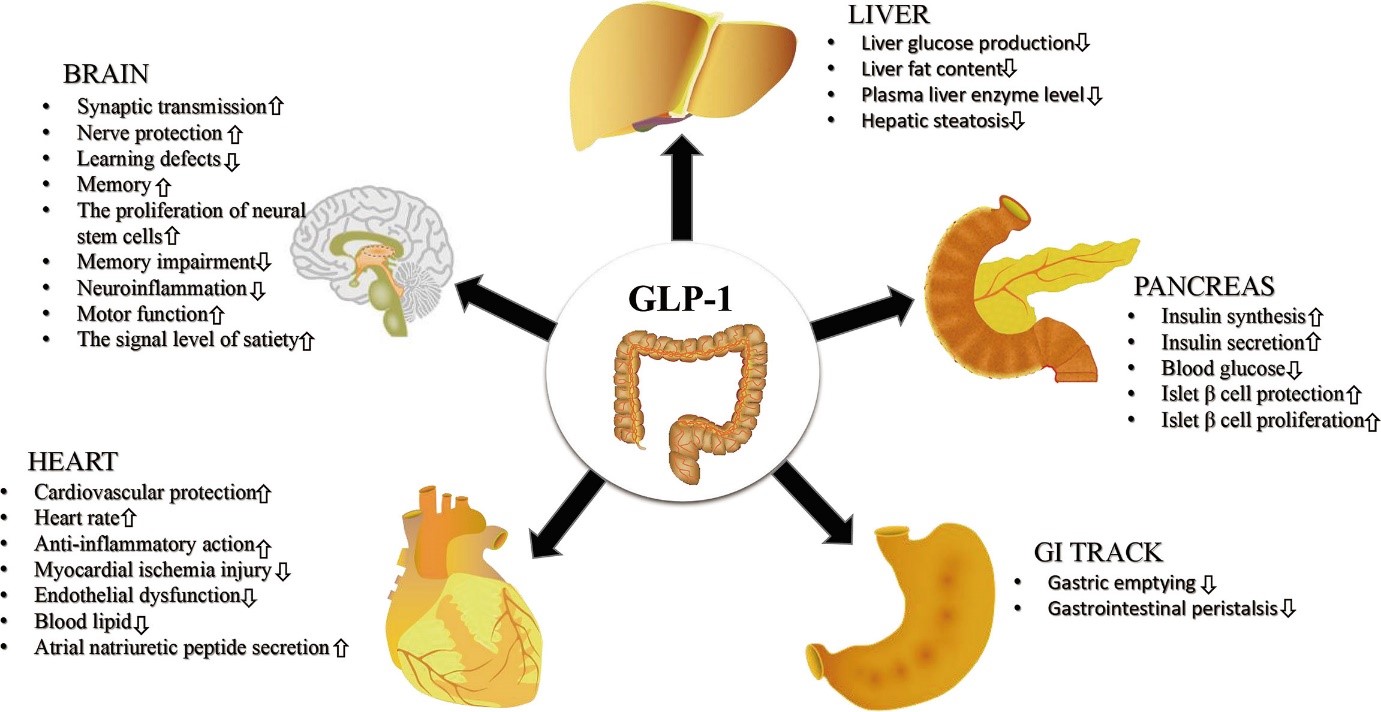
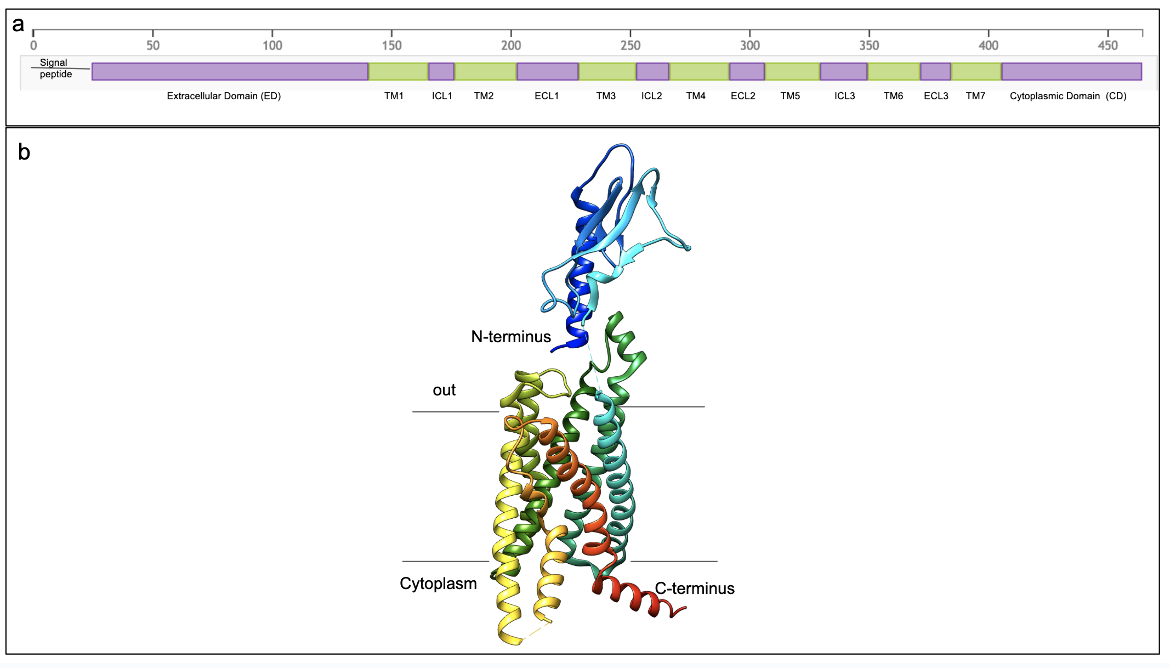
GLP-1 receptor agonists, also known as GLP-1 analogues, are synthetic compounds designed to mimic the actions of endogenous GLP-1. These agents activate the GLP-1 receptor, leading to increased glucose-dependent insulin secretion, reduced glucagon levels, and enhanced beta-cell proliferation. The GLP-1 system has significant implications for metabolic control, and GLP-1 analogues have revolutionized the treatment of T2DM.
Structural Modifications of GLP-1 Analogues

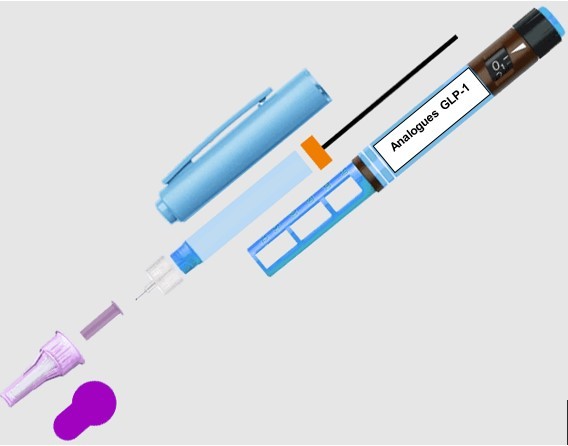
Researchers have employed various structural modifications to extend the half-life of GLP-1 analogues and enhance their therapeutic window. These include the conjugation of fatty acids or hydrophobic groups to the protein backbone, creation of peptidomimetics, and design of long-acting analogues through modifications of the C-terminal helix. The advent of these structural modifications has enabled the development of long-acting GLP-1 analogues with sustained therapeutic effects.
Regulation of GLP-1 Synthesis
The regulation of GLP-1 synthesis is a crucial aspect of GLP-1 biology. The proglucagon gene encodes a protein that undergoes proteolytic cleavage to produce GLP-1. The enteroendocrine cells in the small intestine, α cells of the pancreas, and neurons in the brainstem all contribute to GLP-1 production. Regulation of this process can be achieved through various mechanisms, including transcriptional control of the proglucagon gene, post-translational modifications of the GLP-1 precursor, and feedback inhibition by glucagon.