Unraveling the Mystery of Leptin Resistance and GLP-1: Understanding the Connection
Glucagon-like peptide-1 receptor agonists (GLP-1RAs) have been extensively studied for their ability to ameliorate obesity. However, the mechanisms linking GLP-1RAs and leptin resistance remain unclear. In this article, we will delve into the relationship between leptin resistance and GLP-1, exploring the latest research and findings.
What is Leptin Resistance?
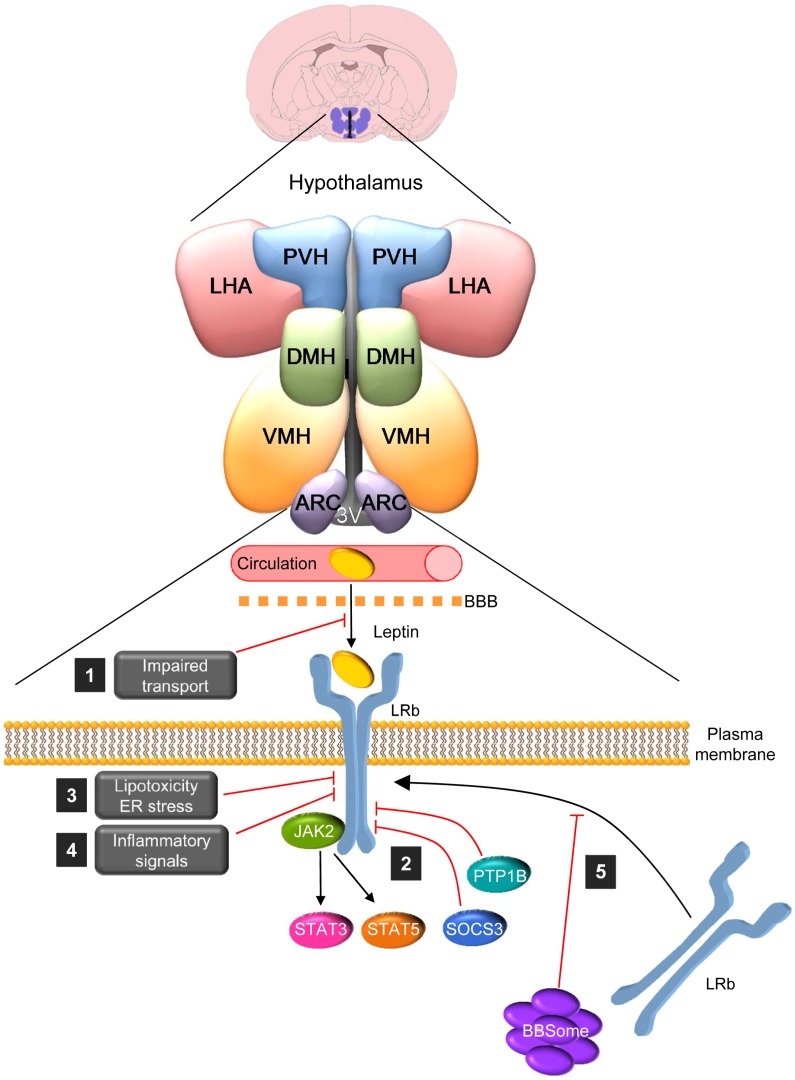
Leptin is a hormone produced by adipose tissue that plays a crucial role in energy balance and metabolism. Leptin resistance occurs when the body becomes less responsive to leptin, leading to impaired glucose regulation, increased hunger, and weight gain. Leptin resistance is a common condition in individuals with obesity and is associated with various metabolic dysfunctions.
GLP-1: A Key Player in Leptin Resistance?

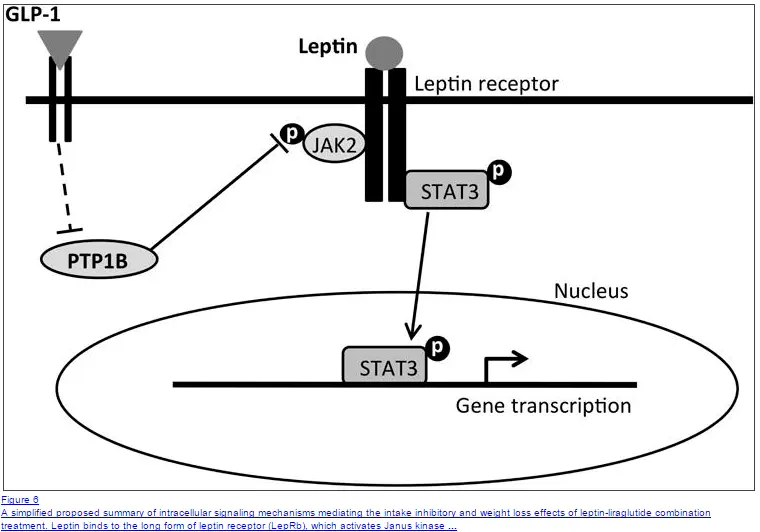
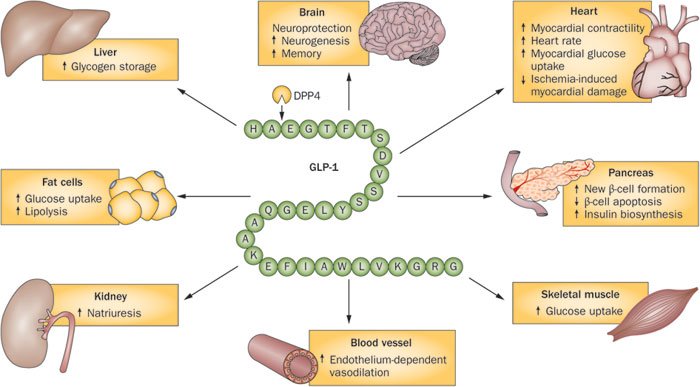
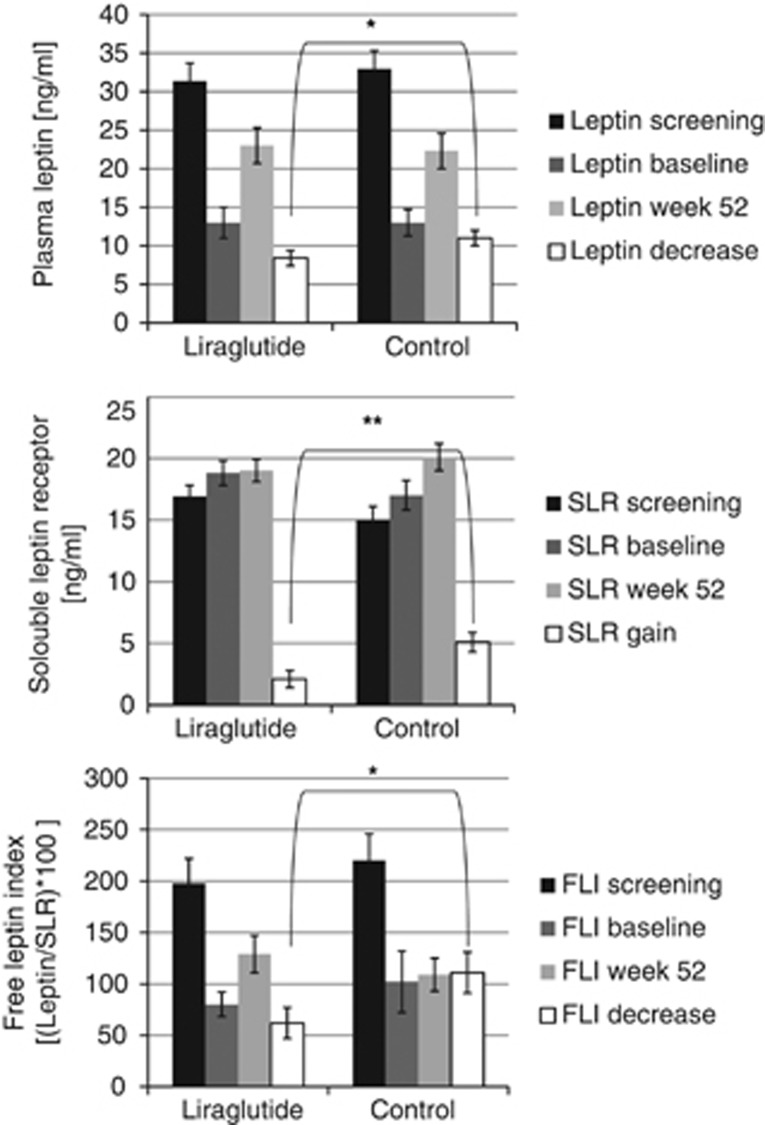
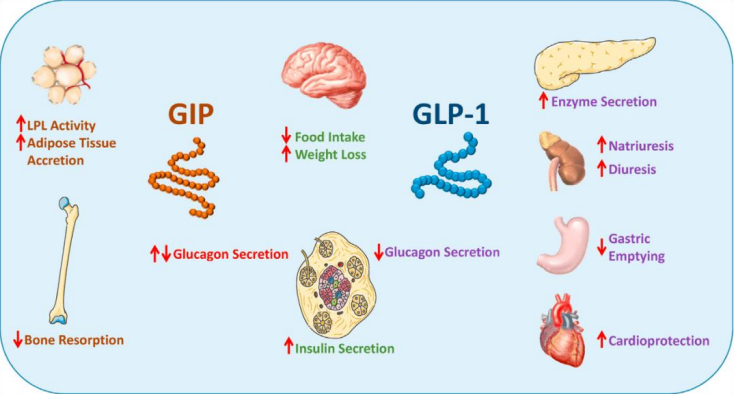
Glucagon-like peptide-1 (GLP-1) is an incretin hormone released from the small intestine after meals. GLP-1 enhances satiety, slows gastric emptying, and stimulates insulin release, working synergistically with leptin. Studies have shown that GLP-1RAs can increase leptin levels and improve insulin sensitivity, suggesting a potential link between GLP-1 and leptin resistance.
The Connection Between Leptin Resistance and GLP-1
Recent studies have revealed that leptin stimulates GLP-1 secretion from rodent and human intestinal L cells. This finding suggests that leptin resistance may contribute to decreased GLP-1 levels, which is often observed in obese individuals. Furthermore, research has shown that GLP-1RAs can restore leptin sensitivity, improving weight loss and metabolic outcomes.