GLP-1 History of Weight Loss: A Comprehensive Review
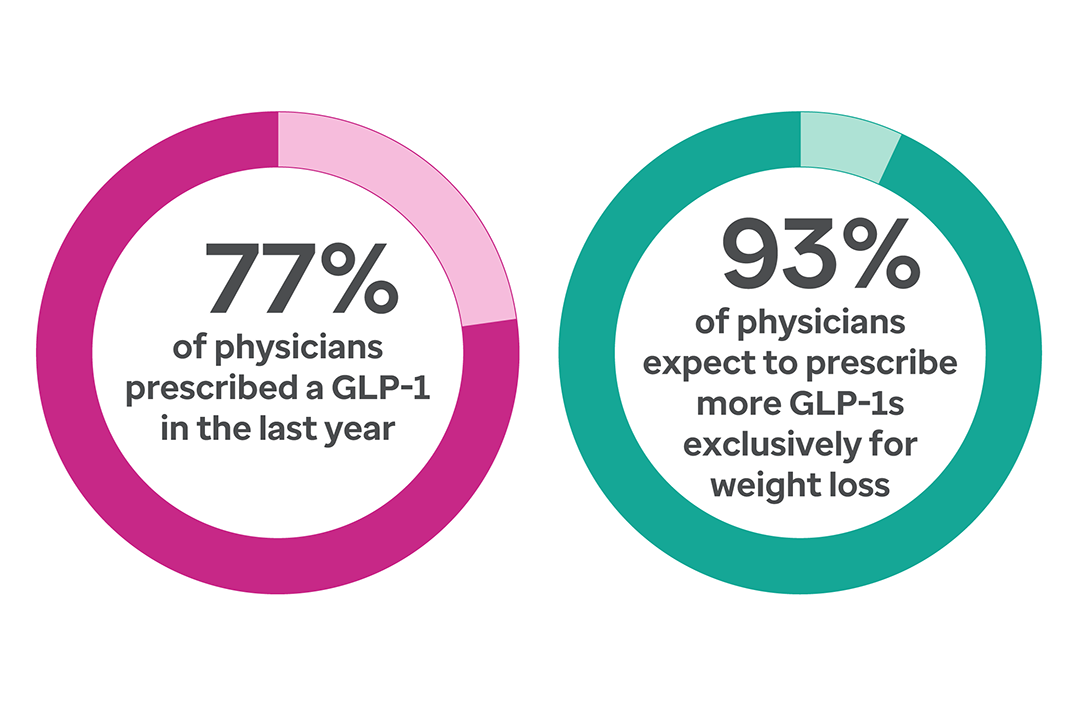
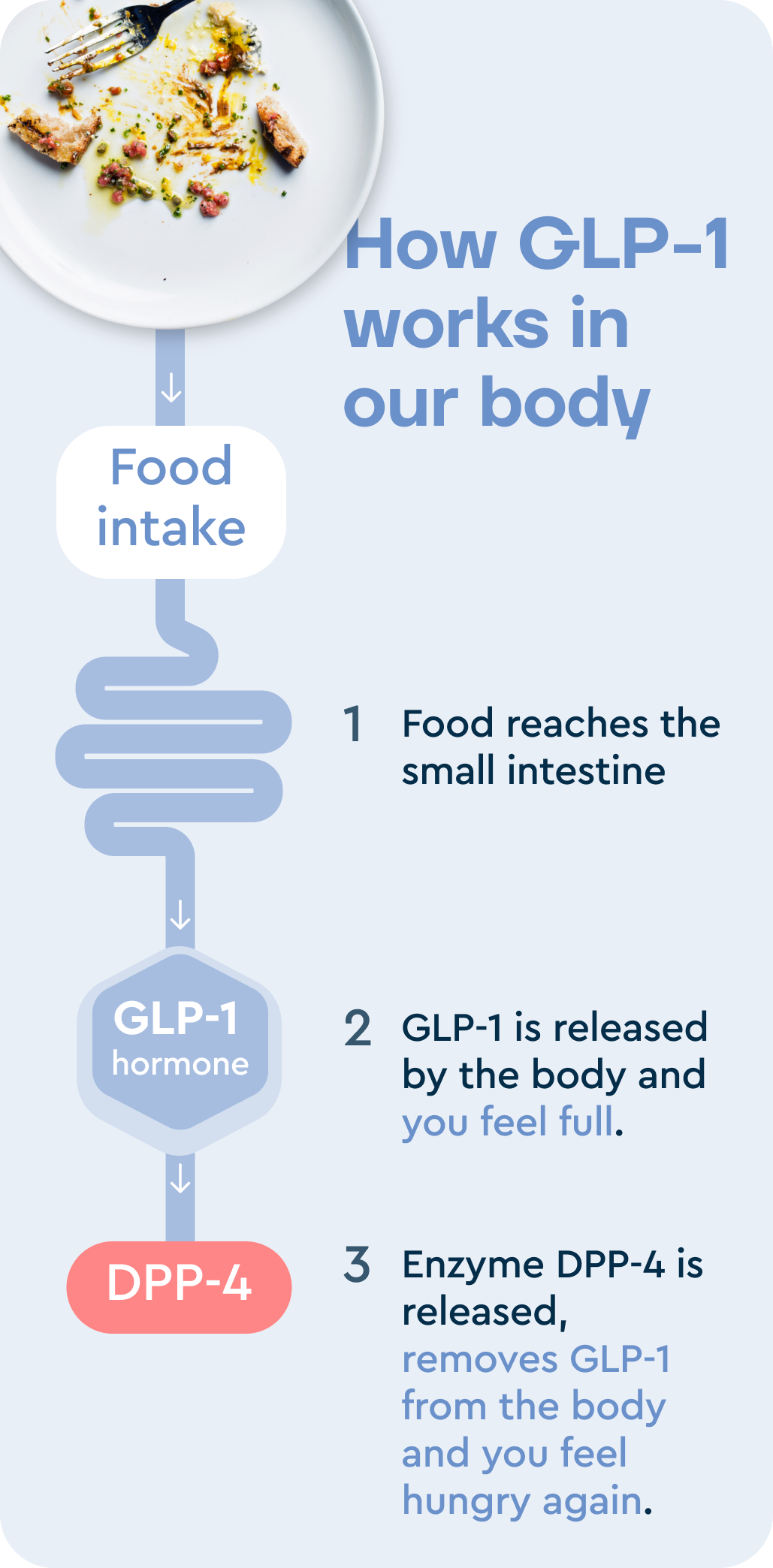
Glucagon-like peptide-1 (GLP-1) receptor agonists have been revolutionizing the approach to managing diabetes and aiding weight loss in recent years. From their origins as type 2 diabetes treatments to their rise as blockbuster weight-loss medications, GLP-1s have become one of the most popular weight loss drugs on the market. In this article, we will delve into the history of GLP-1 as a weight loss treatment, its mechanisms, and its impact on the healthcare industry.
The Origins of GLP-1 as a Type 2 Diabetes Treatment
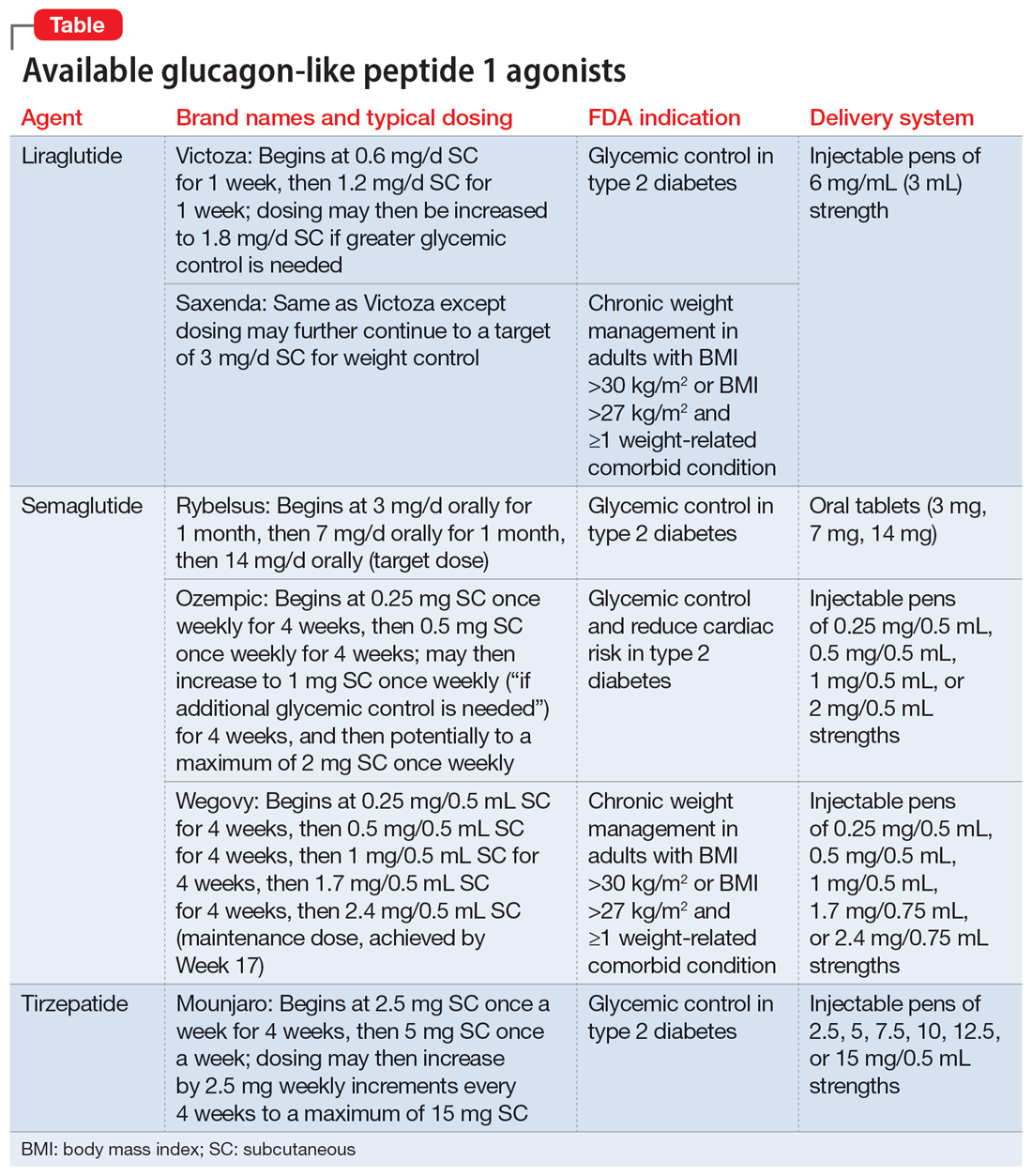
GLP-1 receptor agonists were originally developed to treat type 2 diabetes. These medications work by mimicking the naturally occurring hormone GLP-1, which helps regulate blood sugar levels. The first GLP-1 receptor agonist, exenatide, was approved by the FDA in 2005 for the treatment of type 2 diabetes. Since then, several other GLP-1 receptor agonists have been developed and approved for the treatment of type 2 diabetes, including liraglutide, saxagliptin, and dulaglutide.

The Rise of GLP-1 as a Weight Loss Treatment
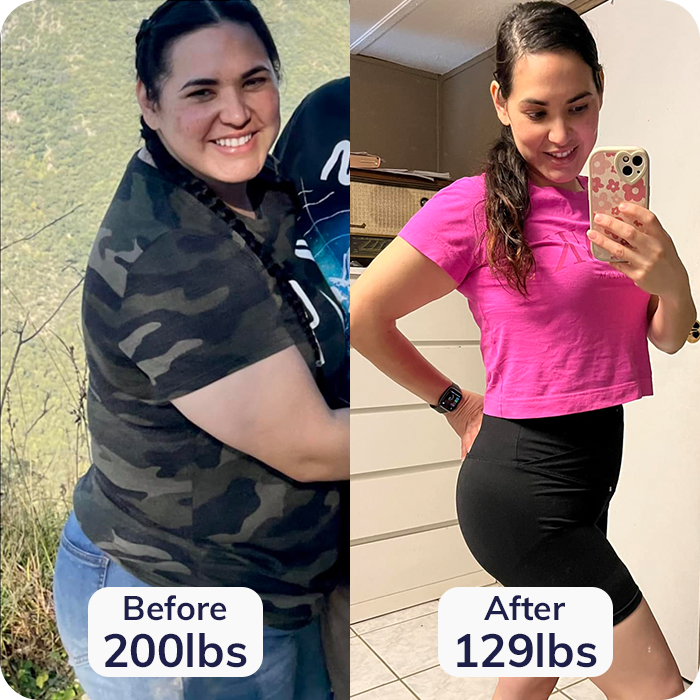
In recent years, GLP-1 receptor agonists have emerged as a treatment for weight loss. Liraglutide, marketed as Saxenda, was the first GLP-1 receptor agonist approved for obesity in 2014. Patients who took liraglutide lost 5-10% of their body weight, which was an improvement over earlier weight loss drugs. However, liraglutide required daily injections and was expensive, with a cost of over $1,000 a month.








-p-1080.png "Get GLP-1s for Weight Loss Online - GoodRx")