Foundation Stabilization Methods: Ensuring the Stability of Your Home's Base
Aug 25, 2024Foundationstabilizationis a crucial aspect of maintaining the structural integrity of your home. Thefoundationsupports the entire building, and any instability can lead to severe problems such as cracks, uneven floors, and even collapse in extreme cases. This blog will explore various techniques, materials, and considerations for foundationstabilization, ensuring your home remains safe and secure for years to come.
The Importance of Foundation Stabilization
Foundationsare built to carry thousands of pounds. When the soil beneath shifts, erodes, or settles, it can put tremendous pressure on the foundation, leading to cracks, uneven floors, and other structural issues. Neglecting to address these problems can lead to costly repairs down the line. Foundation stabilization involves introducing additional support or repairing damaged areas to restore structural integrity and prevent further damage.

Types of Foundation Repair Methods
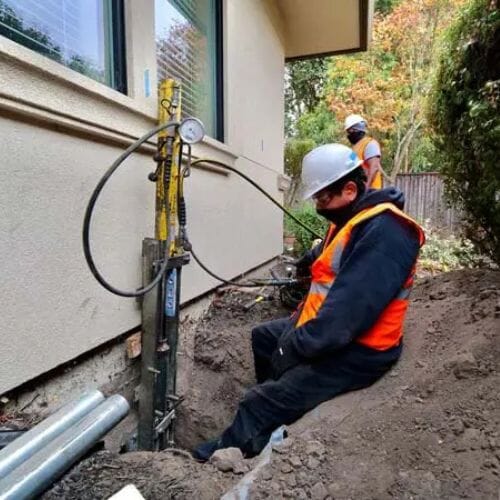
There are several foundationstabilizationmethods, each suited for different types of foundation damage. Some of the most common techniques include:
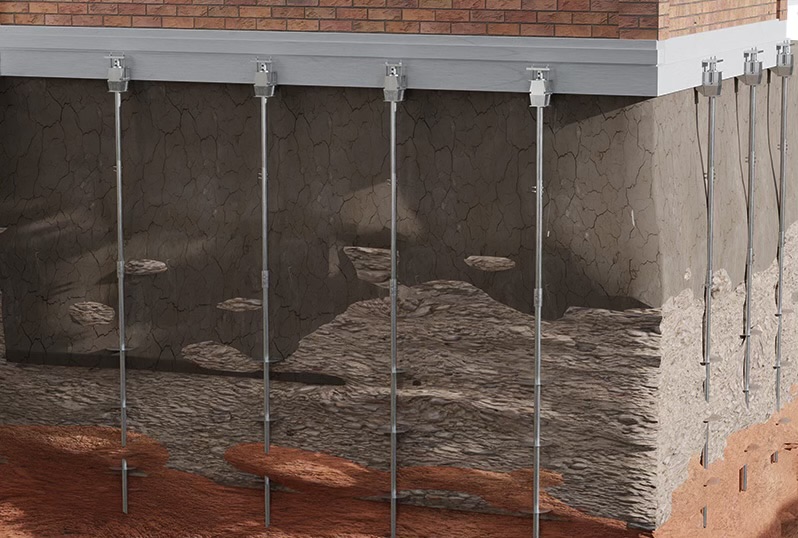
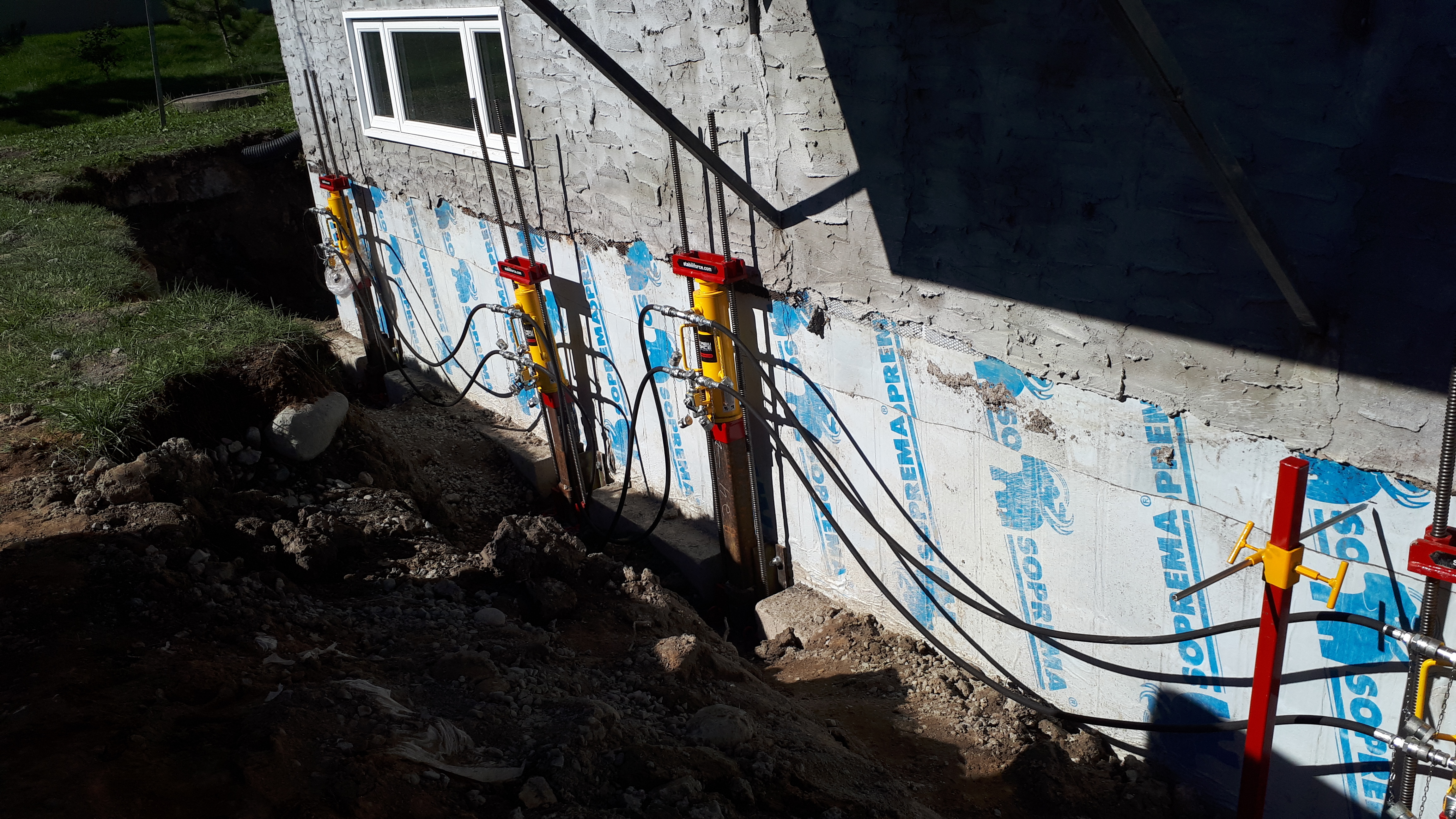
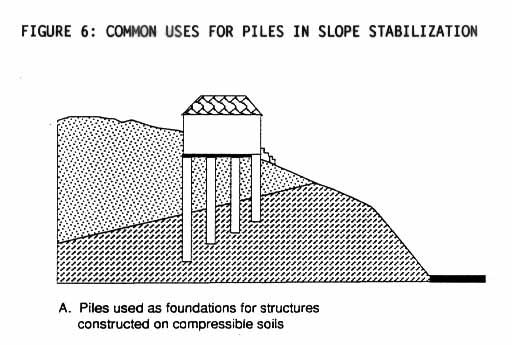
- Underpinning: This method involves installing new piers or footings to transfer the weight of the foundation to more stable soil layers underneath.
- Helical Piers: These shallow, spiral-shaped piers are installed to provide deep, permanent support to the foundation and surrounding soil.
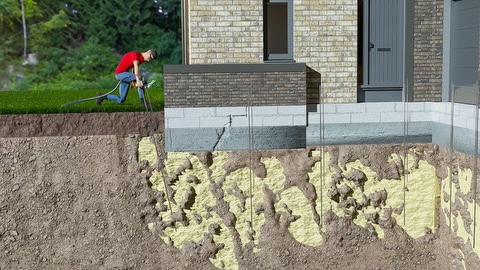
- Slab Jacking: a process that involves injecting a high-pressure material under the slab to lift and level it.
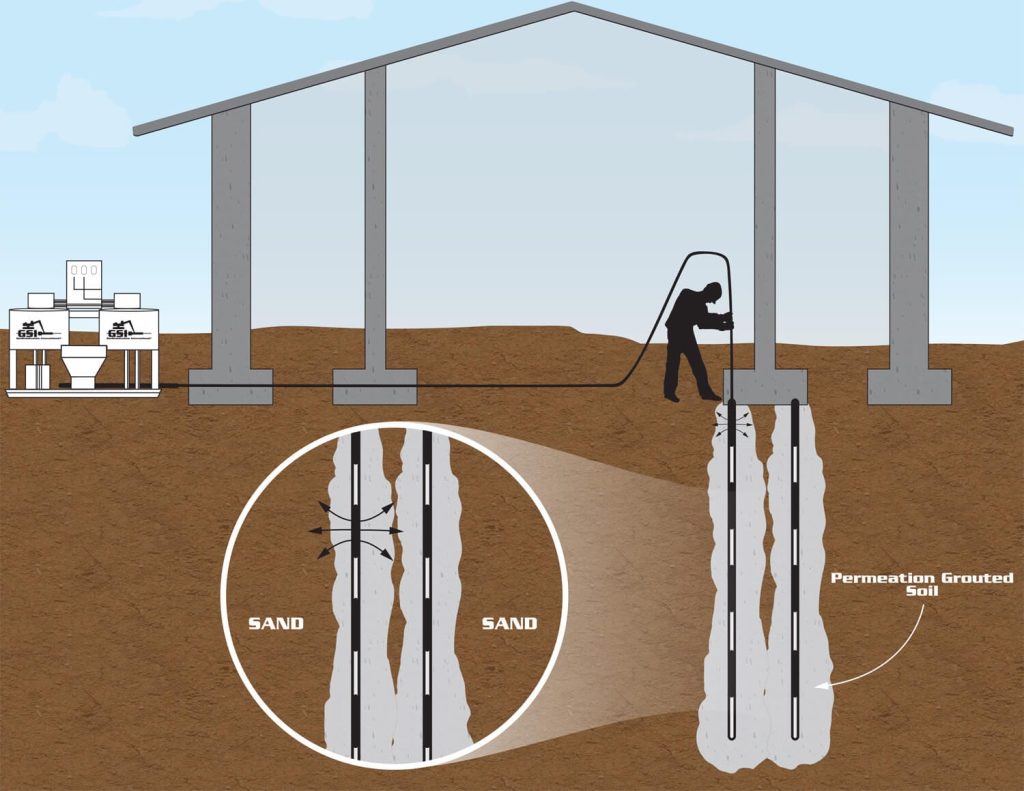
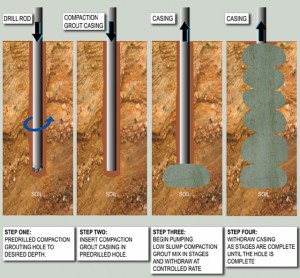
- Concrete Grout Injection: This method uses a special grout to fill cracks and voids in the foundation, providing added stability and strength.