Unveiling the Hidden Truth: Subconscious AI Bias Research
Artificial intelligence (AI) has revolutionized numerous industries, from healthcare and finance to transportation and education. However, beneath its surface-level brilliance lies a more insidious reality – subconscious AI bias. This phenomenon has far-reaching implications, threatening to undermine the trust and accuracy that AI is meant to provide. In this article, we'll delve into the complex world of subconscious AI bias research, exploring its causes, consequences, and potential solutions.
The Origins of Subconscious AI Bias
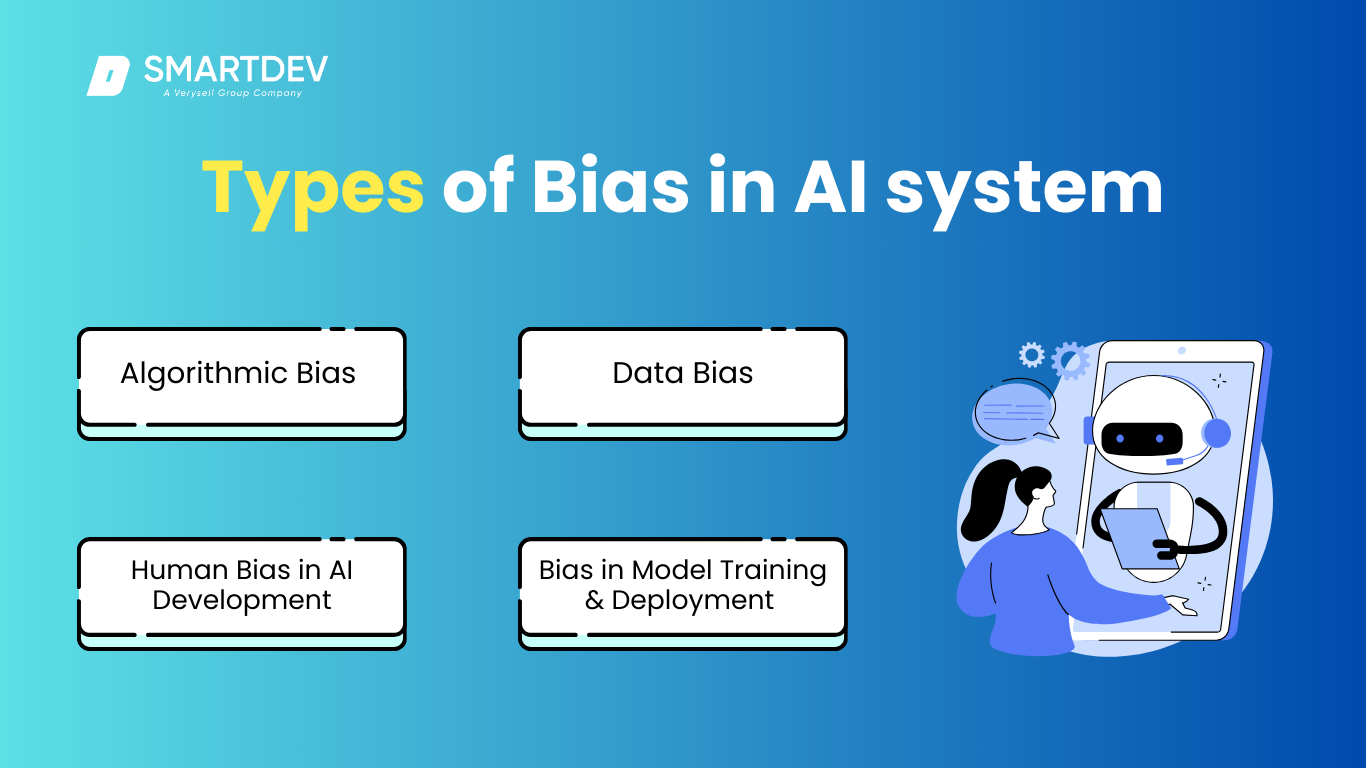
Bias in AI isn't just baked into the training data; it's shaped by us and embedded in the broader ecosystem of human-AI interaction. This cognitive bias emerges from the dynamic interplay between human values, social norms, and AI's algorithmic decision-making processes. According to researchers, the synergy of humans and machines seems imperative to make AI work, but the significant impact of human and societal factors on AI bias is currently overlooked.
The Human Factor: A Source of Subconscious AI Bias
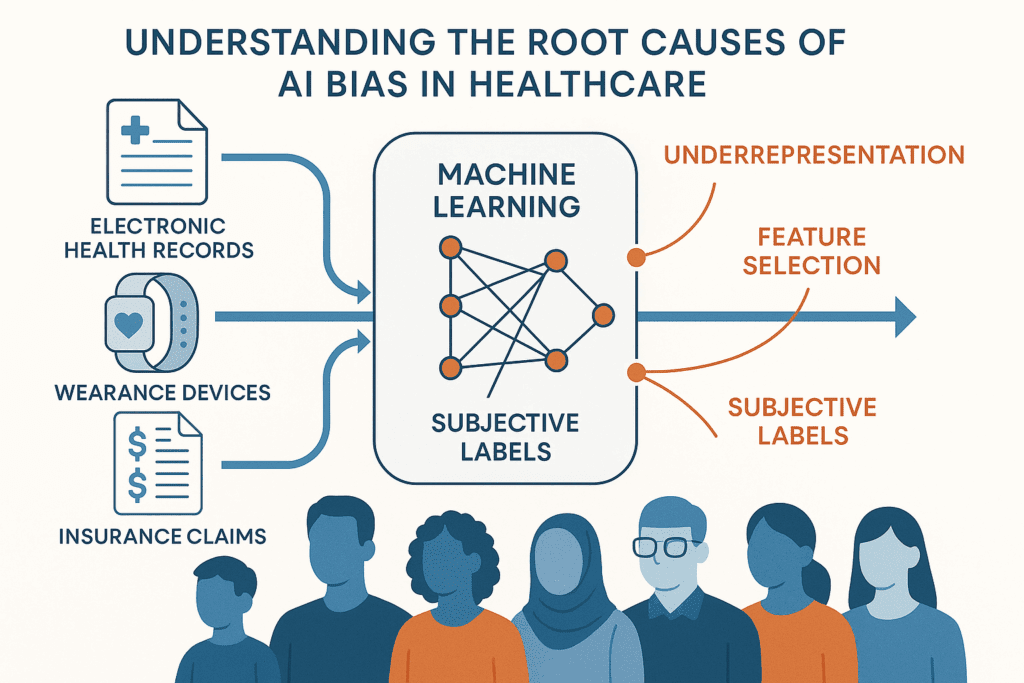
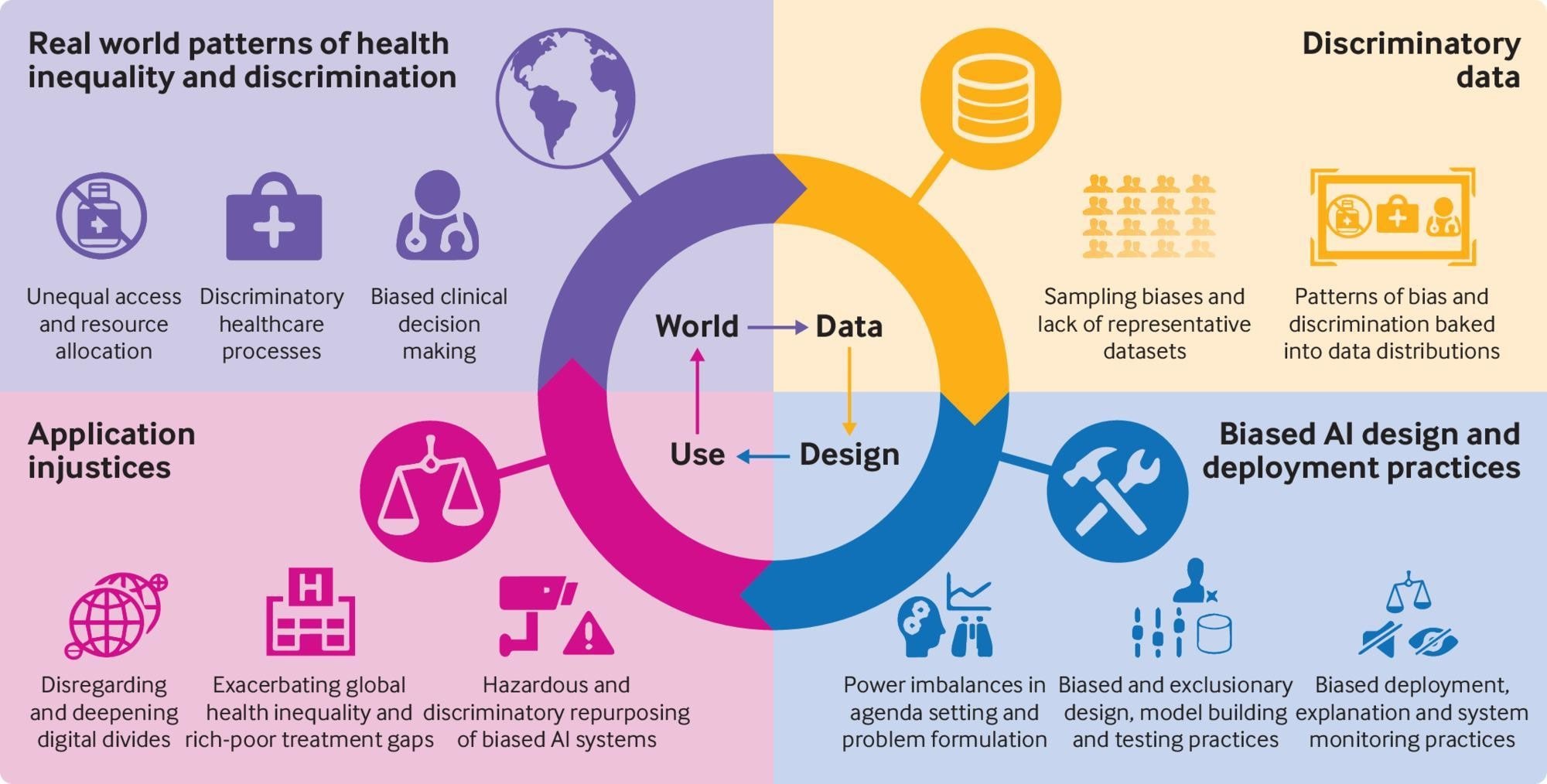
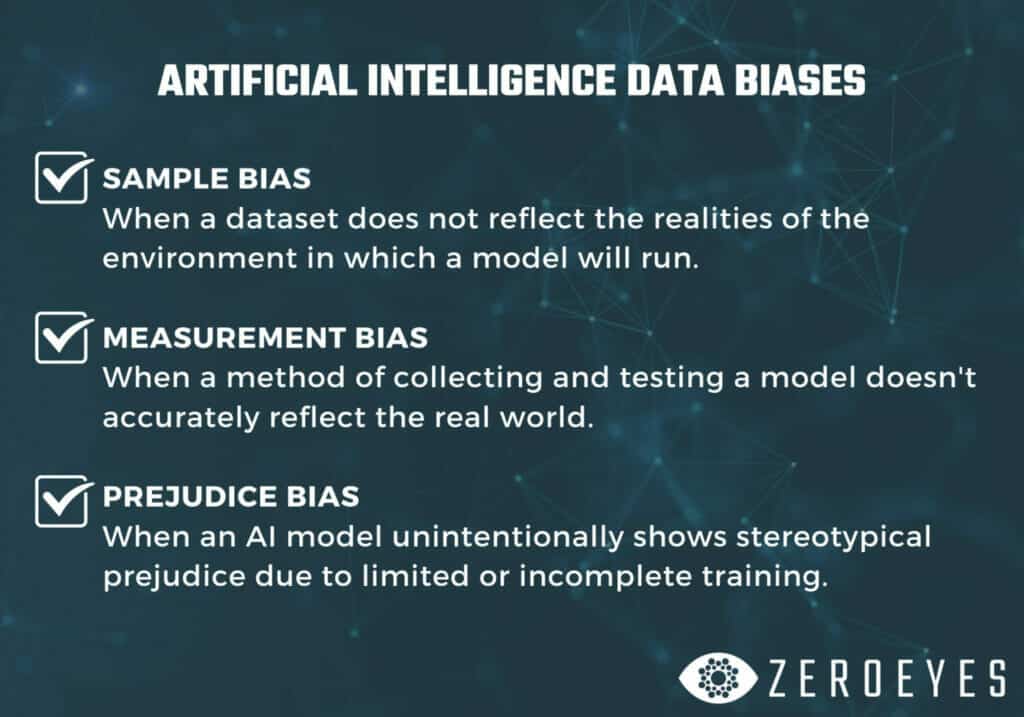
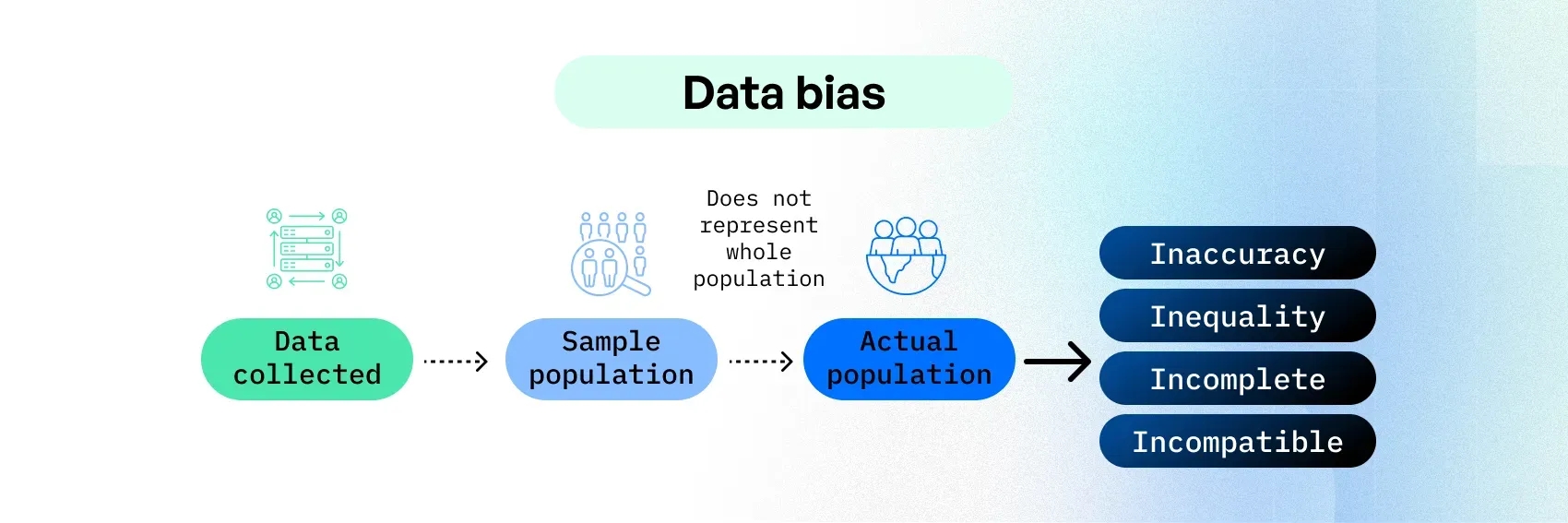
Humans are inherently biased, and these biases can seep into AI systems through various channels. One of the primary sources of subconscious AI bias is the data used to train AI models. When this data is curated by humans, their biases and assumptions can inadvertently shape the AI's perception of reality. Moreover, the way we interact with AI systems – through input data, feedback, and decision-making processes – can also influence the development of AI bias.