Spontaneous Glucose Lowering by GLP-1: A Comprehensive Review
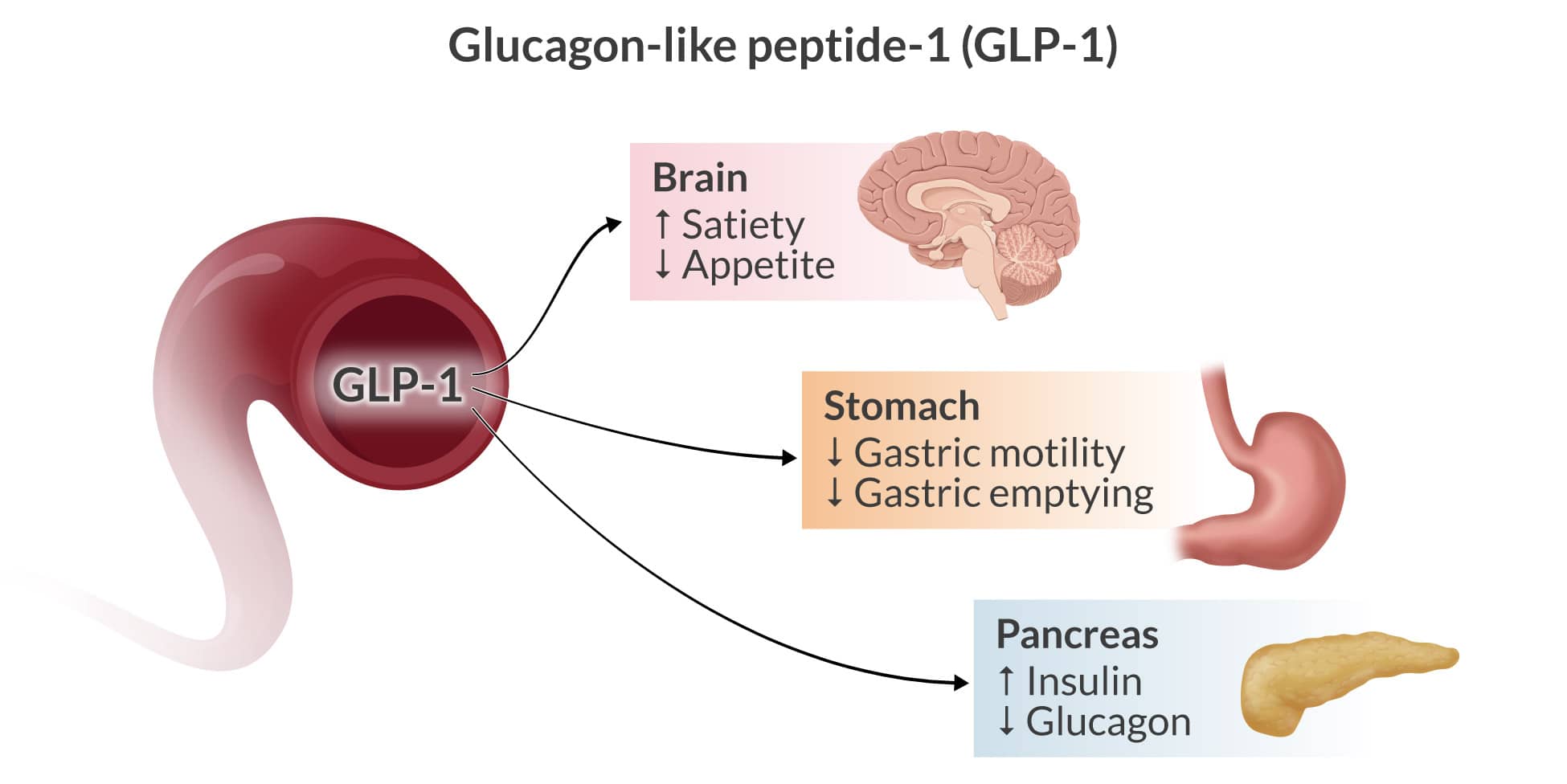
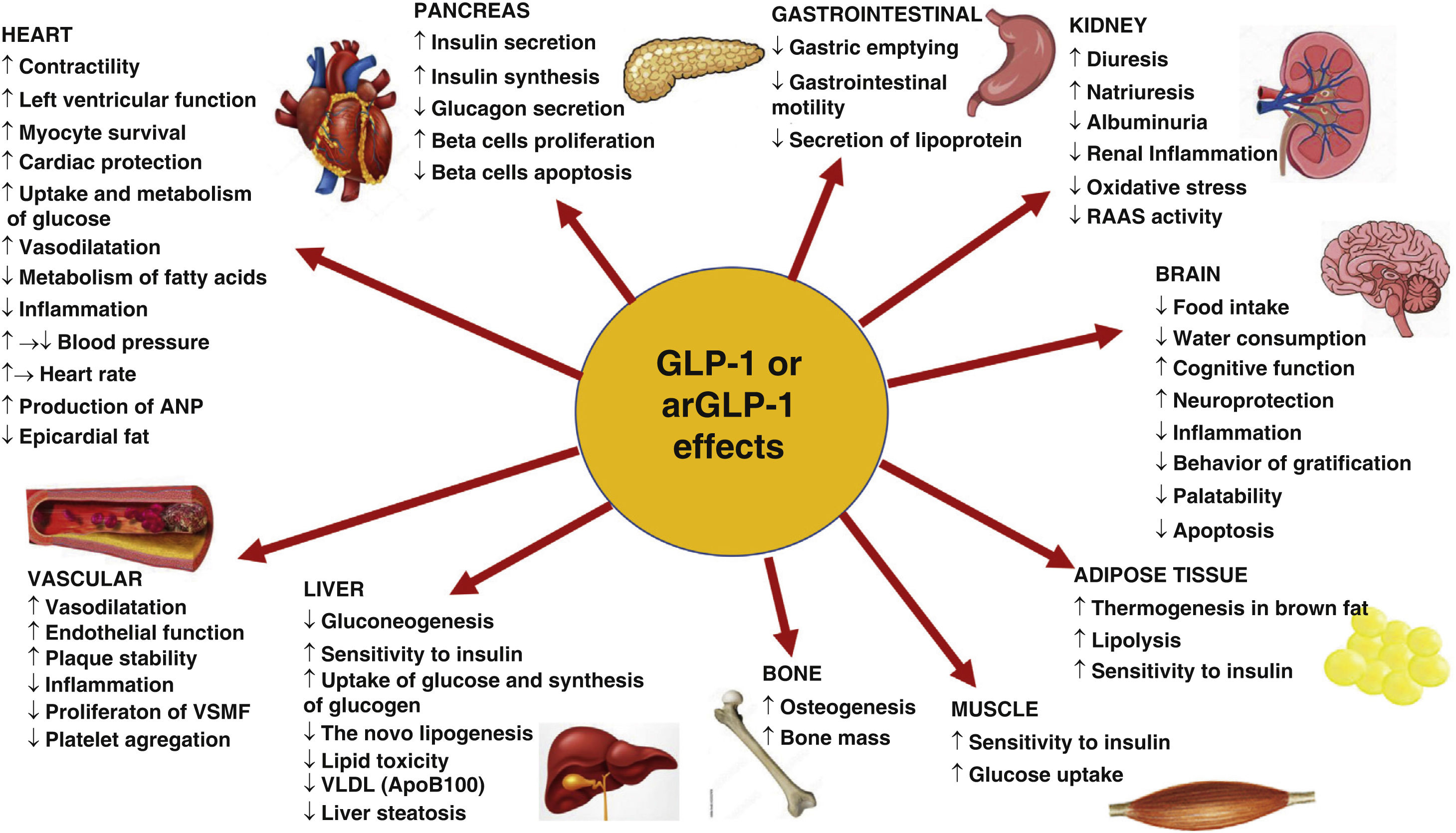
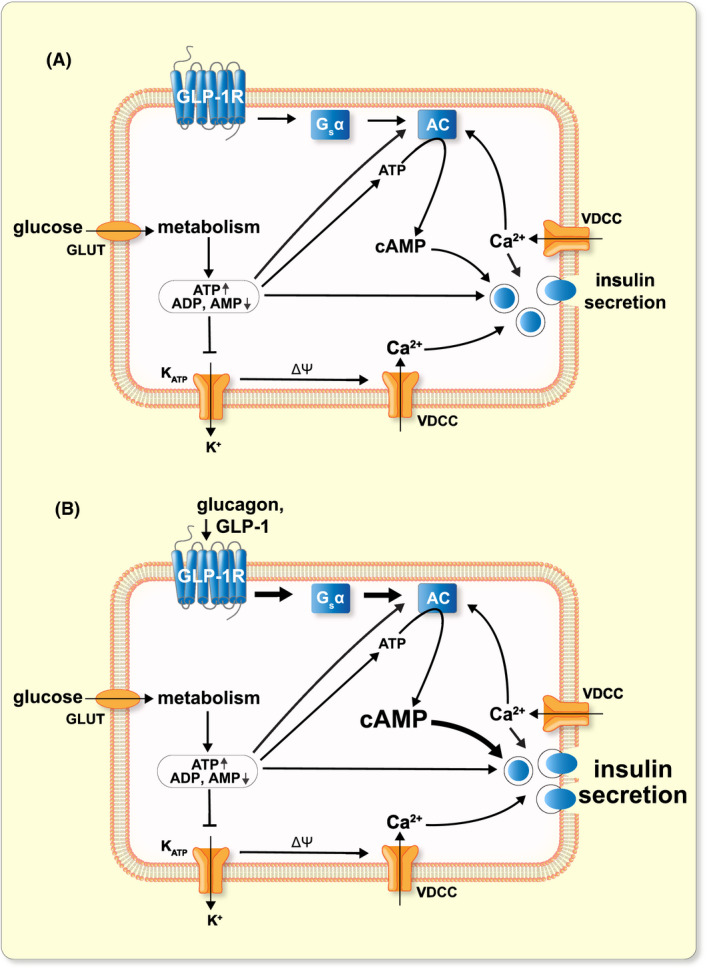
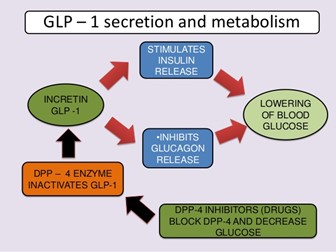
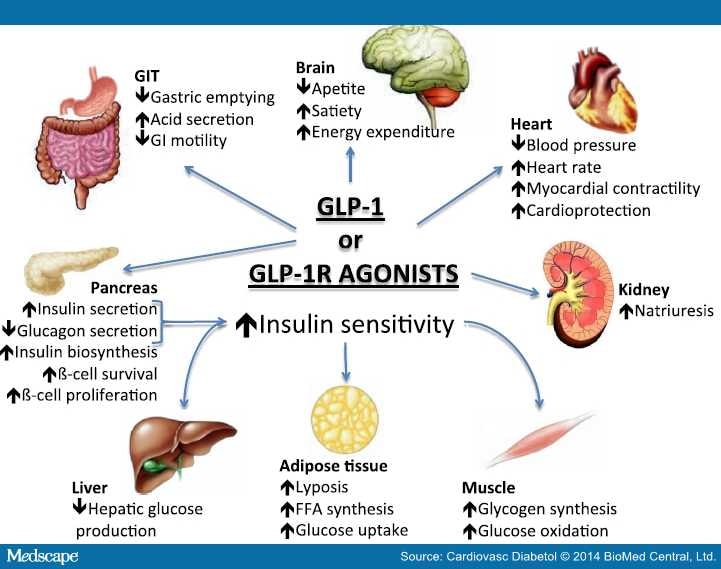
Glucagon-like peptide-1 (GLP-1) is a potent hormone involved in the regulation of blood glucose levels. Secreted from the intestinal lining in response to food intake, GLP-1 plays a crucial role in maintaining blood sugar balance by enhancing insulin release, suppressing glucagon secretion, and slowing gastric emptying. This article delves into the physiological mechanisms underlying spontaneous glucose lowering by GLP-1, its therapeutic applications, and the latest research on GLP-1 receptor agonists.
The Physiology of GLP-1: A Hormone with Multiple Functions
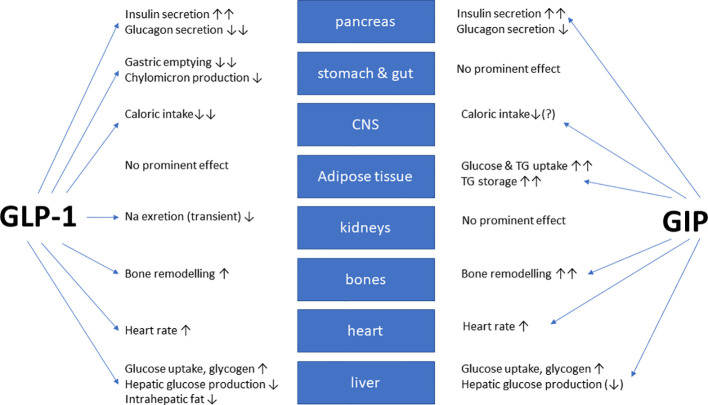
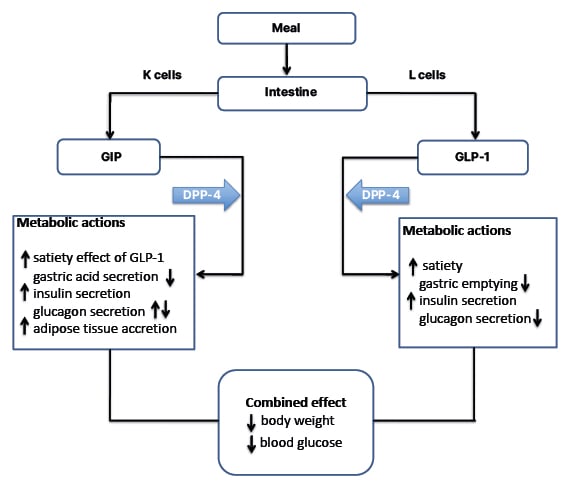
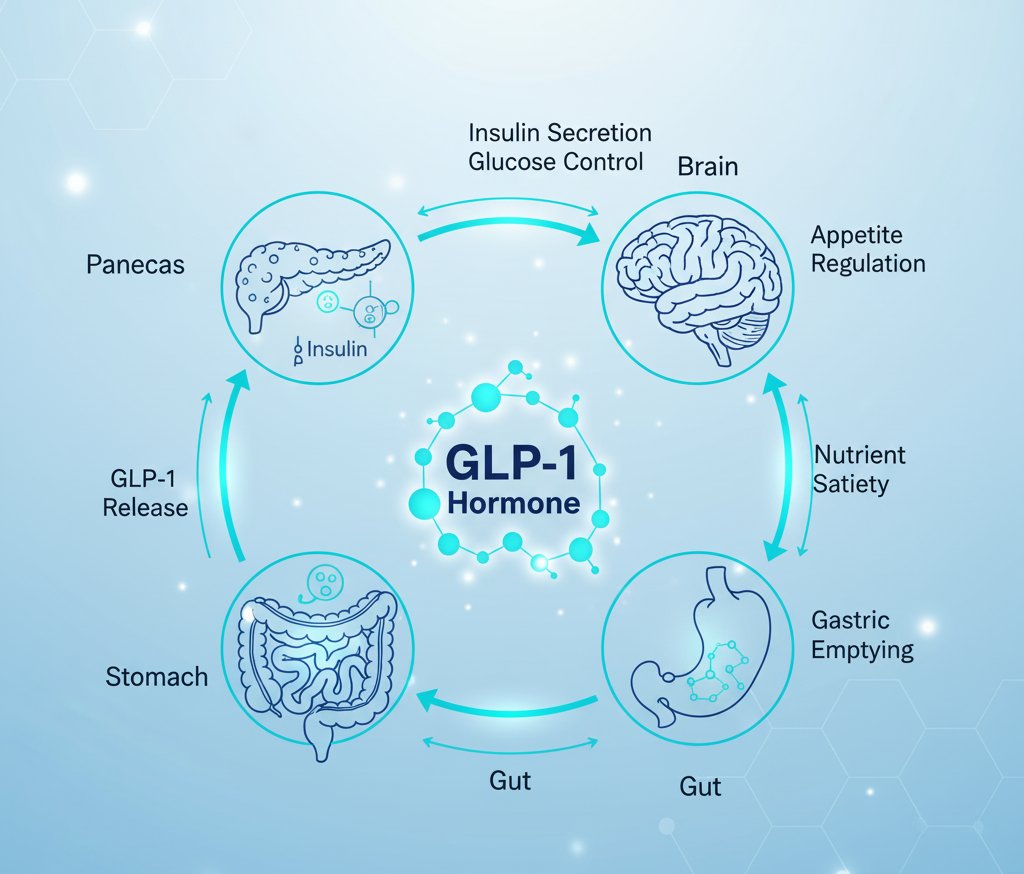
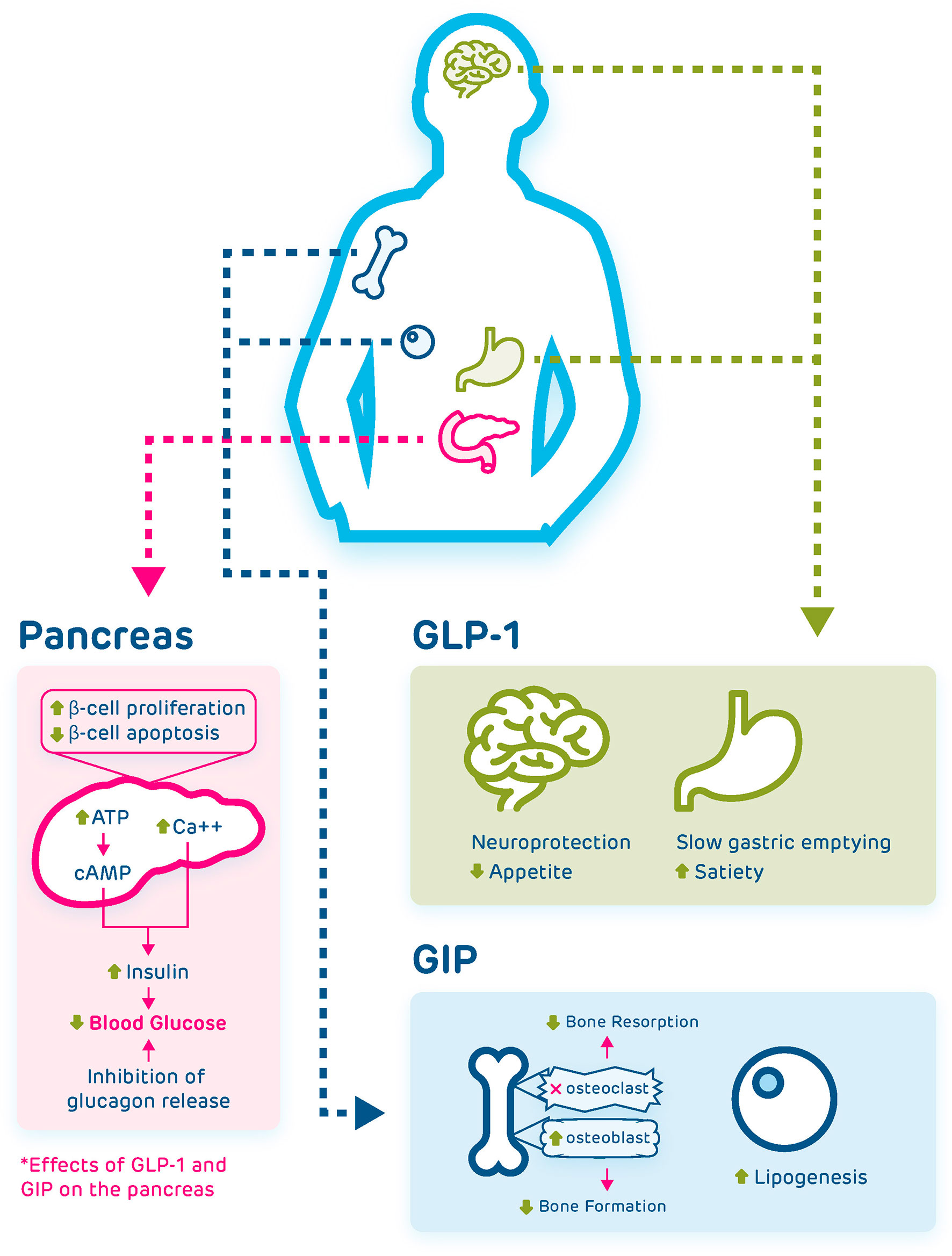
- Secreted from L cells in the intestinal lining in response to nutrient intake
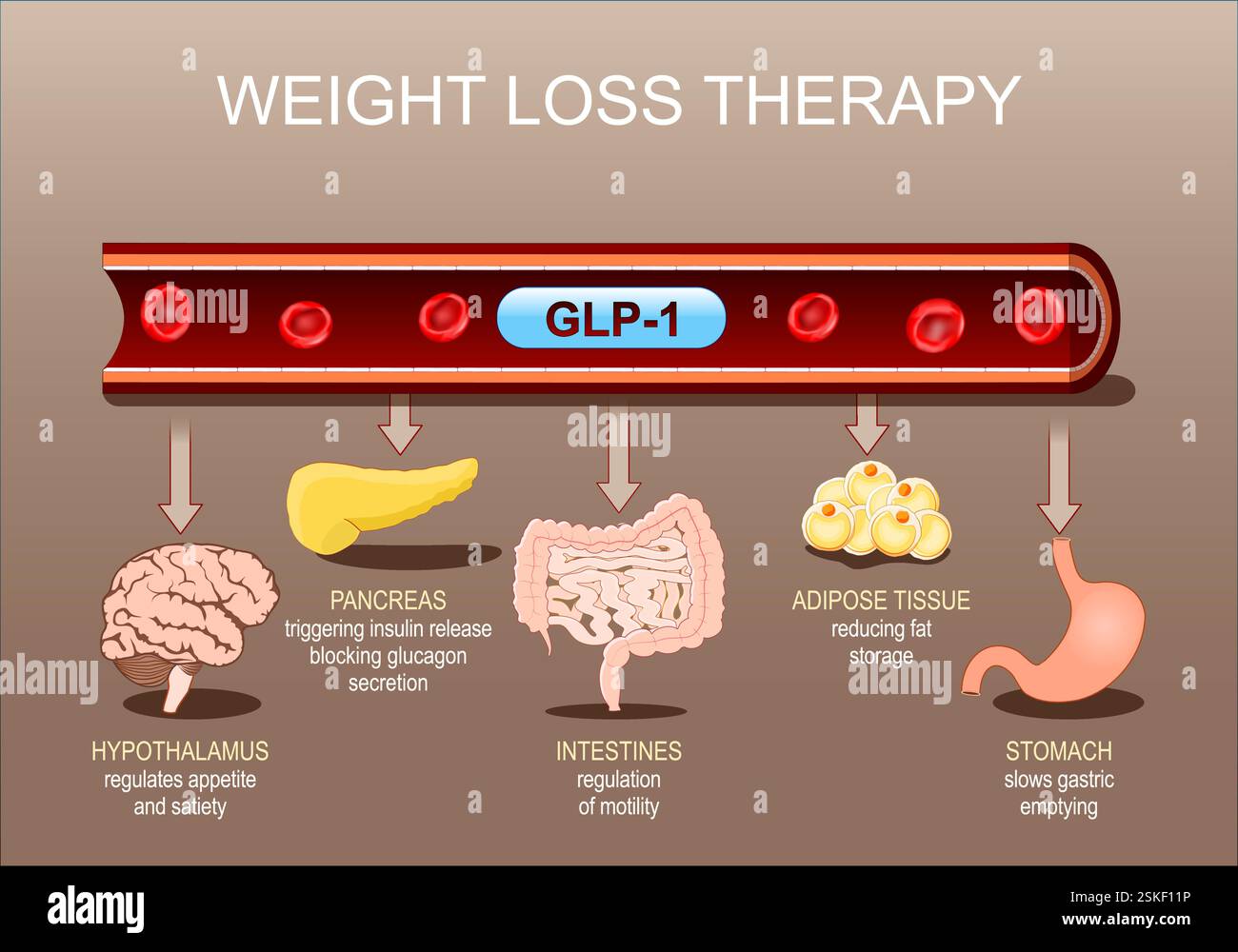
- Activates insulin release from pancreatic beta cells, enhancing glucose uptake by tissues
- Suppresses glucagon secretion, reducing glucose production in the liver
- Slows gastric emptying, reducing postprandial glucose peaks
- Contributes to appetite regulation and satiety
Therapeutic Applications of GLP-1: A Revolution in Diabetes Treatment
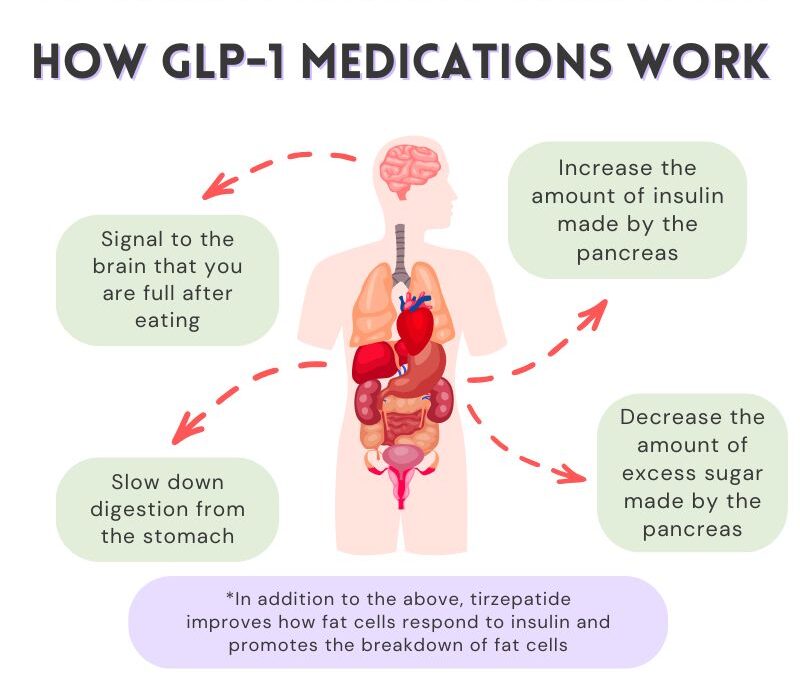
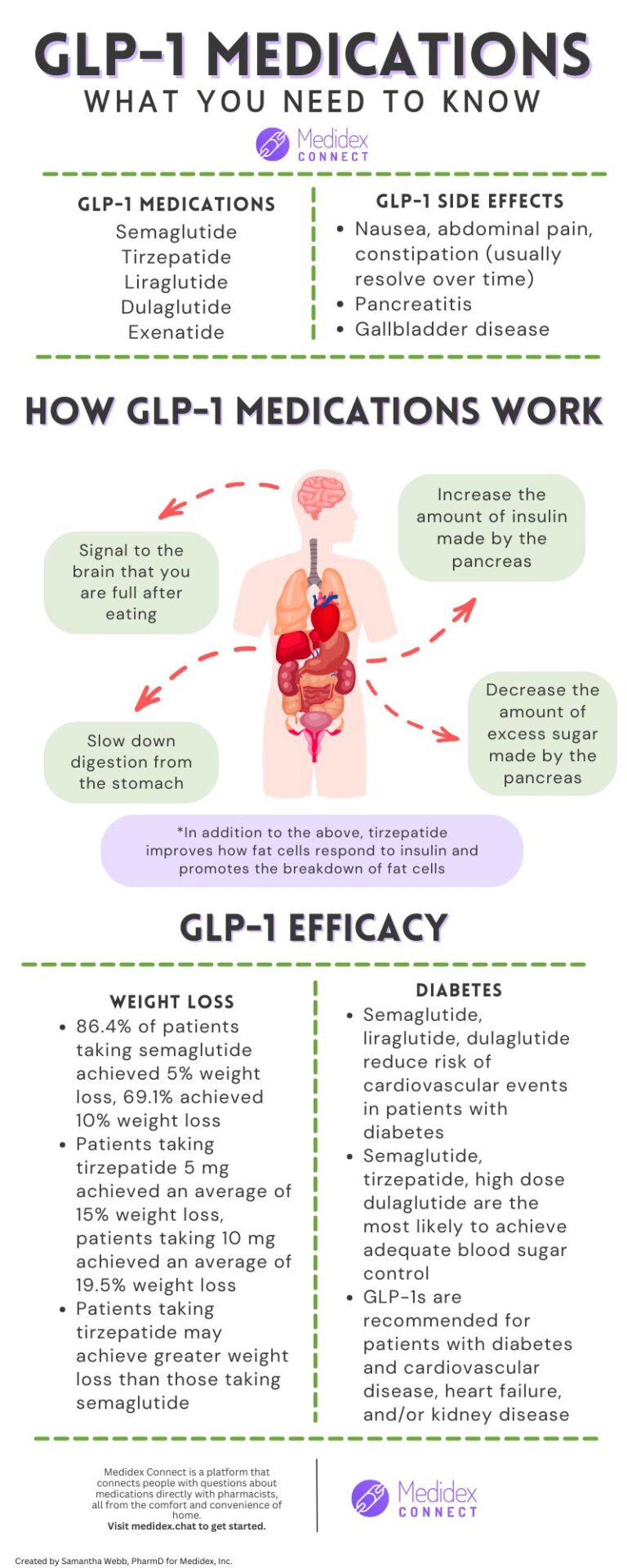
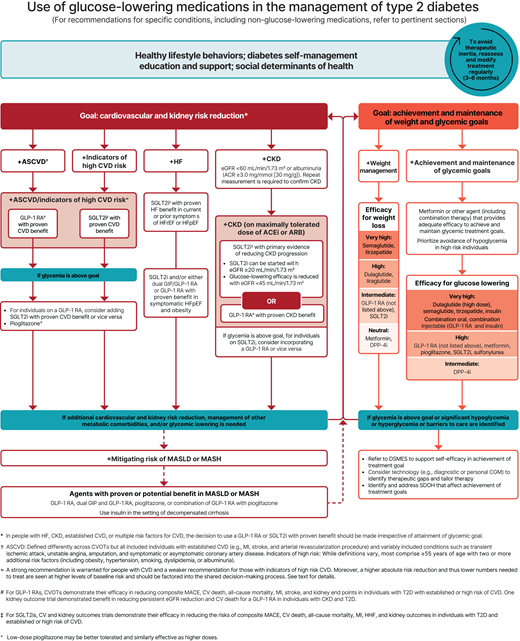
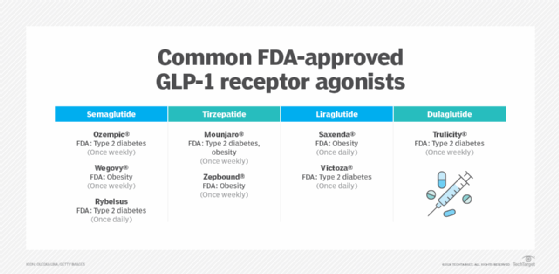
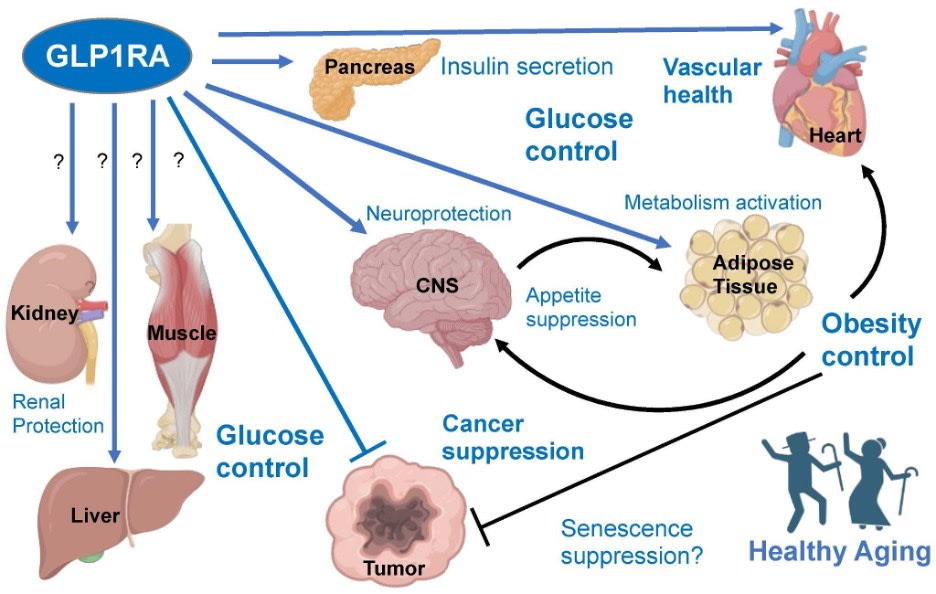
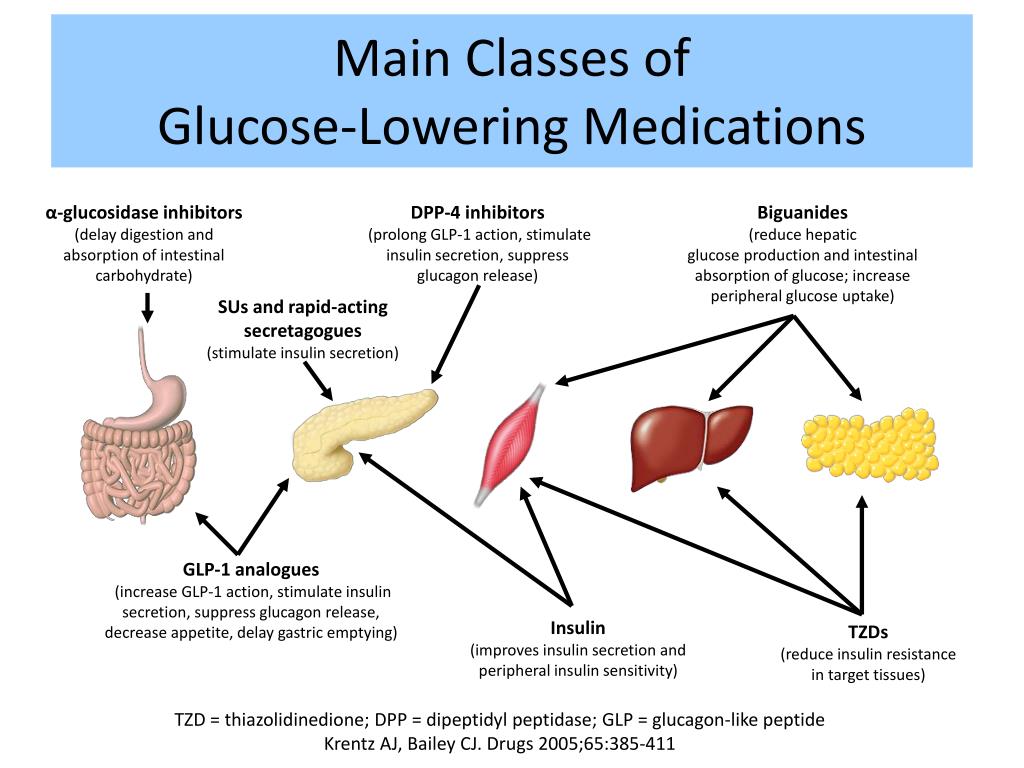
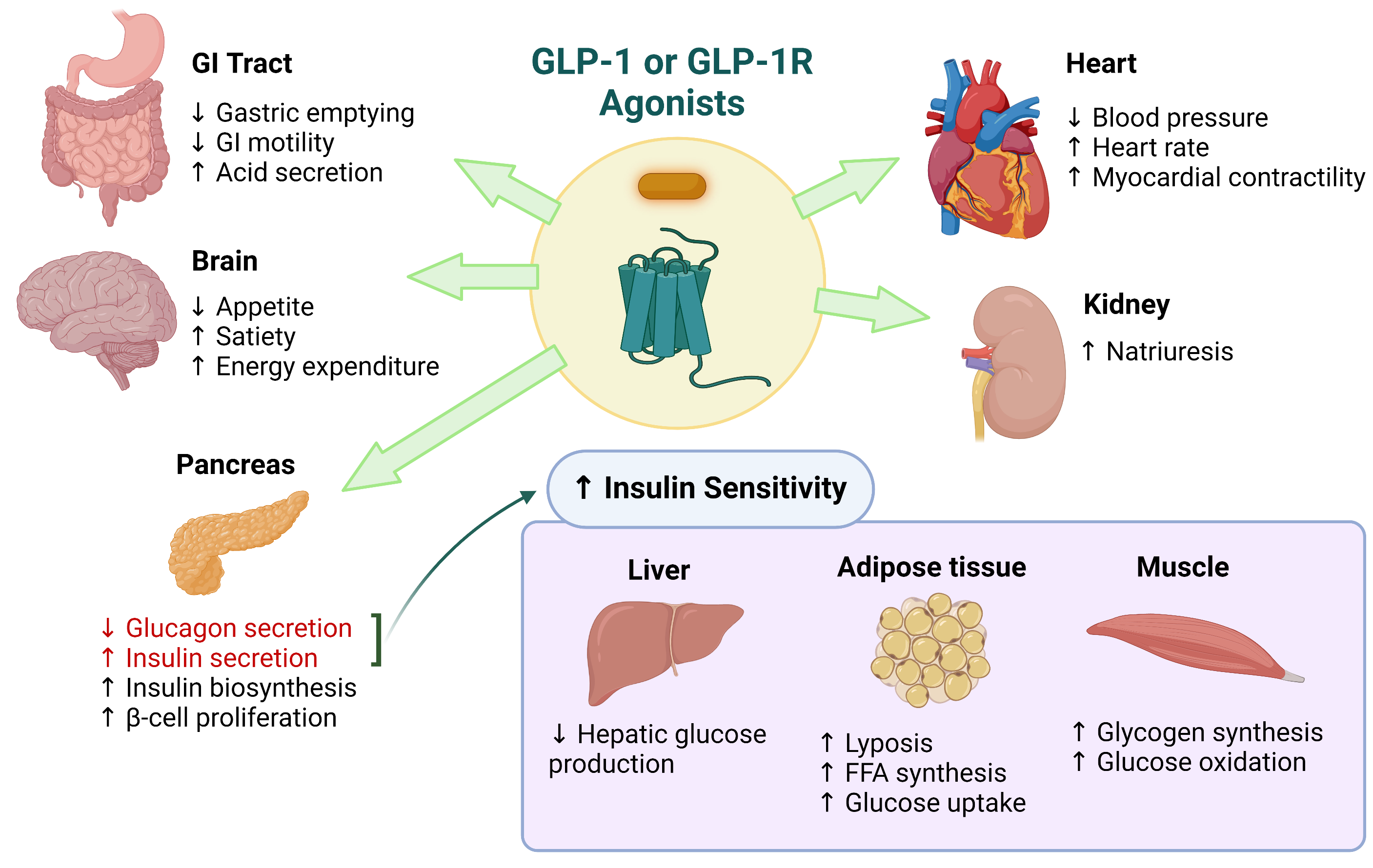
GLP-1 receptor agonists have transformed the treatment of type 2 diabetes, offering a viable alternative to traditional insulin secretagogues. These injectable medications mimic the action of GLP-1, enhancing insulin release, suppressing glucagon secretion, and slowing gastric emptying. Studies have demonstrated that GLP-1 receptor agonists effectively lower hemoglobin A1c (HbA1c) levels, with some agents also inducing significant weight loss.