SGLT2 vs GLP-1 Weight Loss: A Comprehensive Comparison
For individuals navigating type 2 diabetes, prediabetes, or weight loss, glucagon-like peptide-1 receptor agonists (GLP-1RAs) and sodium-glucose cotransporter 2 inhibitors (SGLT-2is) are two of the most effective and widely discussed treatment options available.
Understanding GLP-1 Receptor Agonists and SGLT-2 Inhibitors
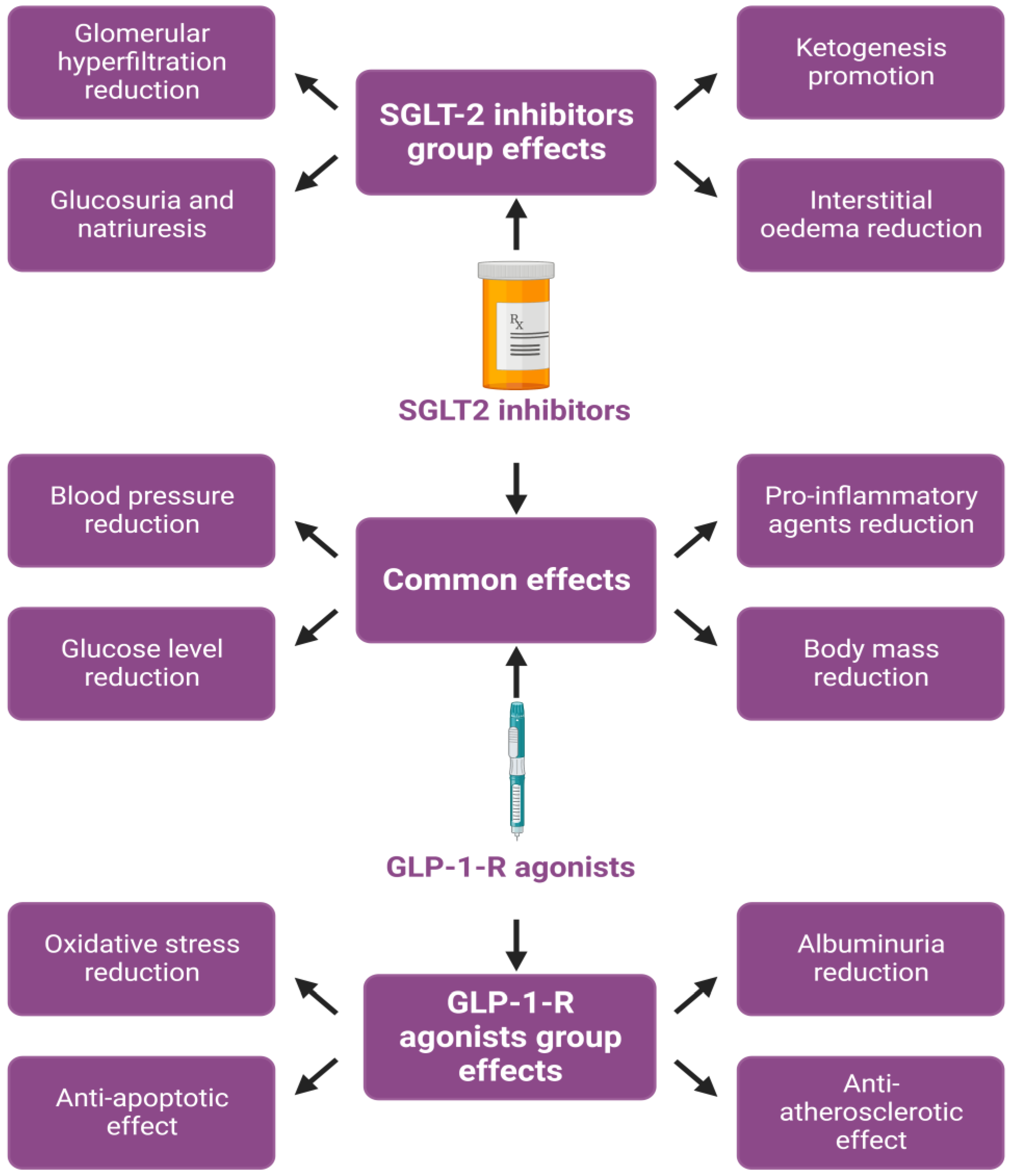
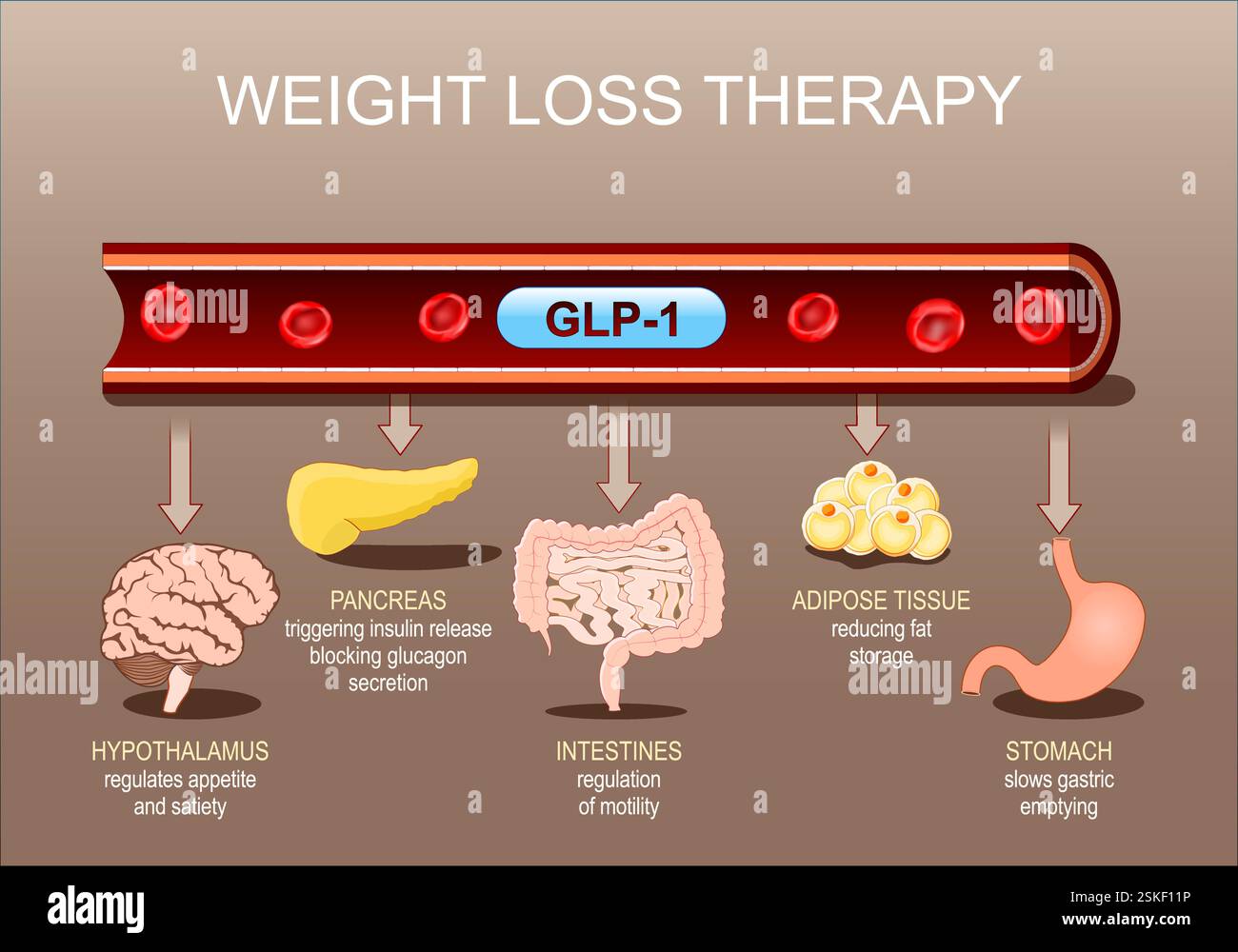
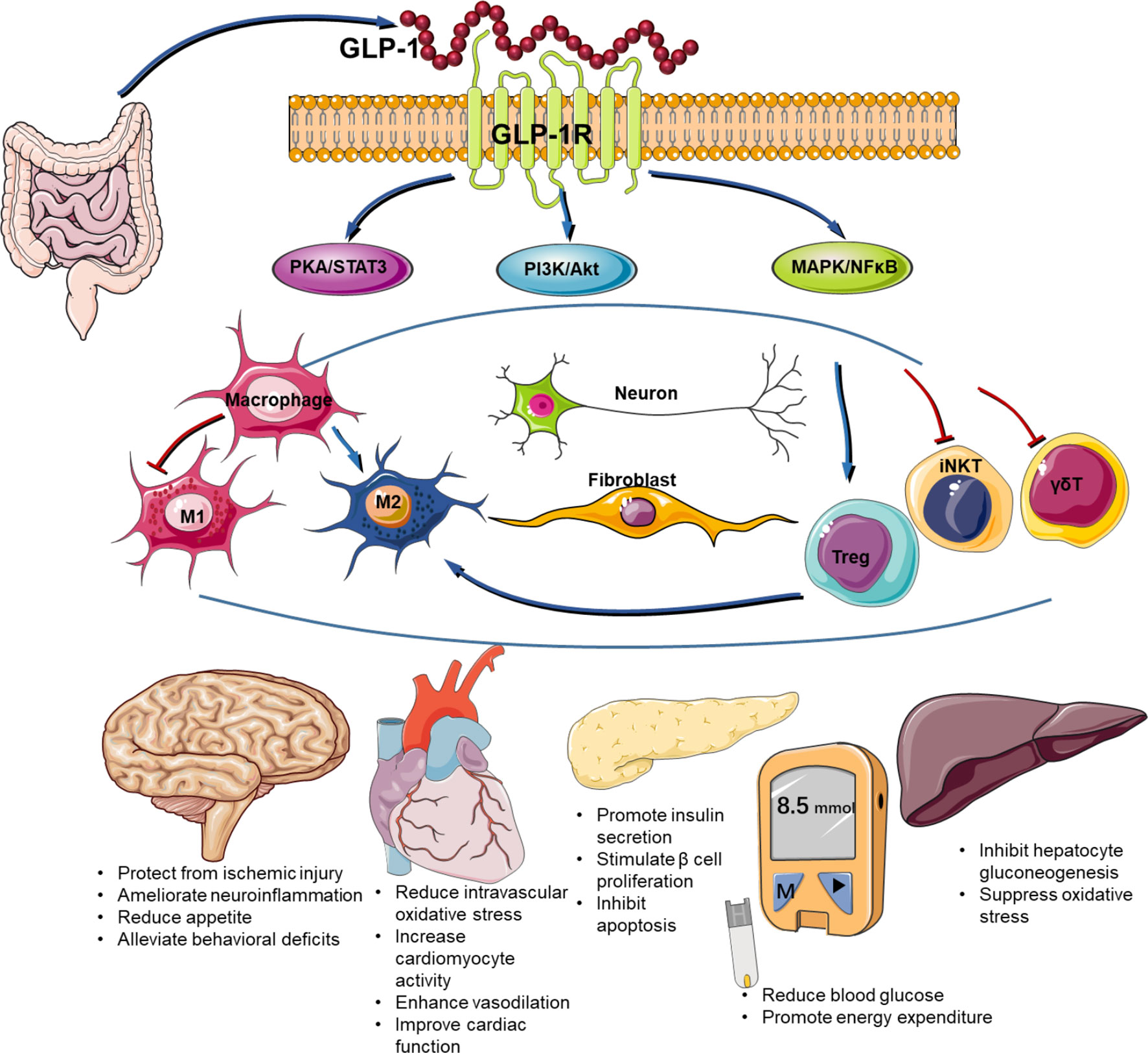
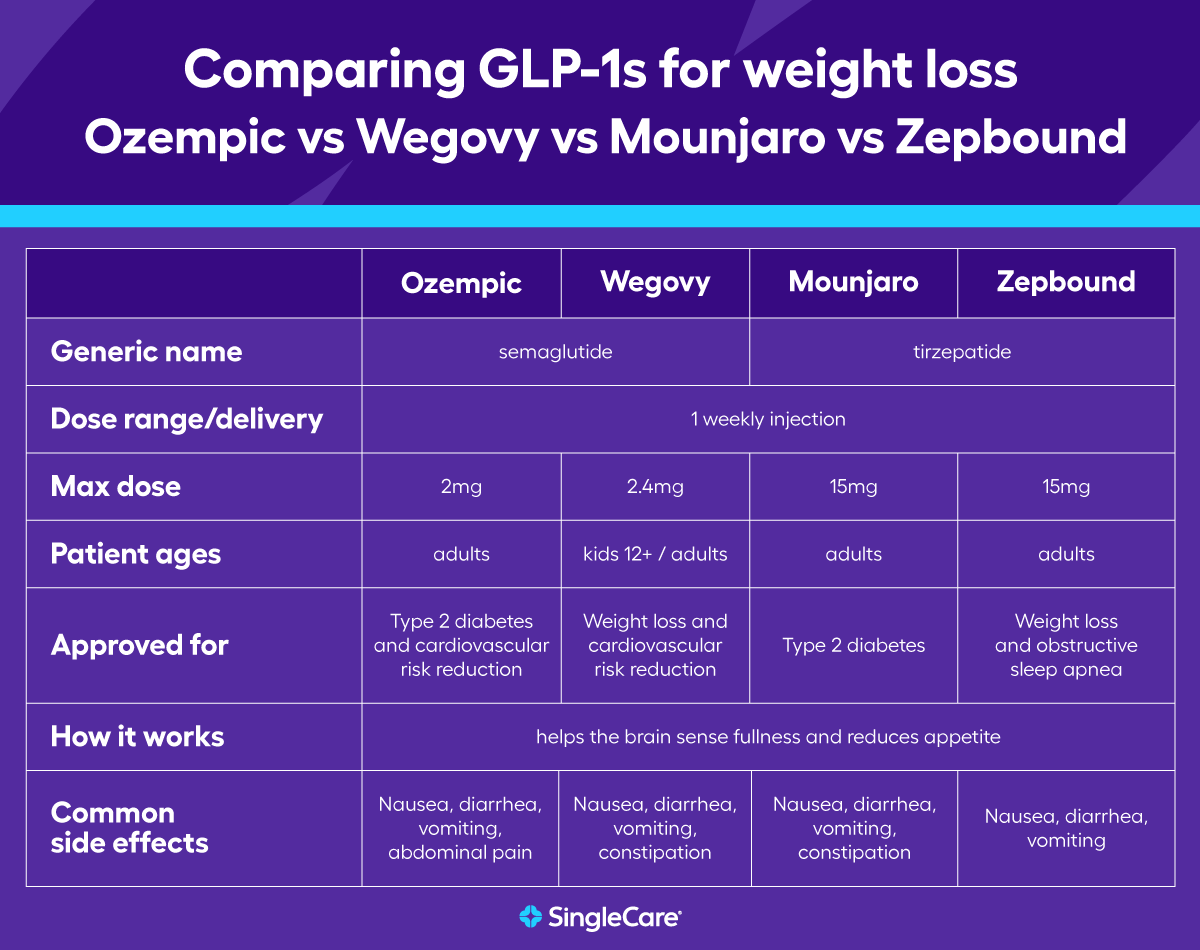
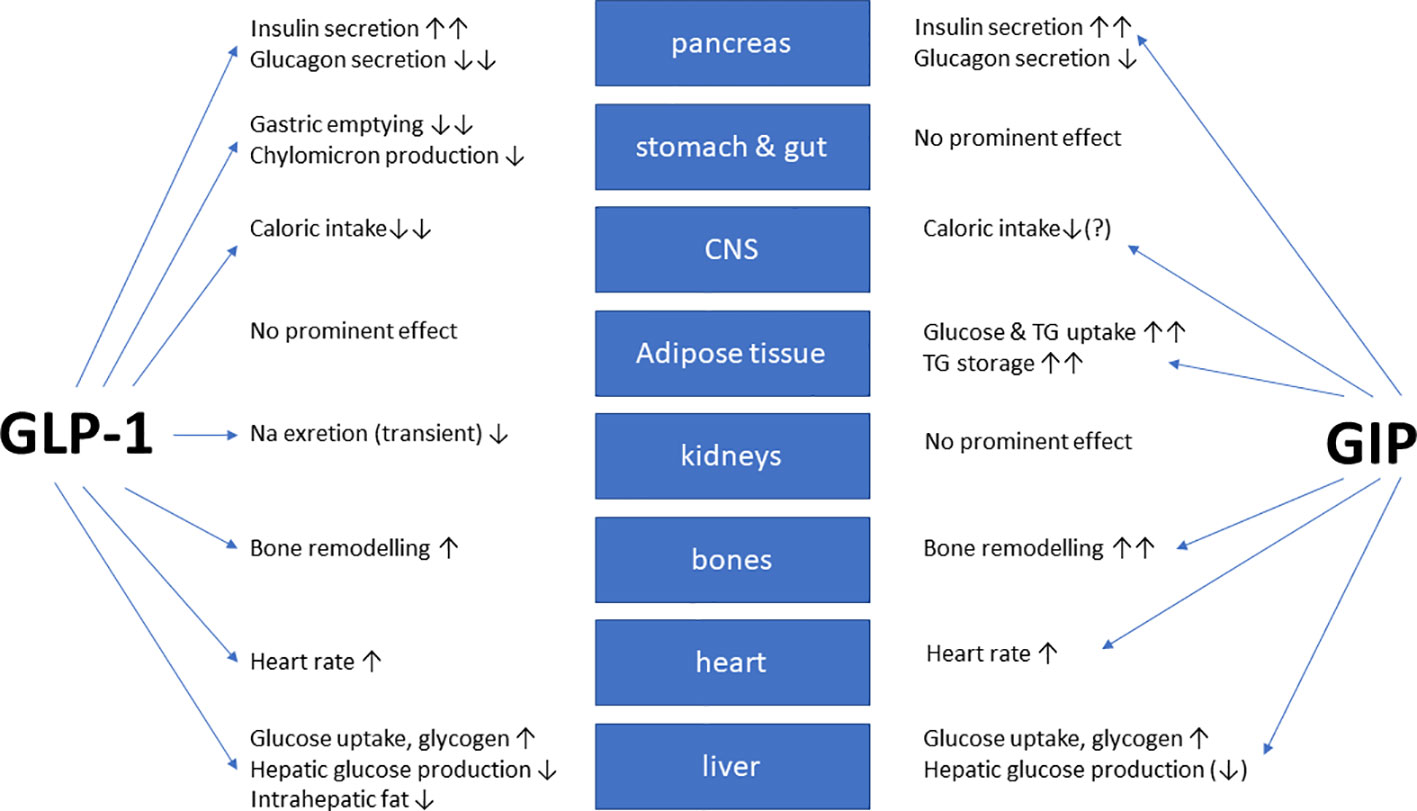
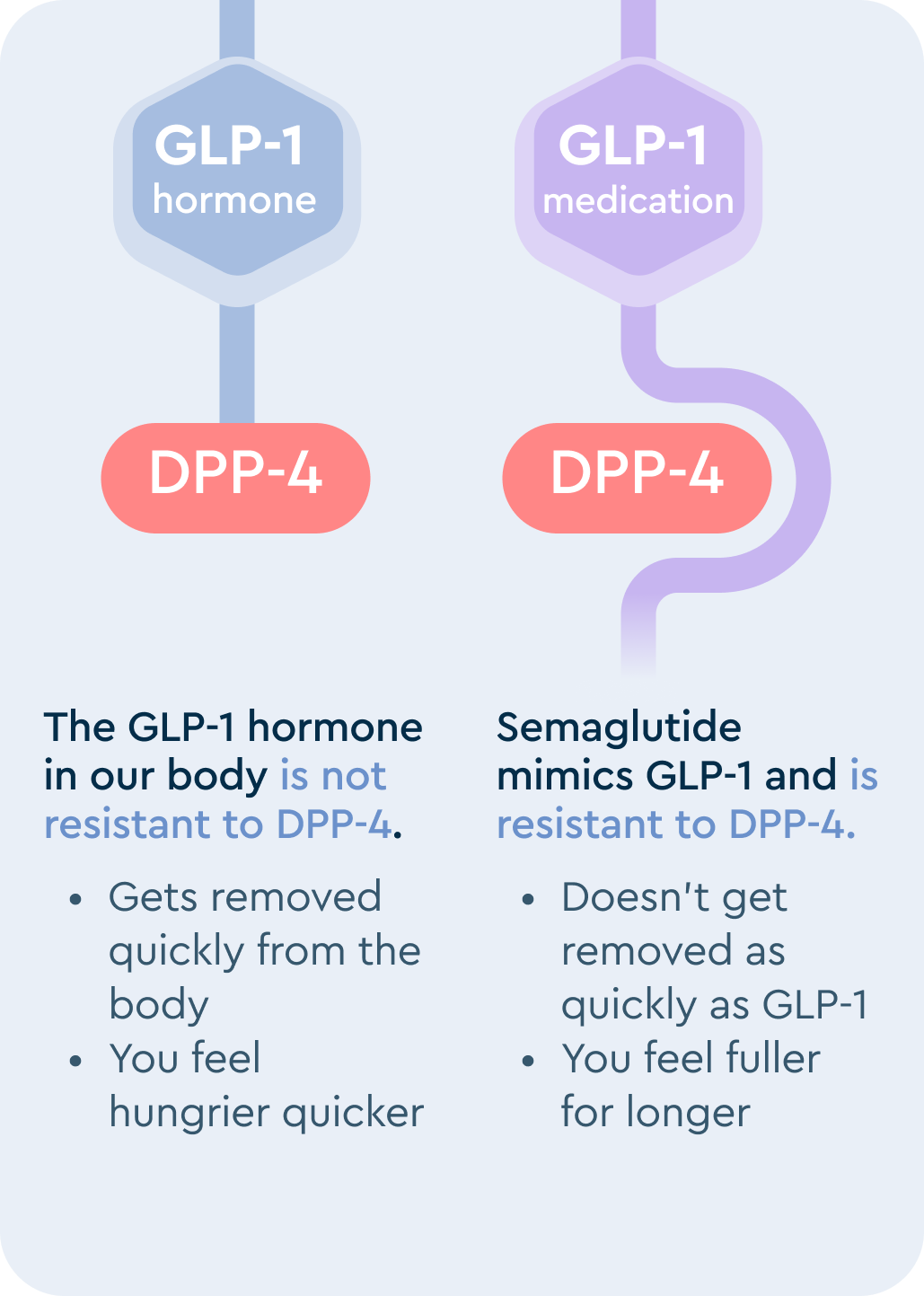
GLP-1RAs and SGLT-2is work in different ways to help manage blood sugar levels and induce weight loss. GLP-1RAs, such as semaglutide and liraglutide, mimic the action of the GLP-1 hormone, which stimulates insulin release, slows gastric emptying, and reduces glucagon production. This leads to improved glycemic control and weight loss.
In contrast, SGLT-2is, such as empagliflozin and canagliflozin, work by inhibiting the SGLT-2 protein in the kidneys, resulting in the excretion of more glucose in the urine. This helps to lower blood sugar levels and promote weight loss.

Efficacy and Effectiveness
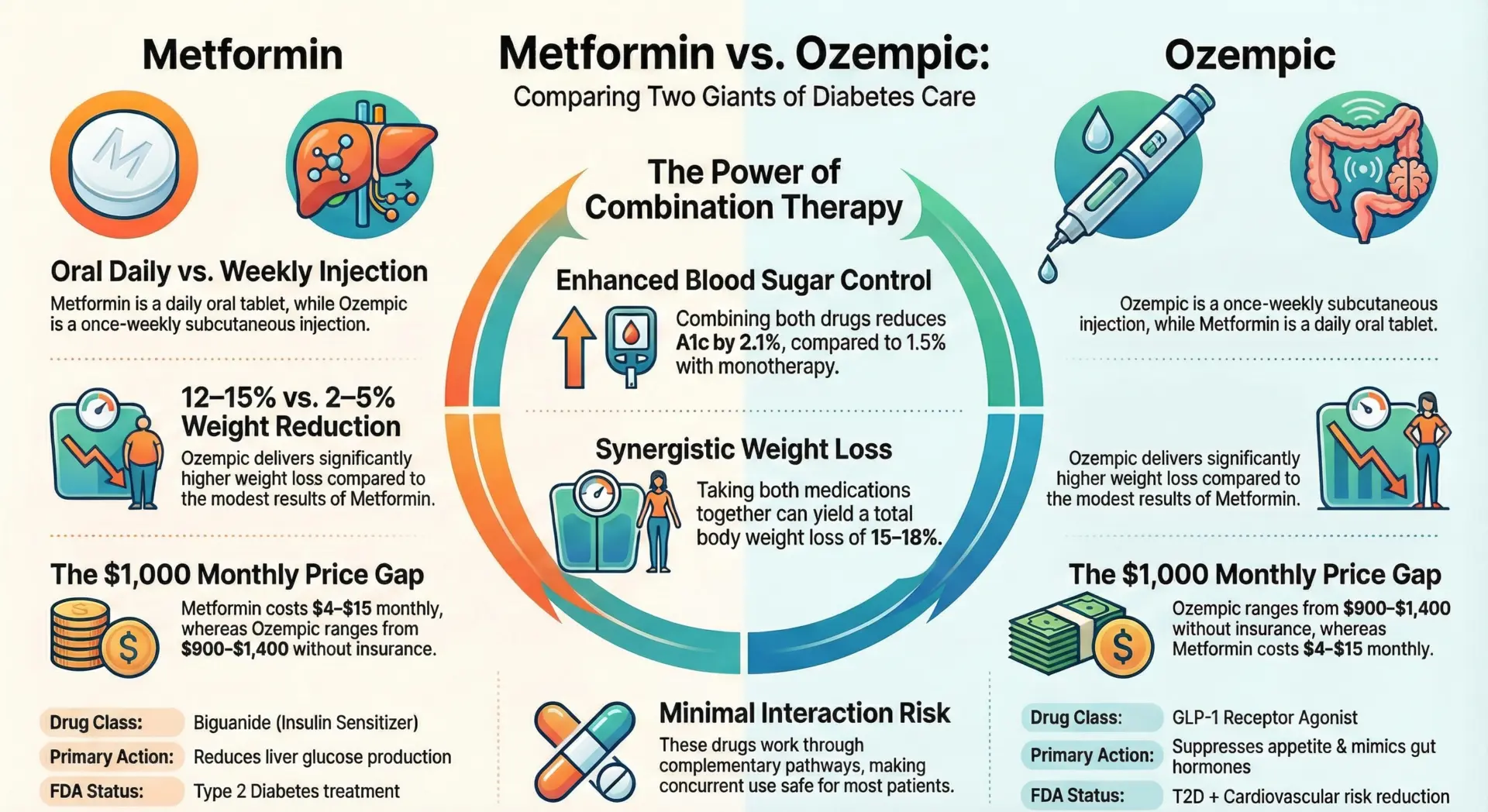
Studies have shown that GLP-1RAs are more effective than SGLT-2is in promoting weight loss. For example, a study found that patients using semaglutide experienced significant weight loss, compared to those using empagliflozin. Another study demonstrated that tirzepatide, a dual GLP-1/GIP receptor agonist, was more effective in reducing body weight compared to liraglutide.
On the other hand, SGLT-2is have been shown to be effective in lowering hemoglobin A1c levels and improving weight loss in patients with type 2 diabetes. For instance, a meta-analysis found that empagliflozin reduced hemoglobin A1c levels and body weight compared to placebo.