Management of Hyperglycemia with GLP-1: A Comprehensive Approach
Hyperglycemia, or high blood sugar, is a hallmark of diabetes mellitus and can have severe consequences if left unmanaged. Glucagon-like peptide-1 (GLP-1) receptor agonists have emerged as a promising class of medications for the treatment of type 2 diabetes and, increasingly, type 1 diabetes as well. In this article, we will explore the management of hyperglycemia with GLP-1 and discuss the benefits, challenges, and potential pitfalls of this approach.
The Biology of GLP-1
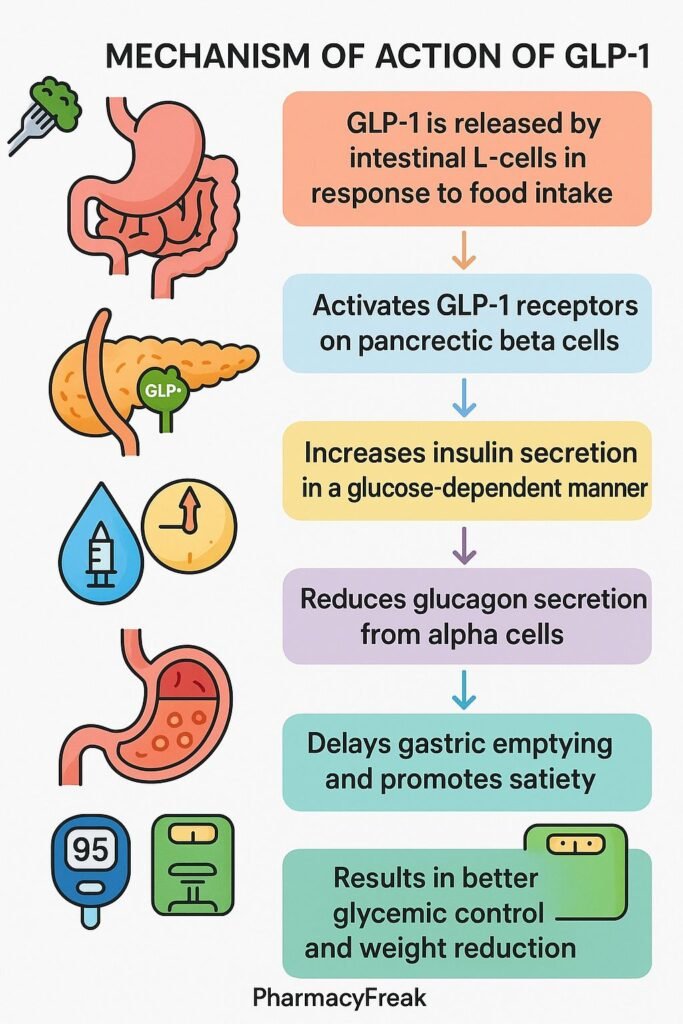
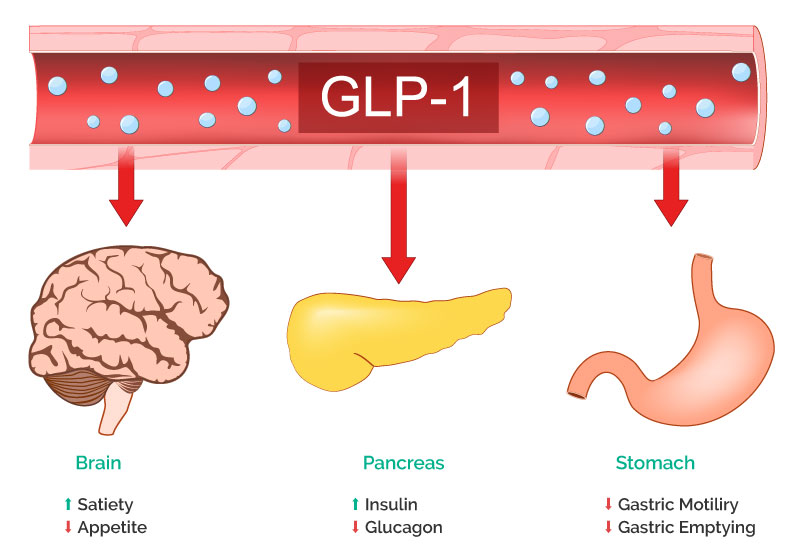
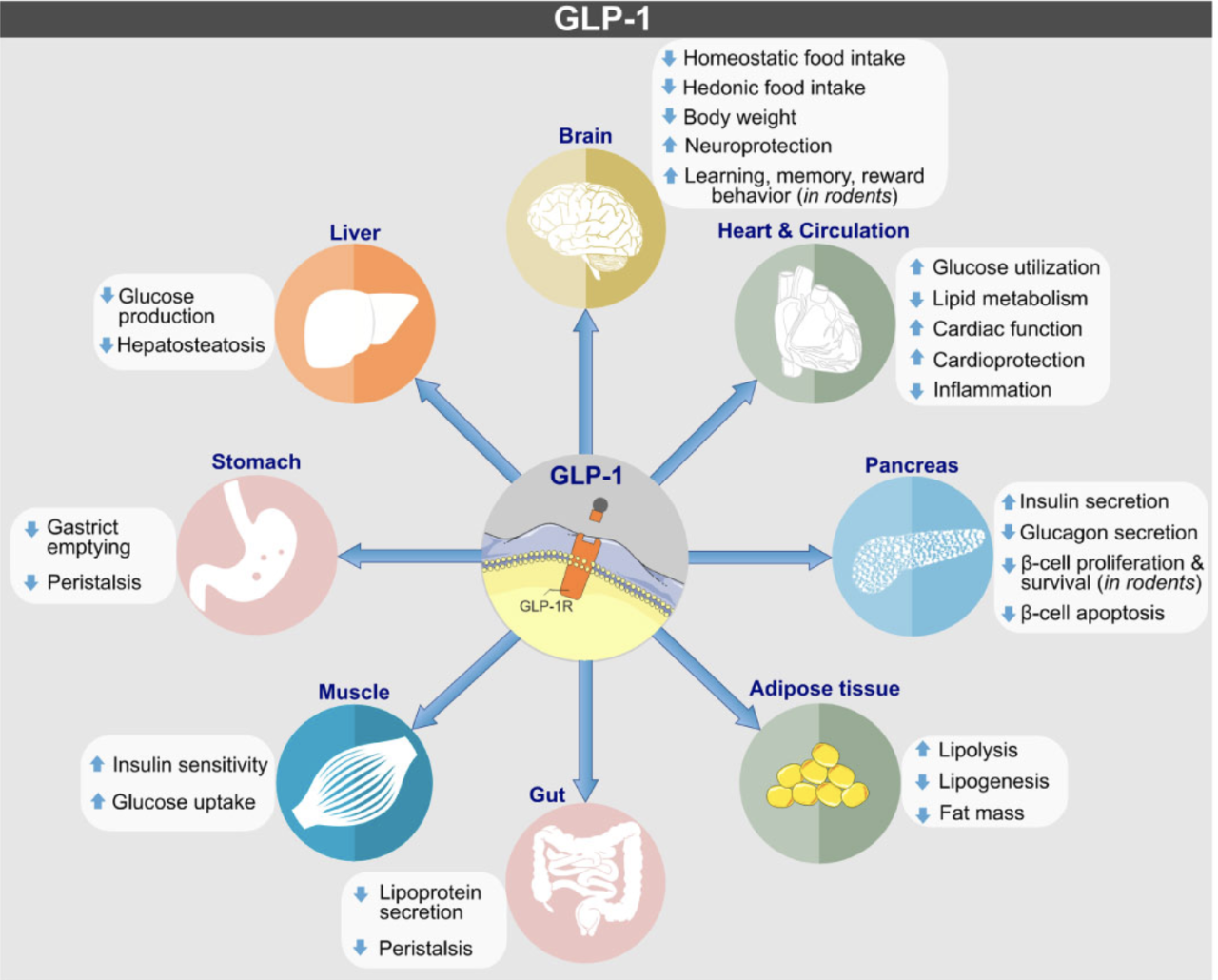
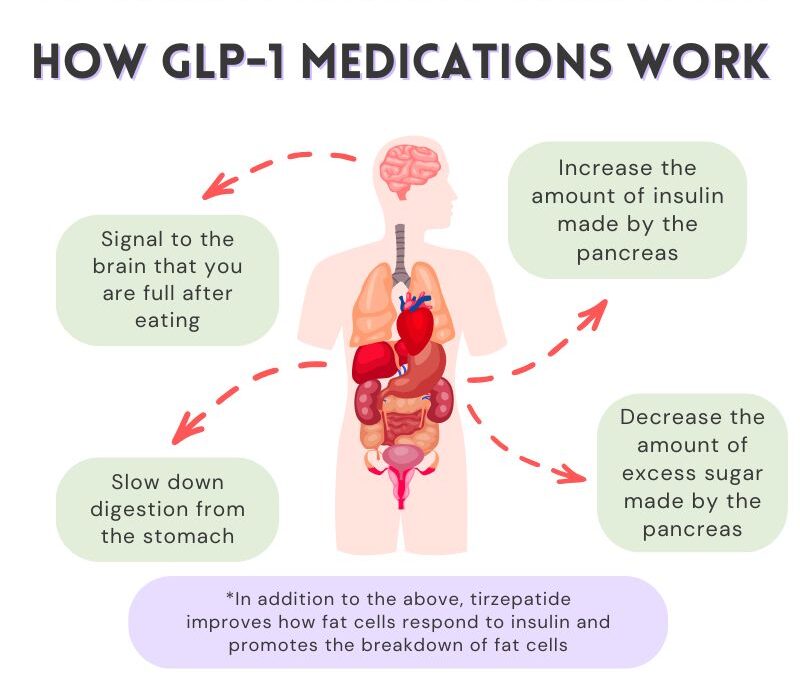
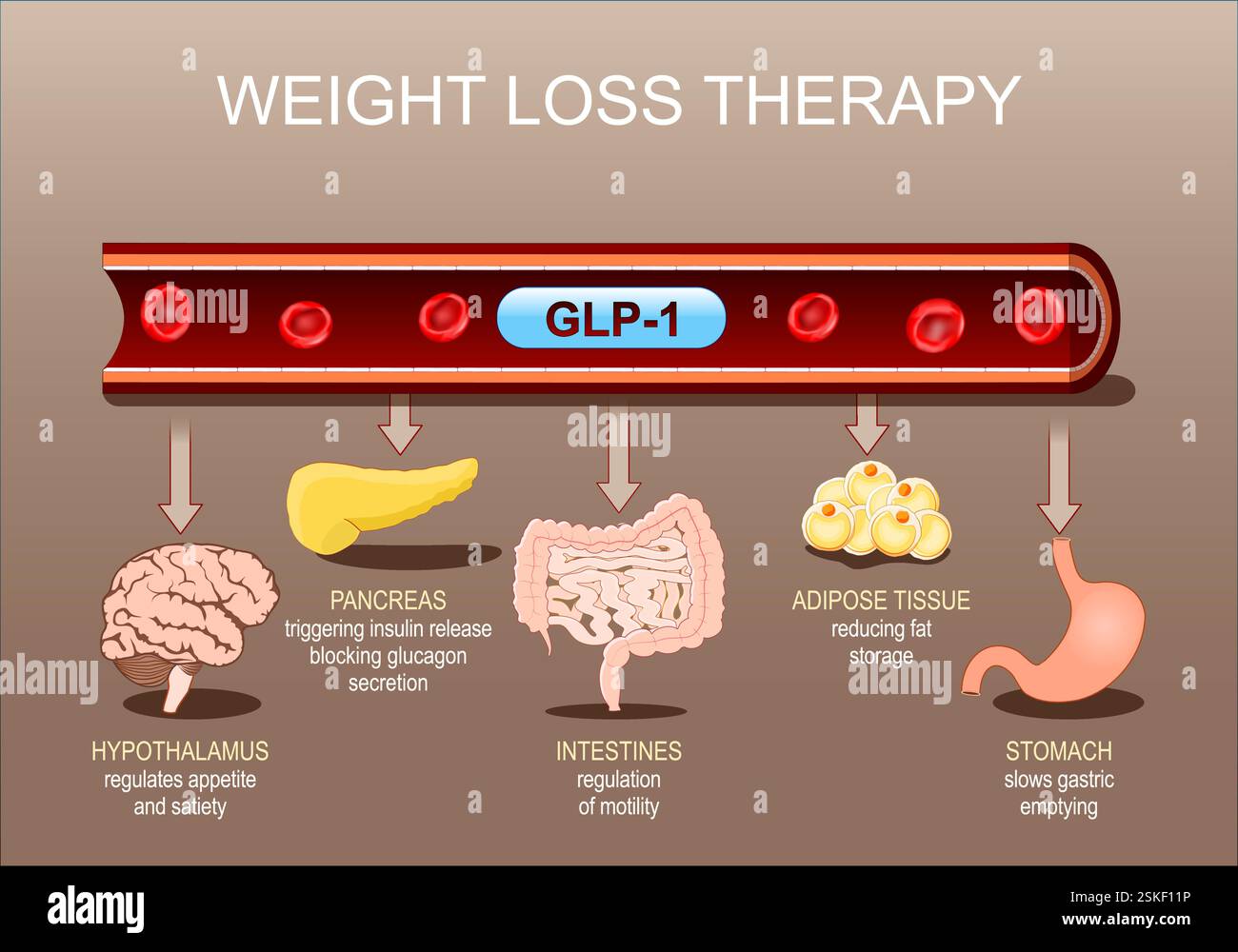
GLP-1 is an intestinal hormone that plays a crucial role in glucose homeostasis. After a meal, GLP-1 is released from the intestinal L cells and works to regulate blood glucose levels by stimulating insulin secretion, suppressing glucagon secretion, and slowing gastric emptying.
Benefits of GLP-1 Receptor Agonists
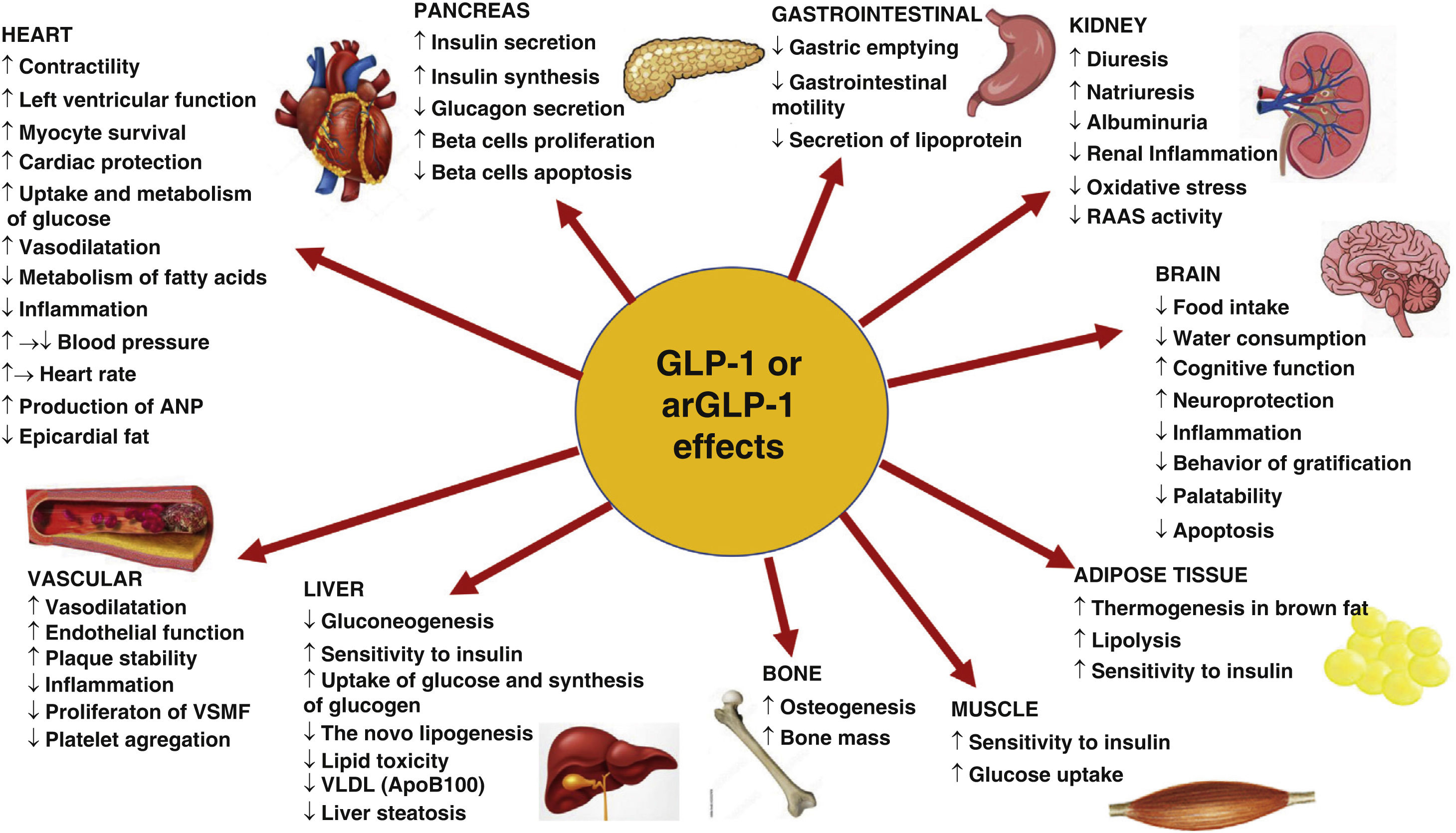
Improved glycemic control:
Weight loss:
Cardiovascular benefits:
Reduced risk of hypoglycemia:
Improved beta-cell function:
Reduced inflammation:
Management of Hyperglycemia with GLP-1
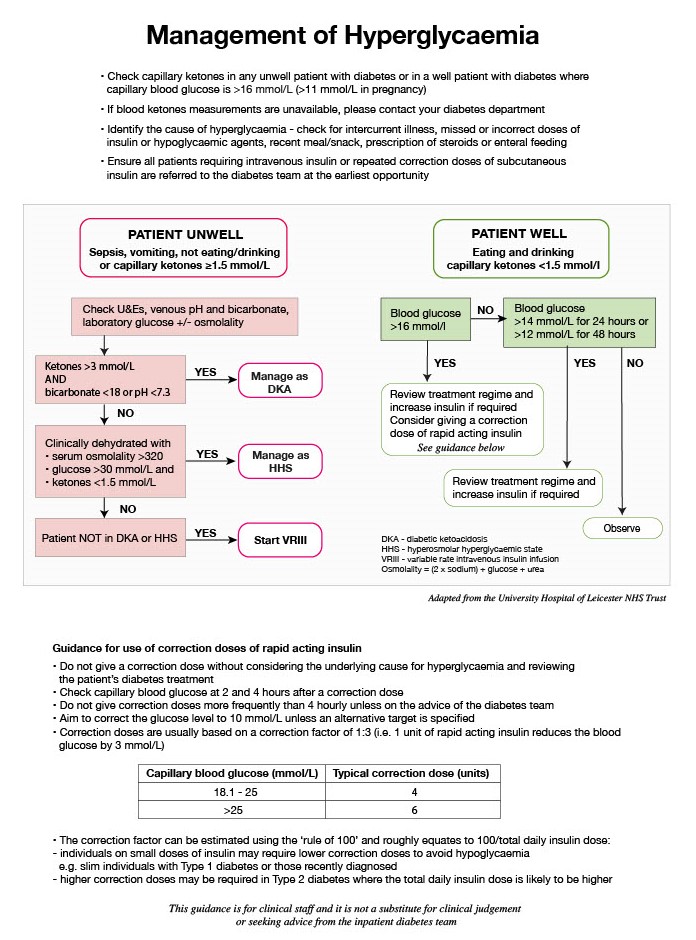
The management of hyperglycemia with GLP-1 involves a multifaceted approach that includes lifestyle modifications, pharmacological interventions, and monitoring of blood glucose levels. Here are some key strategies for managing hyperglycemia with GLP-1:
▧ Lifestyle modifications: Healthy eating, regular exercise, weight loss, and stress management can help mitigate hyperglycemia and improve insulin sensitivity.
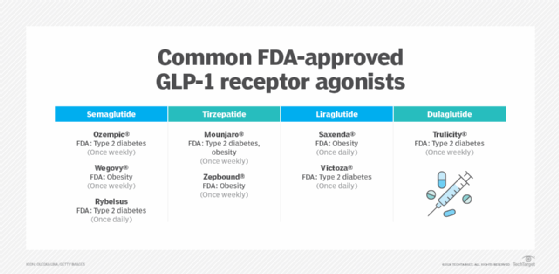
▧ GLP-1 receptor agonists: GLP-1 receptor agonists, such as semaglutide and liraglutide, can improve glycemic control and reduce weight.
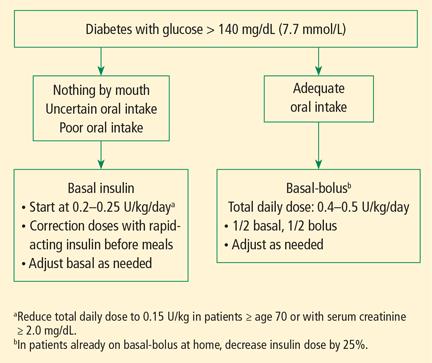
▧ Insulin therapy: Insulin therapy may be necessary for some individuals with type 1 diabetes or advanced type 2 diabetes.
▧ Monitoring blood glucose levels: Regular monitoring of blood glucose levels is crucial for adjusting treatment plans and avoiding hypoglycemia.
▧ SGLT-2 inhibitors: SGLT-2 inhibitors can help reduce glucose levels and promote weight loss.
▧ Sodium-glucose cotransporter 2 (SGLT-2) inhibitors: SGLT-2 inhibitors can also be used to treat hyperglycemia in certain individuals.