How GLP-1 Affects Gut Hormones and Calorie Regulation
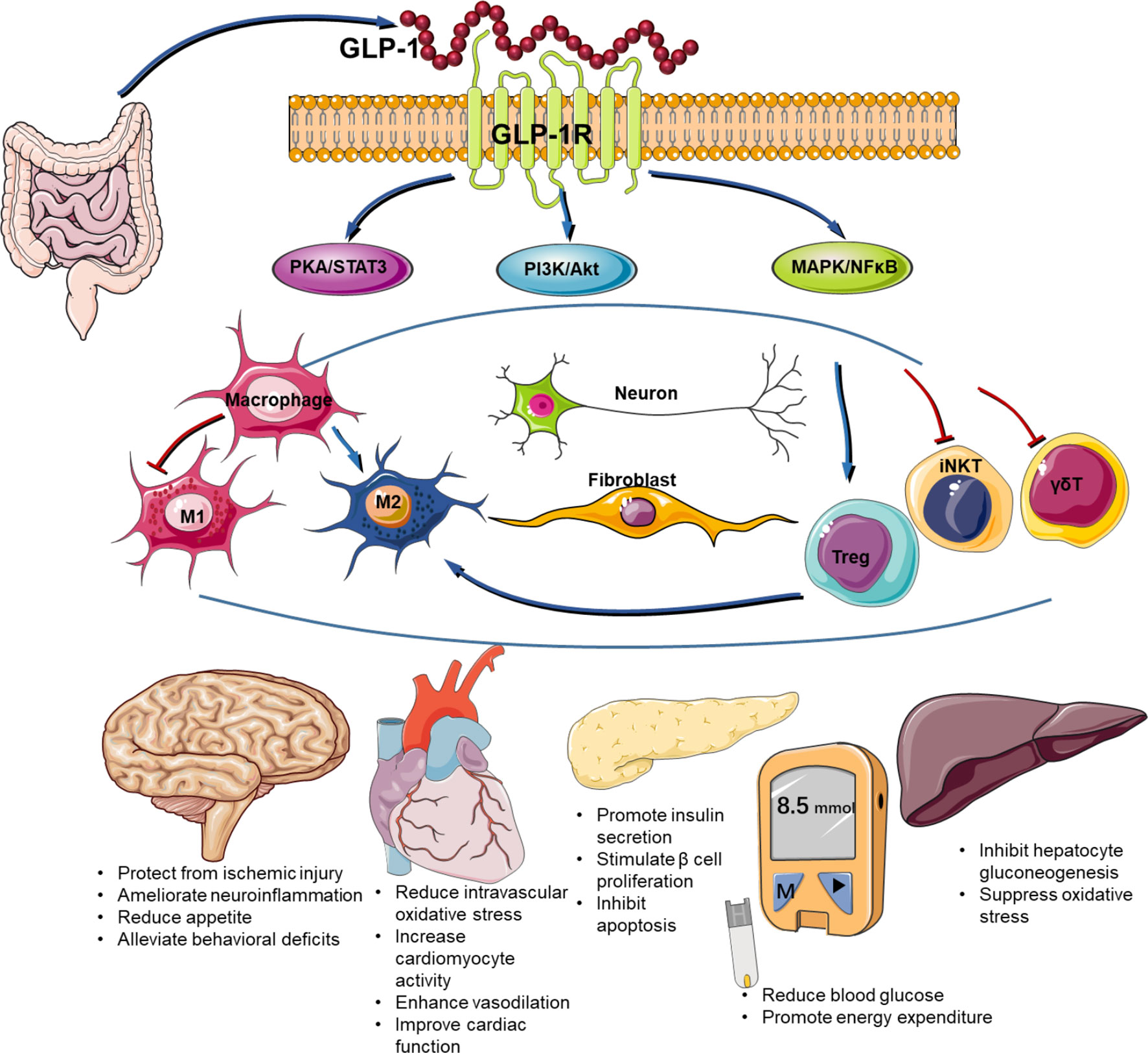
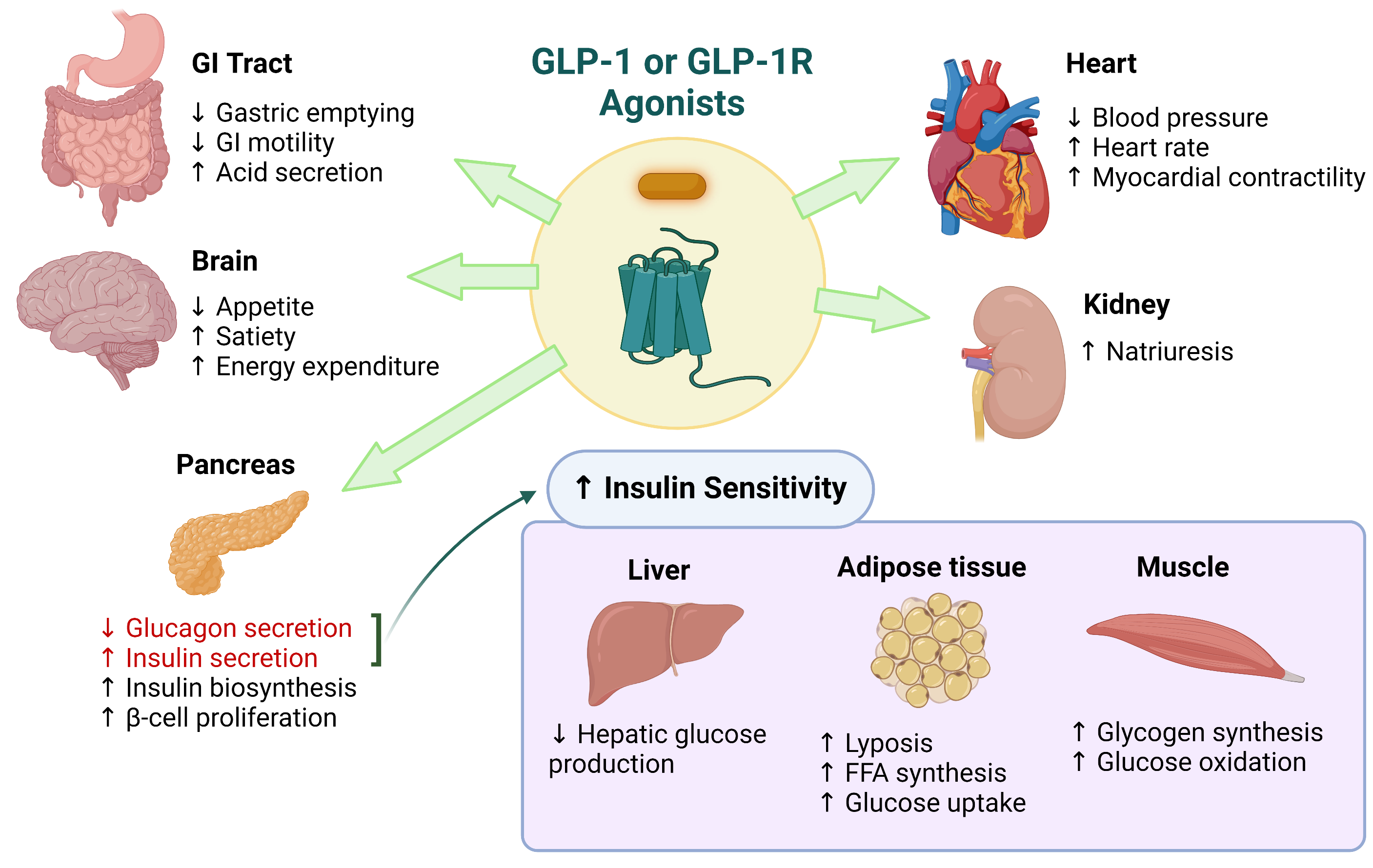
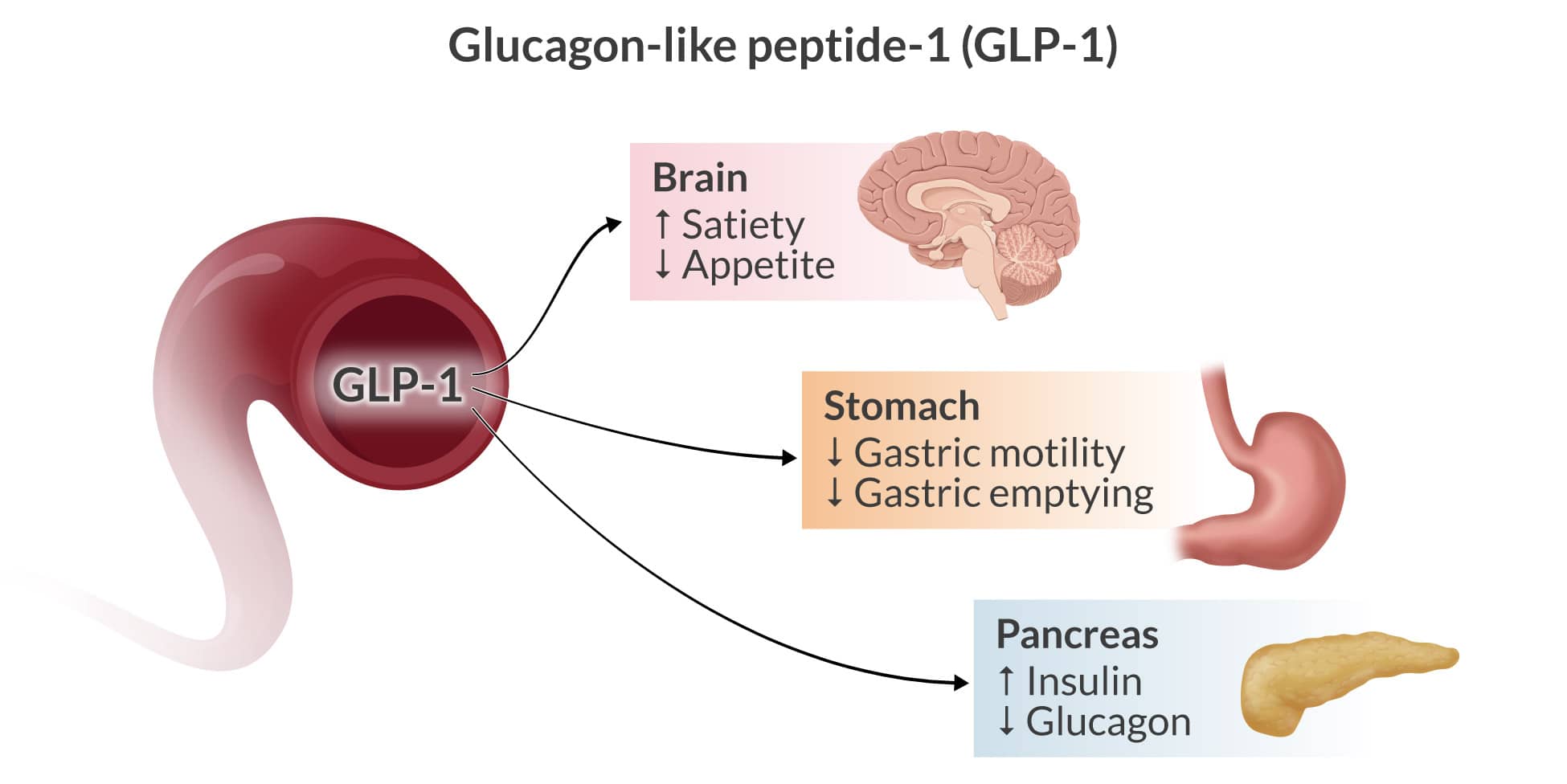
Glucagon-like peptide-1 (GLP-1) is a hormone that plays a crucial role in regulating glucose metabolism, appetite, and calorie intake. This hormone is produced in response to food intake and has been shown to have a profound impact on various physiological processes.
The Role of GLP-1 in Gut Hormones and Calorie Regulation
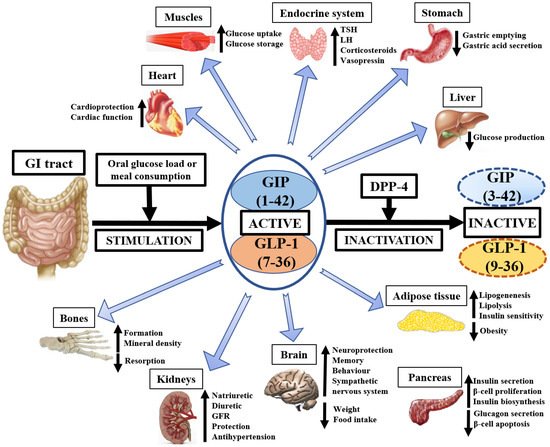
GLP-1 has a multifaceted role in regulating gut hormones and calorie intake. Here are some key ways it affects the body:
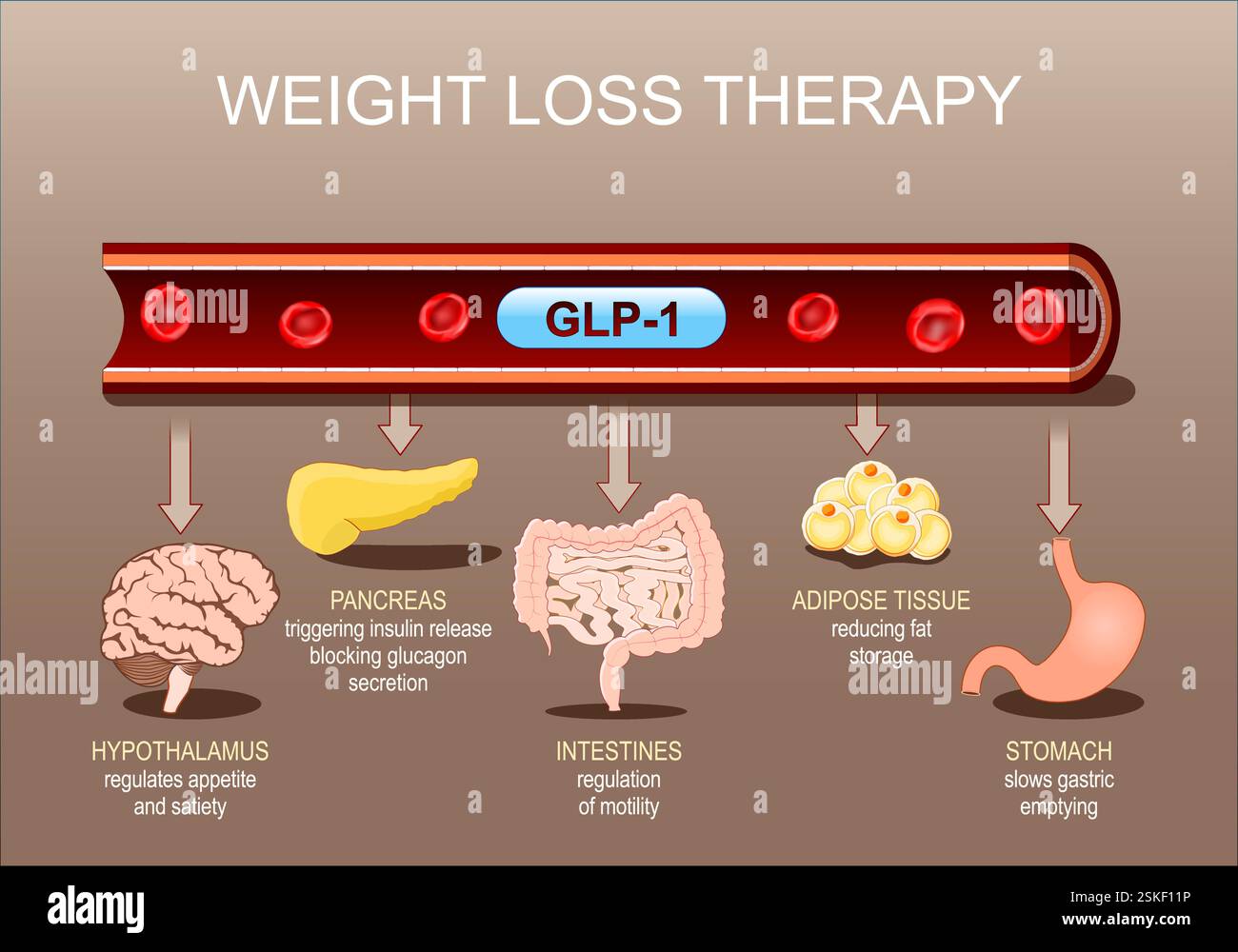
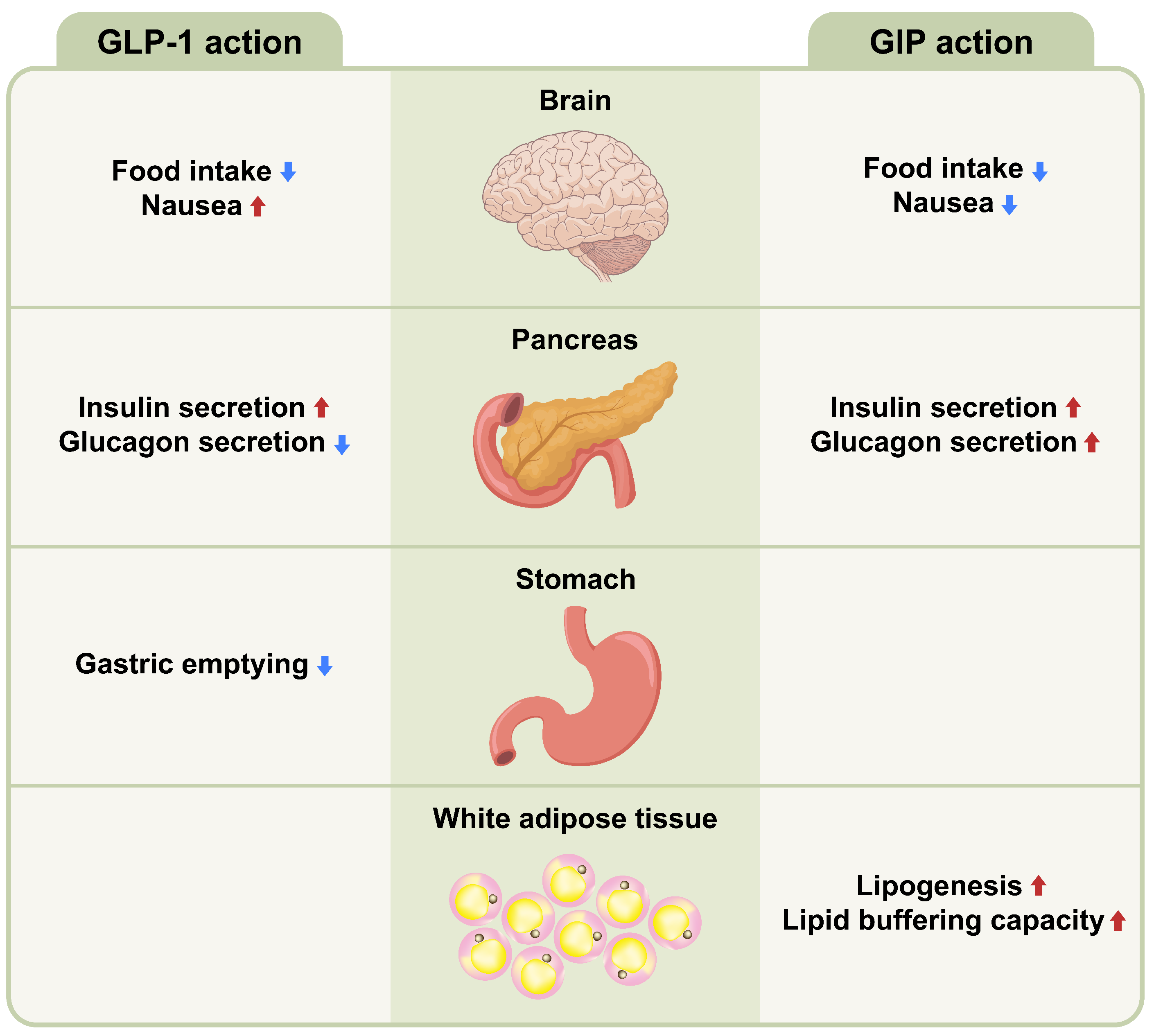
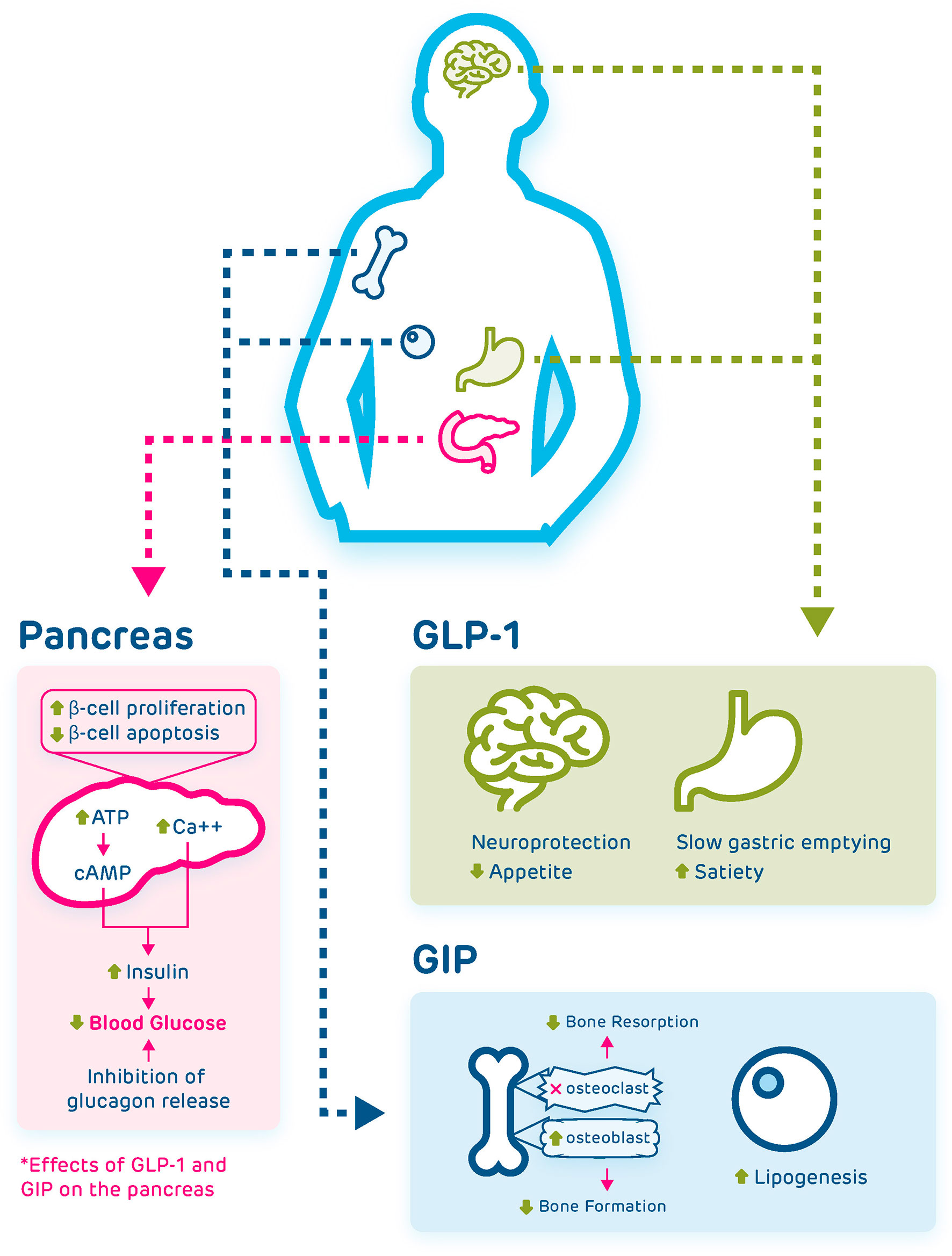
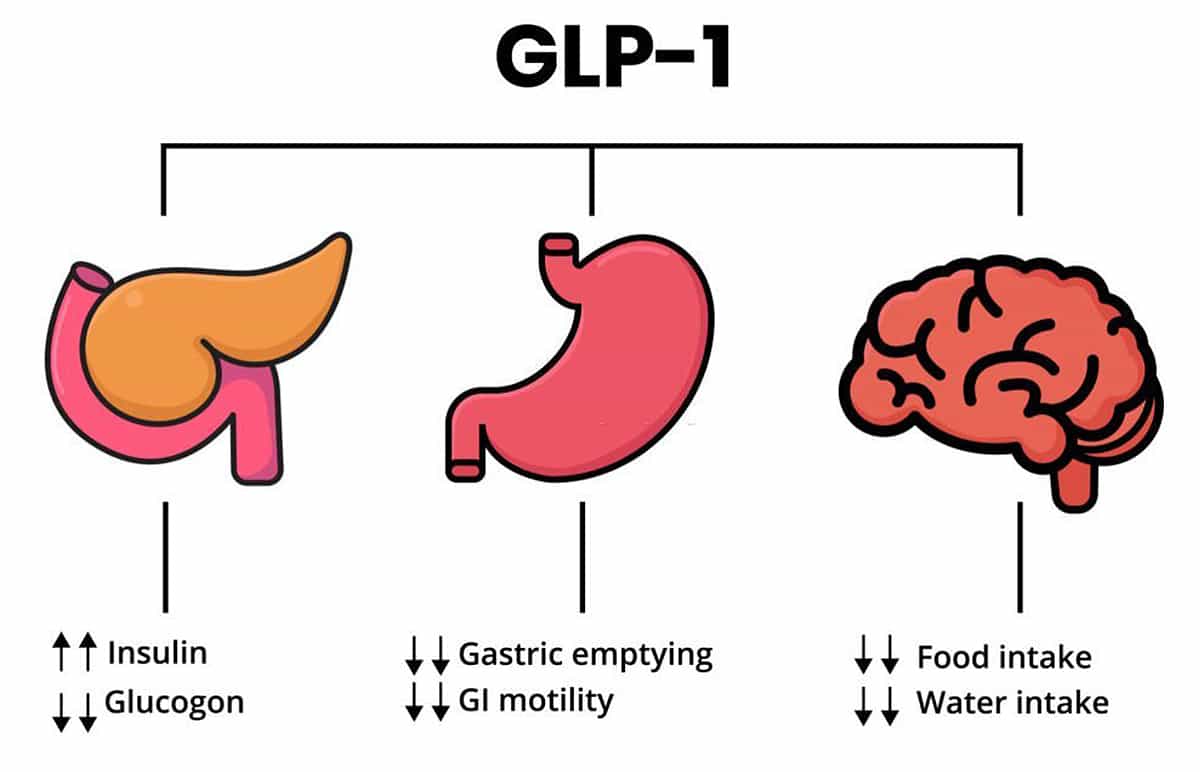
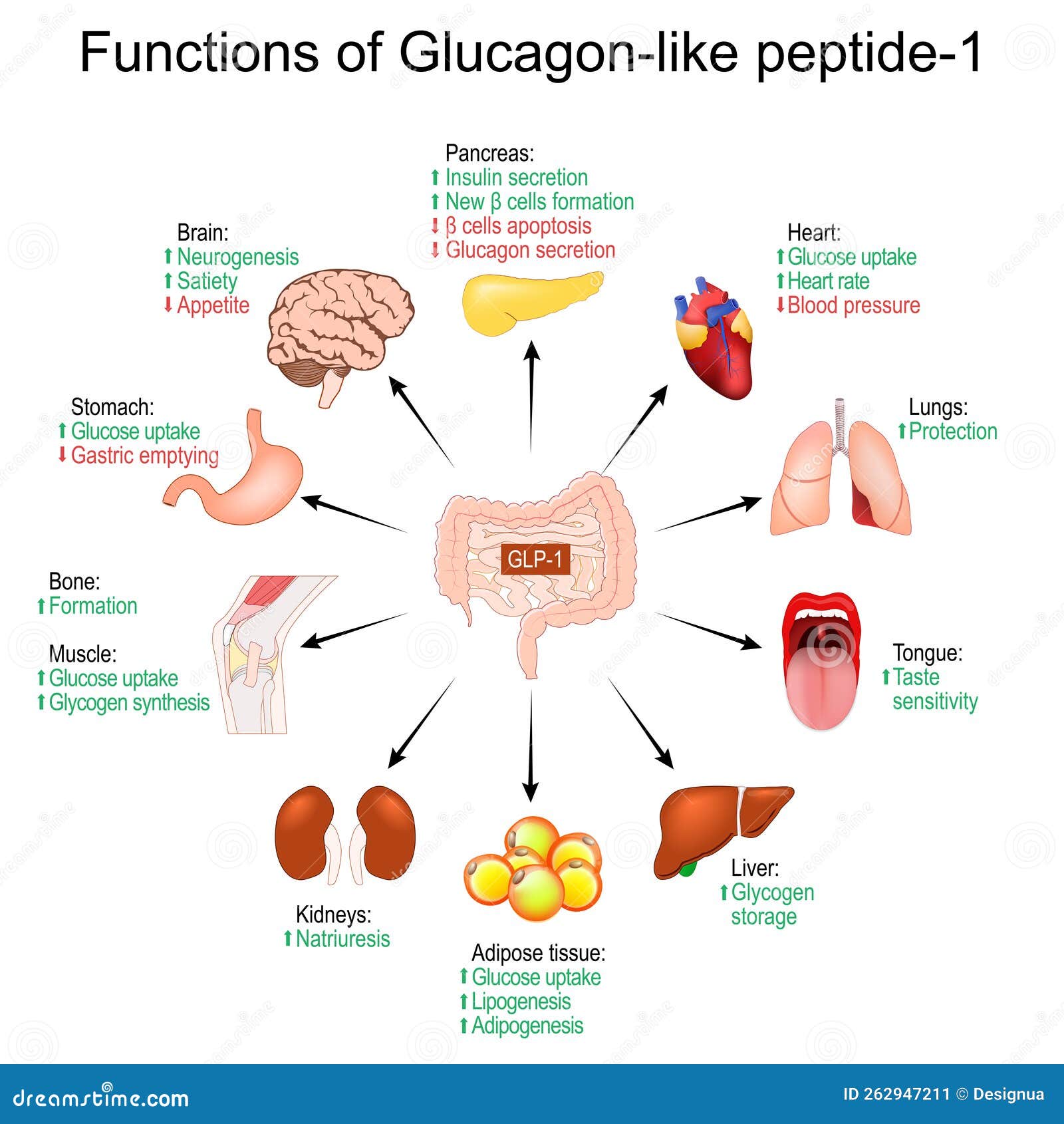
- : GLP-1 stimulates insulin secretion, enhancing glucose uptake in the body and reducing blood sugar levels.
- : GLP-1 slows down the digestion process, allowing for better nutrient absorption and preventing sudden spikes in blood sugar levels.
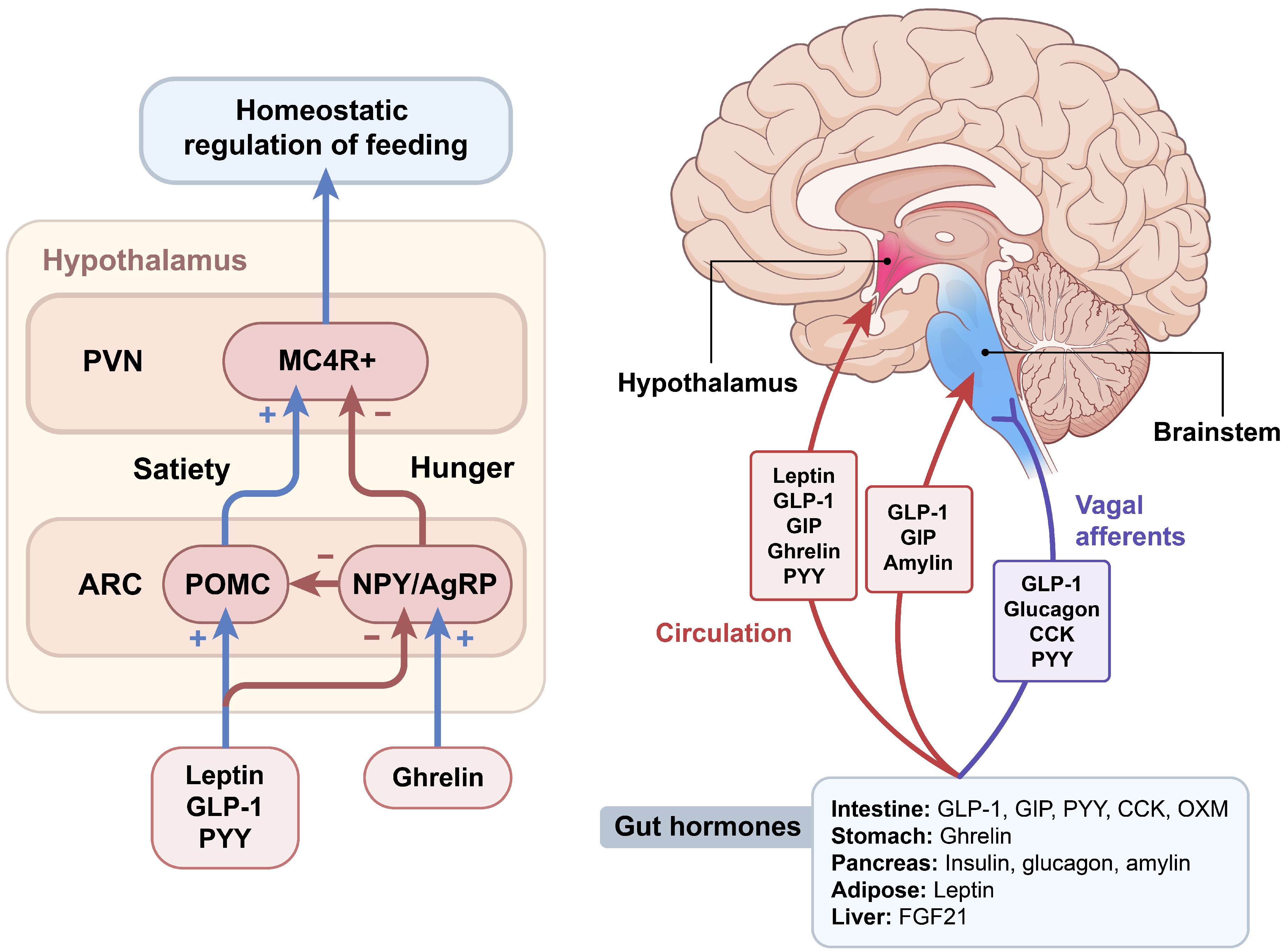
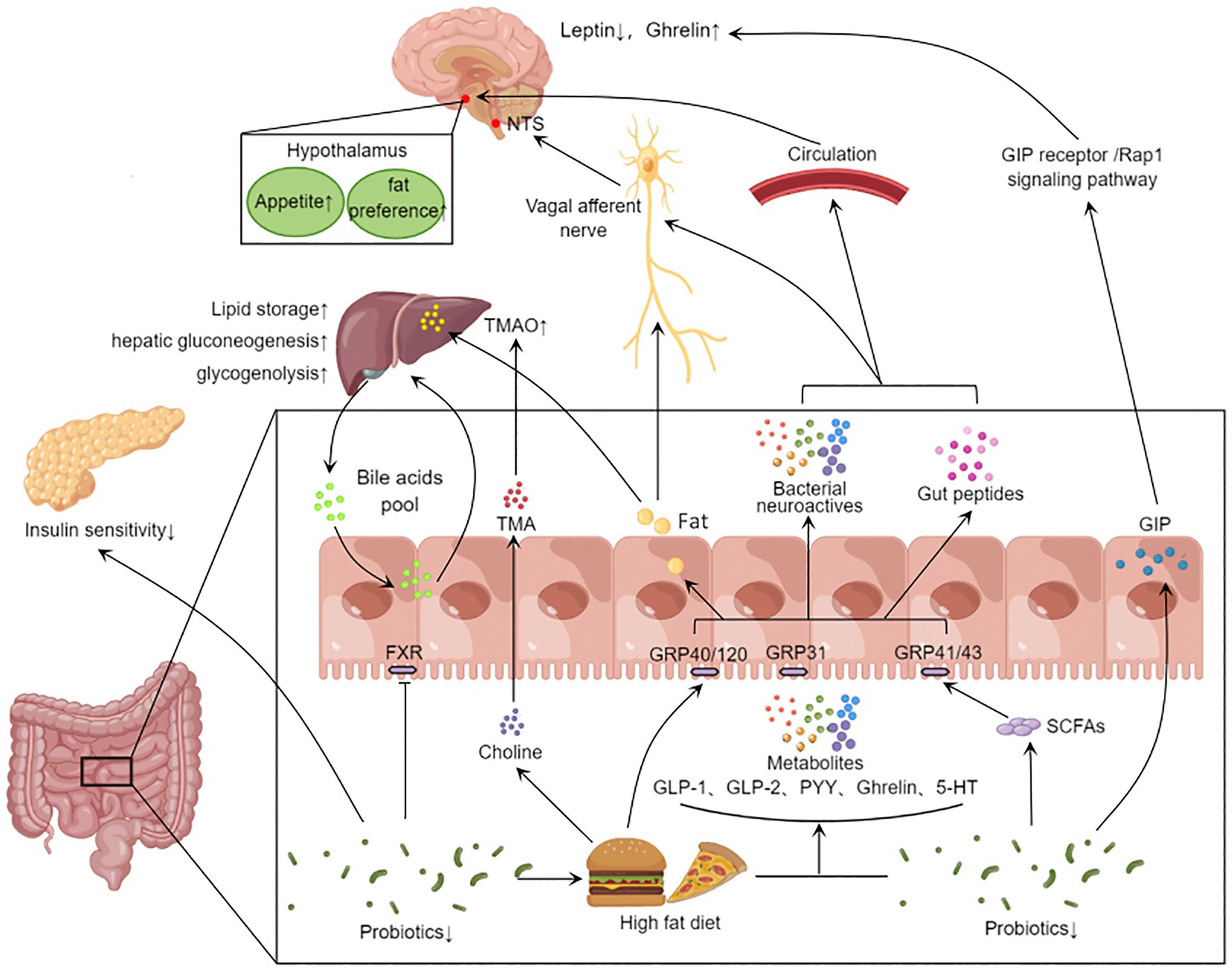
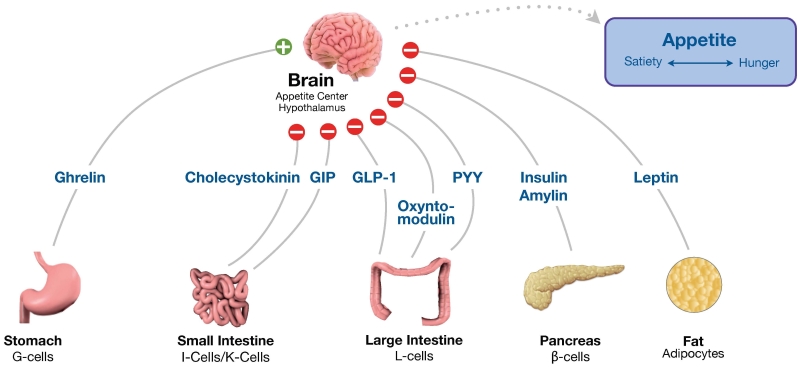
- : GLP-1 influences the release of other gut hormones, such as ghrelin and peptide YY, which play a role in regulating appetite and satiety.
- : GLP-1 has been shown to increase fat oxidation, leading to improved metabolic health and weight management.
The Science Behind GLP-1 and Calorie Regulation
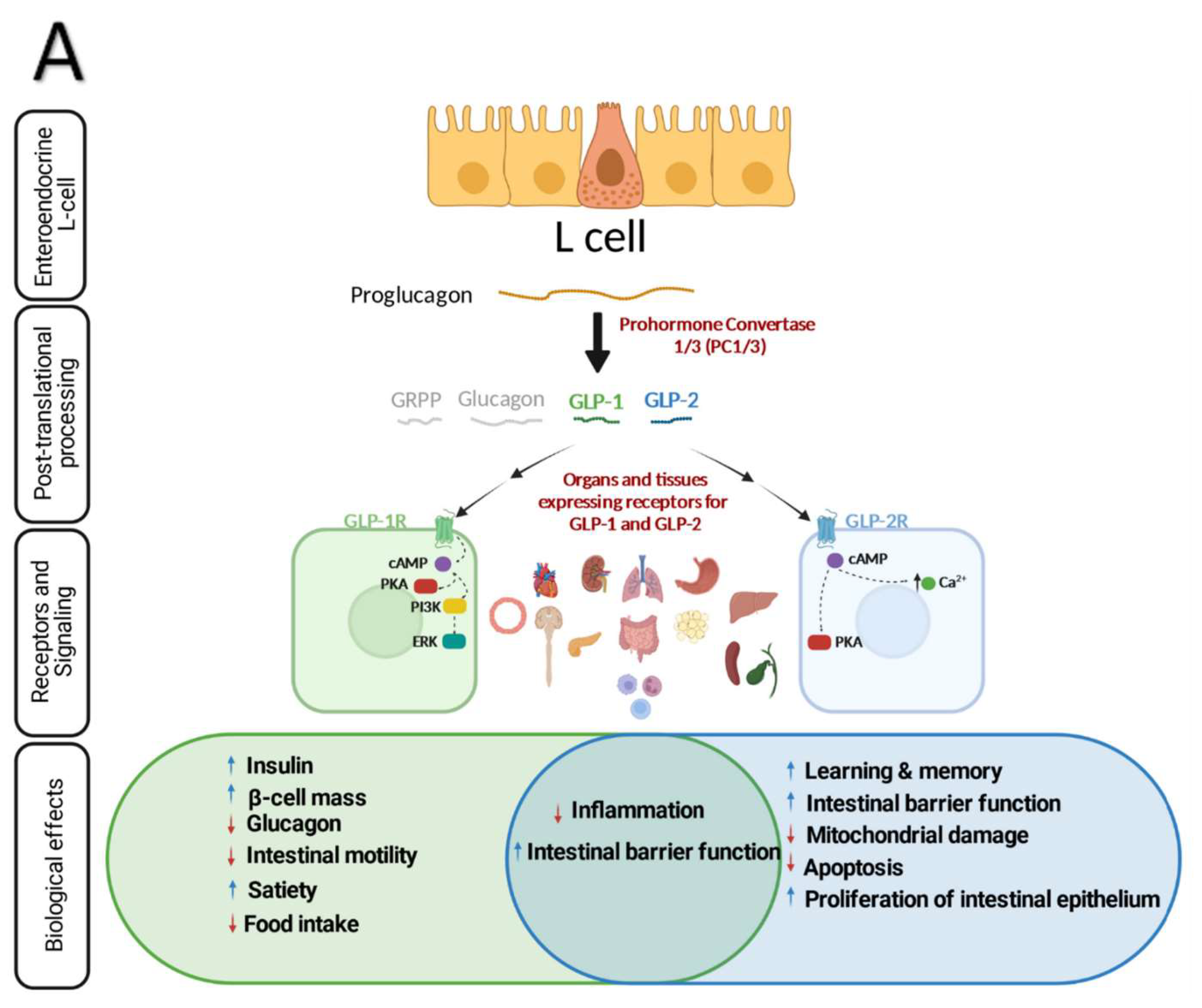
Research has shown that GLP-1 is released by specialized intestinal cells called L-cells in response to nutrient intake. Once released, GLP-1 travels through the bloodstream and signals the brain that the body has received adequate nutrients, promoting feelings of fullness and reducing appetite.