Unlocking the Power of GLP-1 Effects on Glucose Metabolism
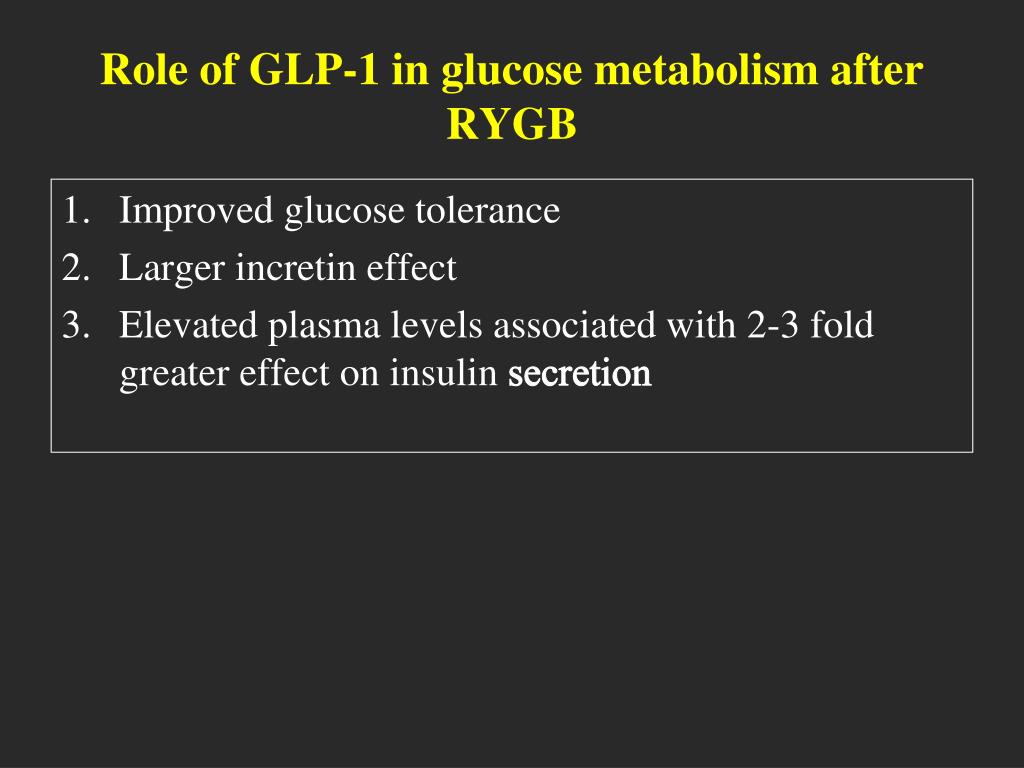
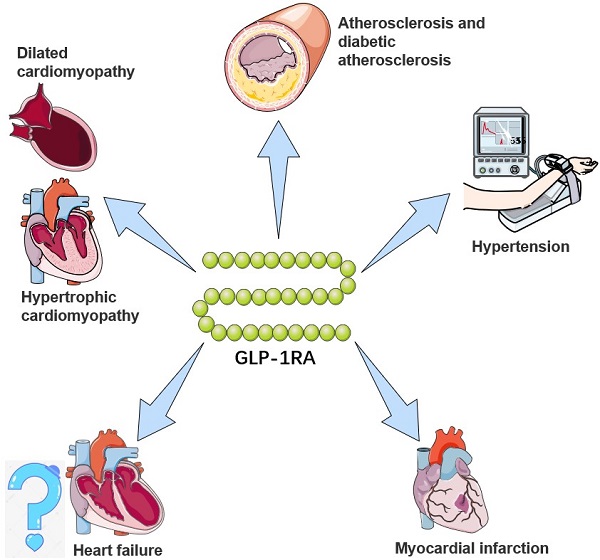
Glucagon-like peptide-1 (GLP-1) has emerged as a vital hormone in regulating glucose homeostasis, glycogen metabolism, and energy balance. This incretin hormone plays a pivotal role in modulating blood sugar levels, appetite, and metabolic functions. Understanding the effects of GLP-1 on glucose metabolism is crucial for the prevention and treatment of various chronic diseases, including diabetes, obesity, and metabolic syndrome.
The Physiological Roles of GLP-1
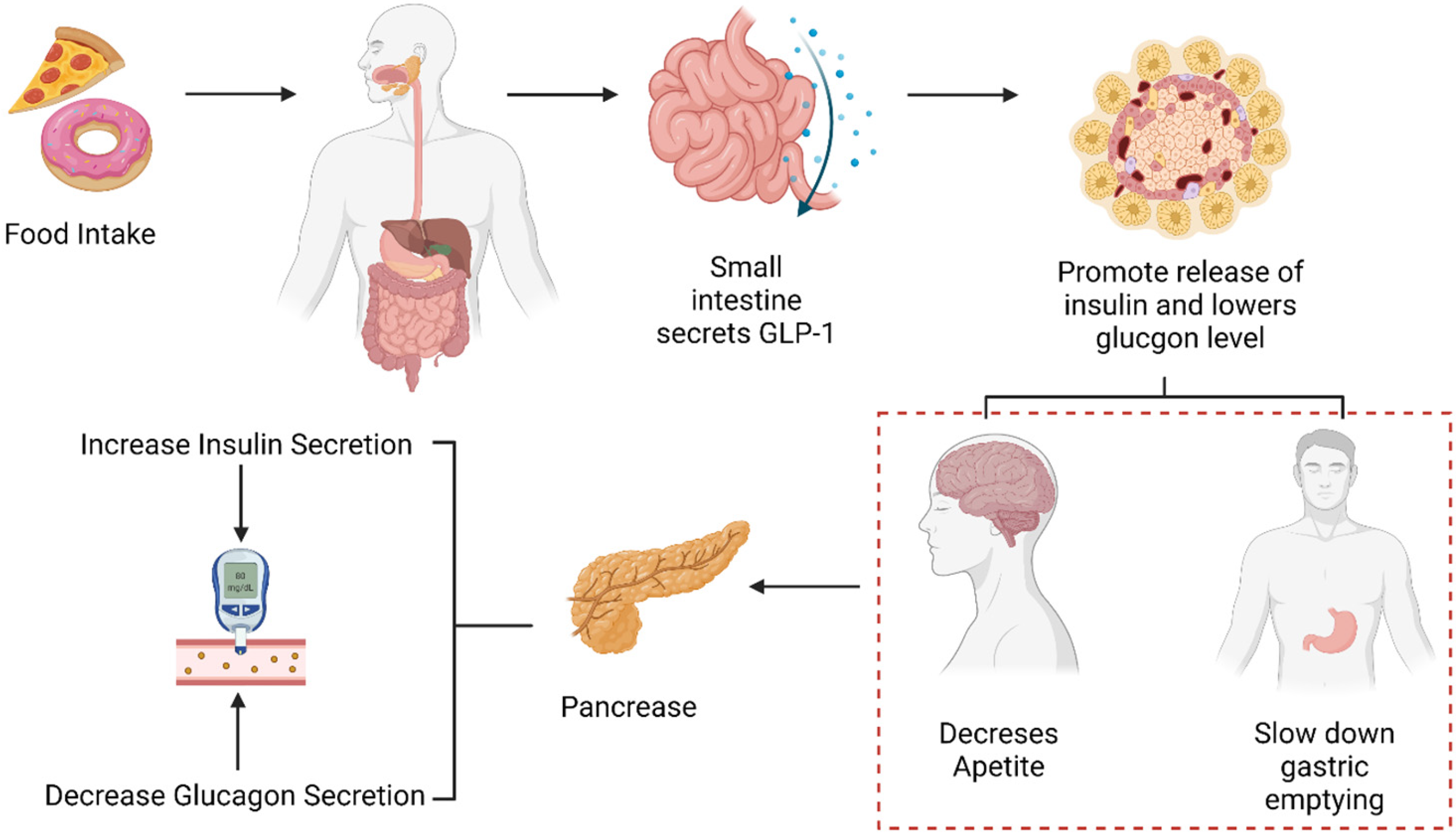
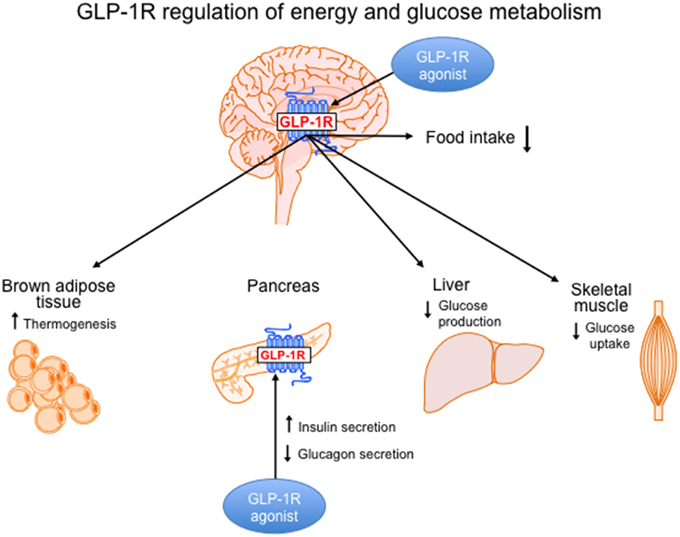
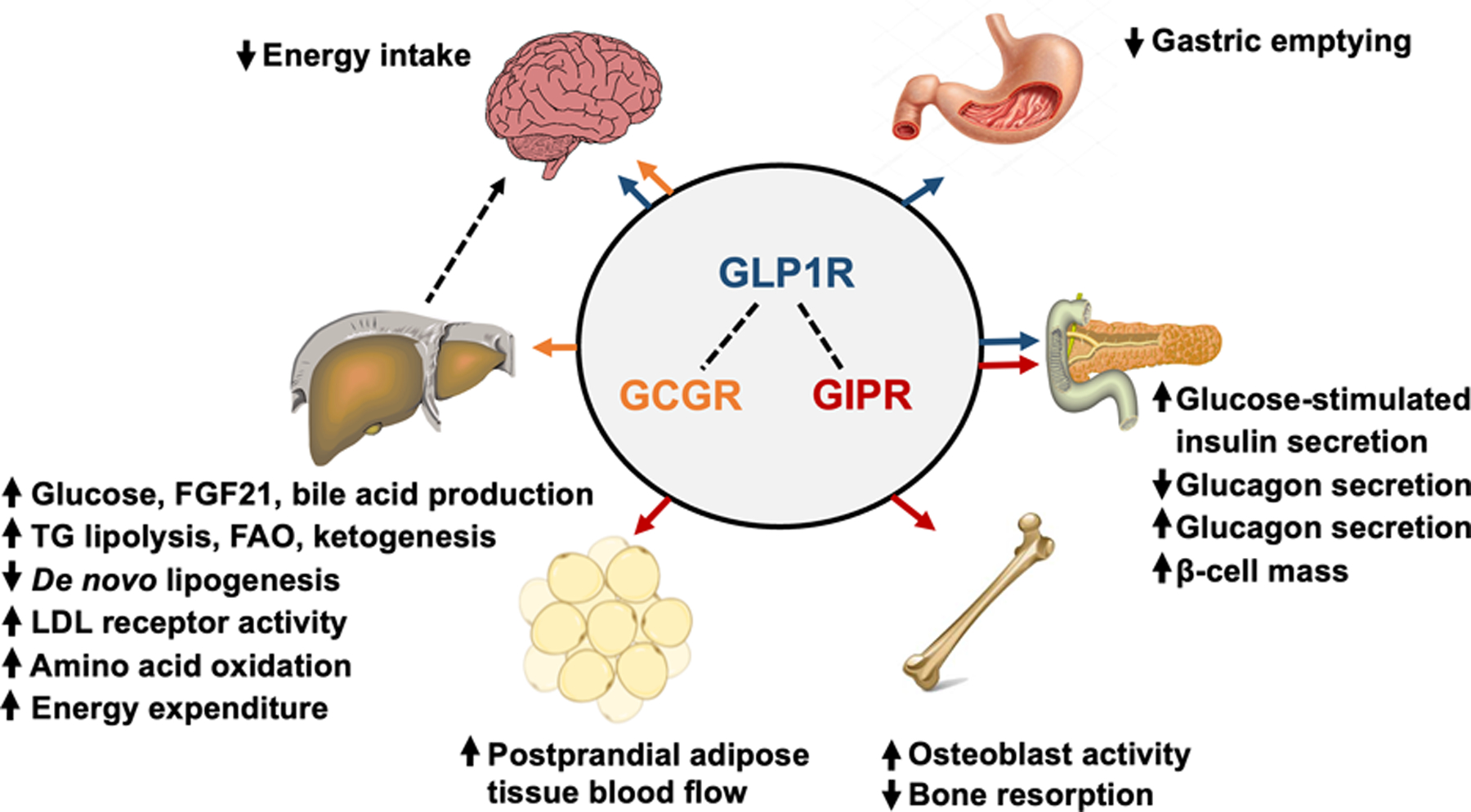
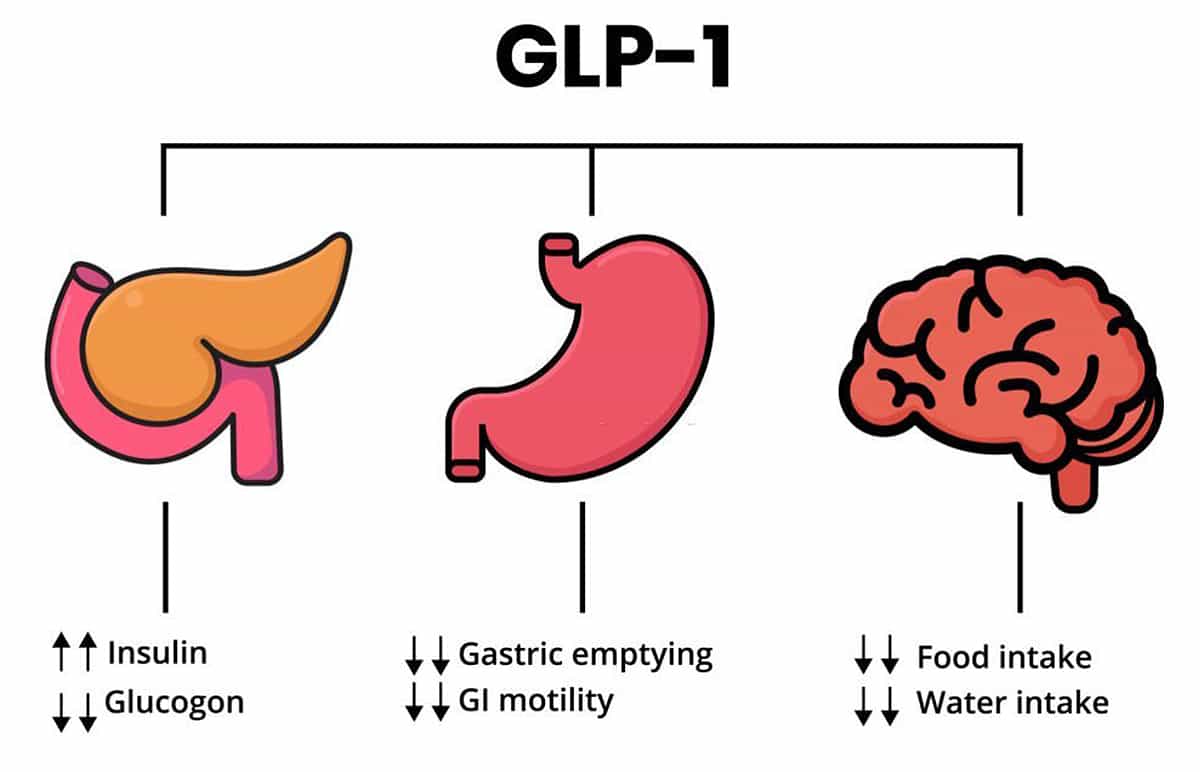
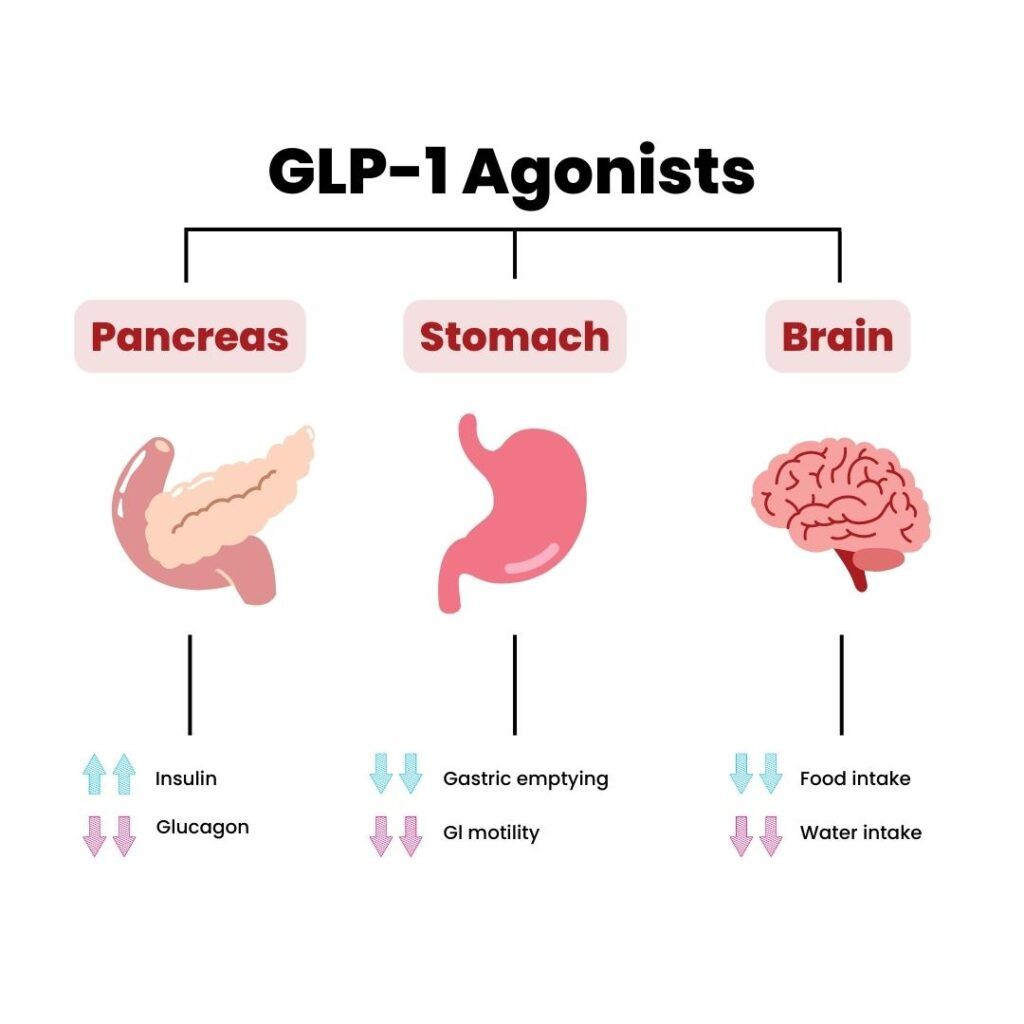
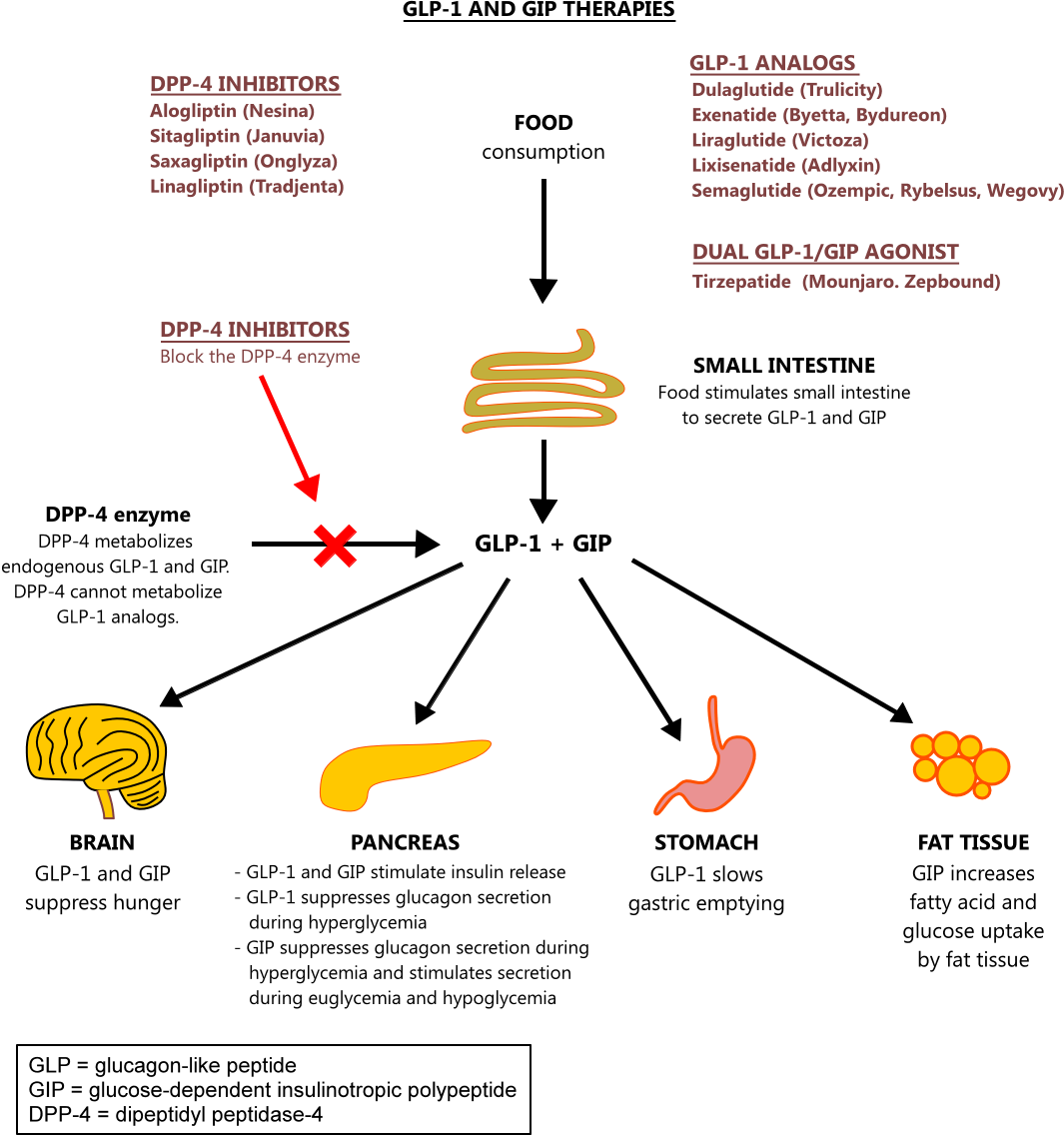
GLP-1 is a gut-derived peptide that stimulates the release of insulin, suppresses glucagon secretion, and sends satiety signals to the brain. This hormone also slows gastric motility and reduces food intake through three pathways: the hypothalamus, area postrema, and sensory nerves. As a result, GLP-1 has a significant impact on glucose-lowering effects, promoting insulin secretion, and suppressing glucagon secretion.
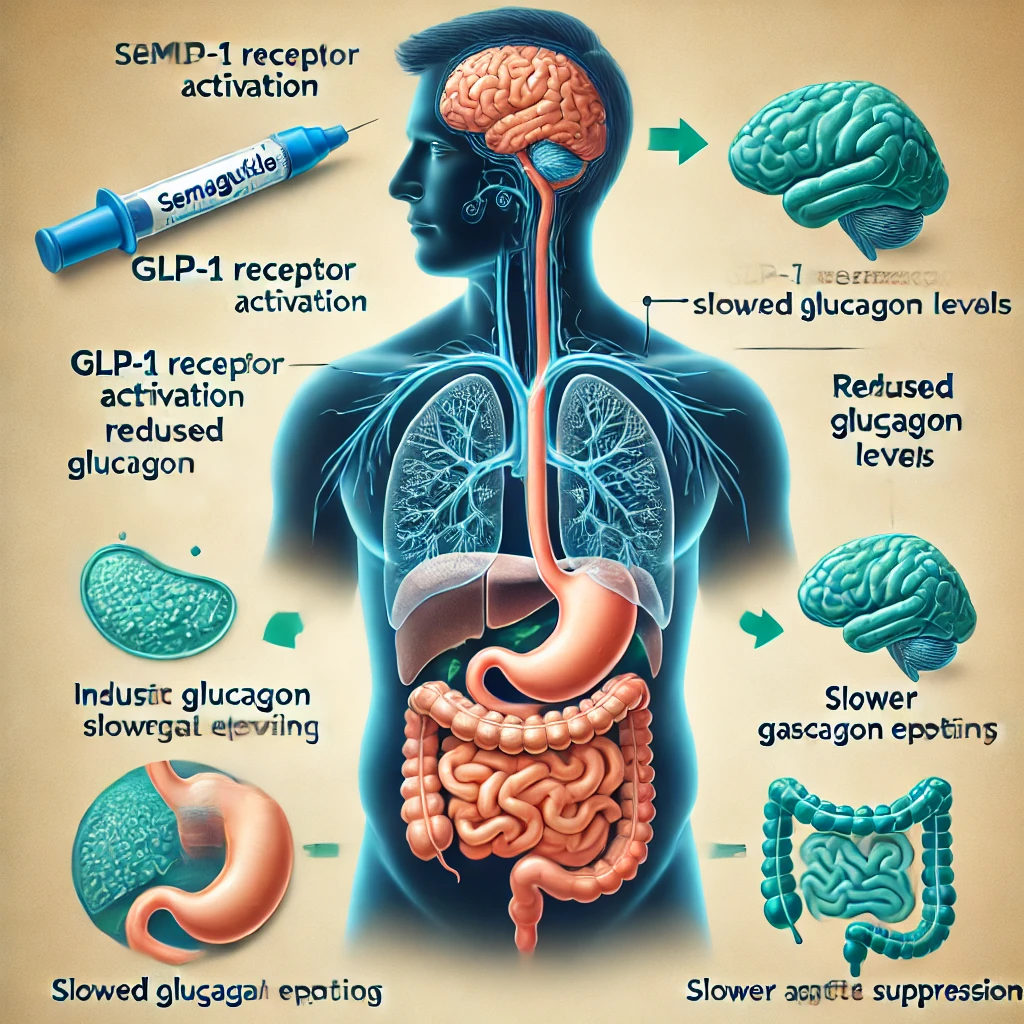
The GLP-1 Mechanism of Action
- Insulin Secretion: GLP-1 stimulates the pancreatic beta cells to release insulin, which helps regulate blood sugar levels.
- Glucagon Suppression: GLP-1 inhibits the release of glucagon, a hormone that raises blood sugar levels.
- Gastric Emptying: GLP-1 slows the movement of food from the stomach to the small intestine, reducing postprandial glucose peaks.
- Satiety: GLP-1 sends signals to the brain, inducing feelings of fullness and reducing appetite.