Understanding the Connection between GLP-1 and Stress Eating
Stress and low mood are powerful triggers for compulsive overeating, a maladaptive form of eating leading to negative physical and mental health consequences. Stress-vulnerable individuals, such as people with obesity, are particularly prone to overconsumption of high-energy foods and may use it as an emotional coping mechanism. However, the role of GLP-1 in emotion and stress regulation, and whether it is a viable treatment for stress-induced compulsive overeating, has yet to be established.
The Science Behind GLP-1 and Eating Behavior
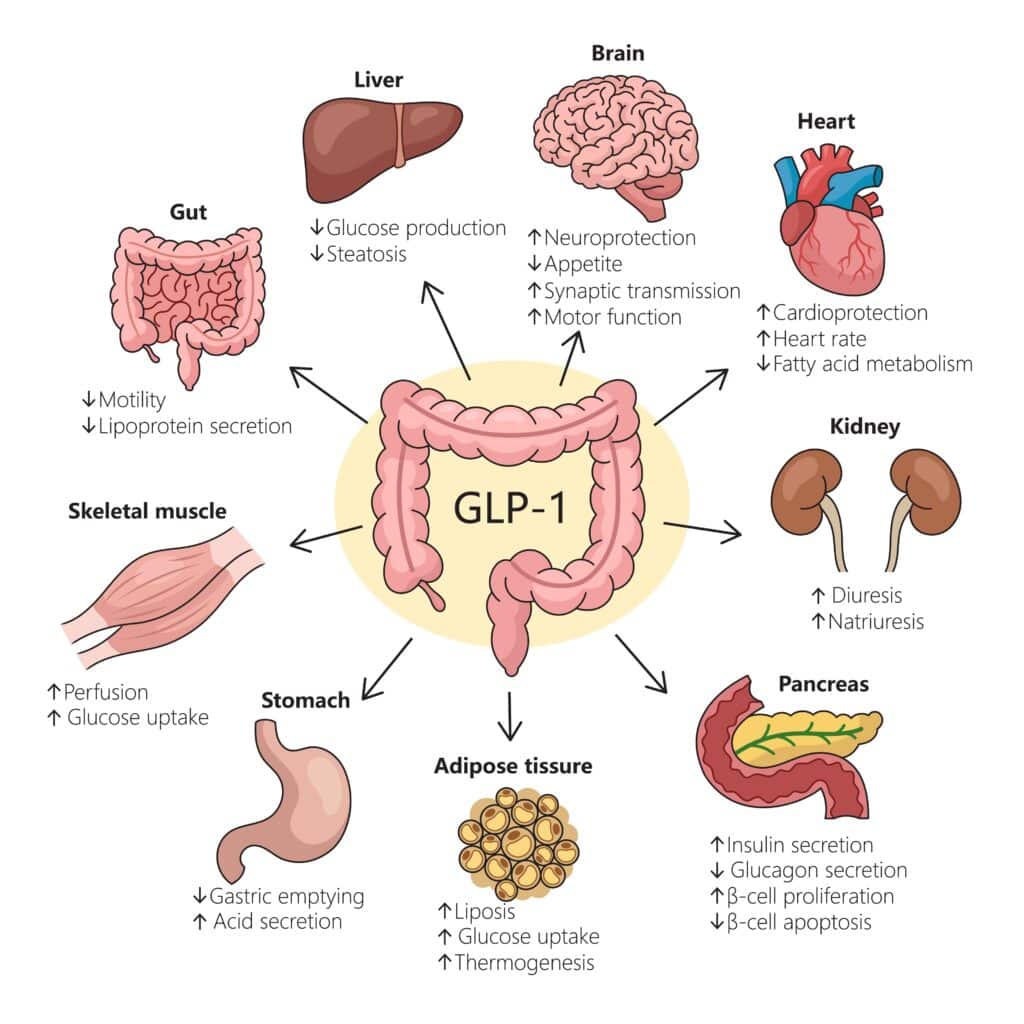
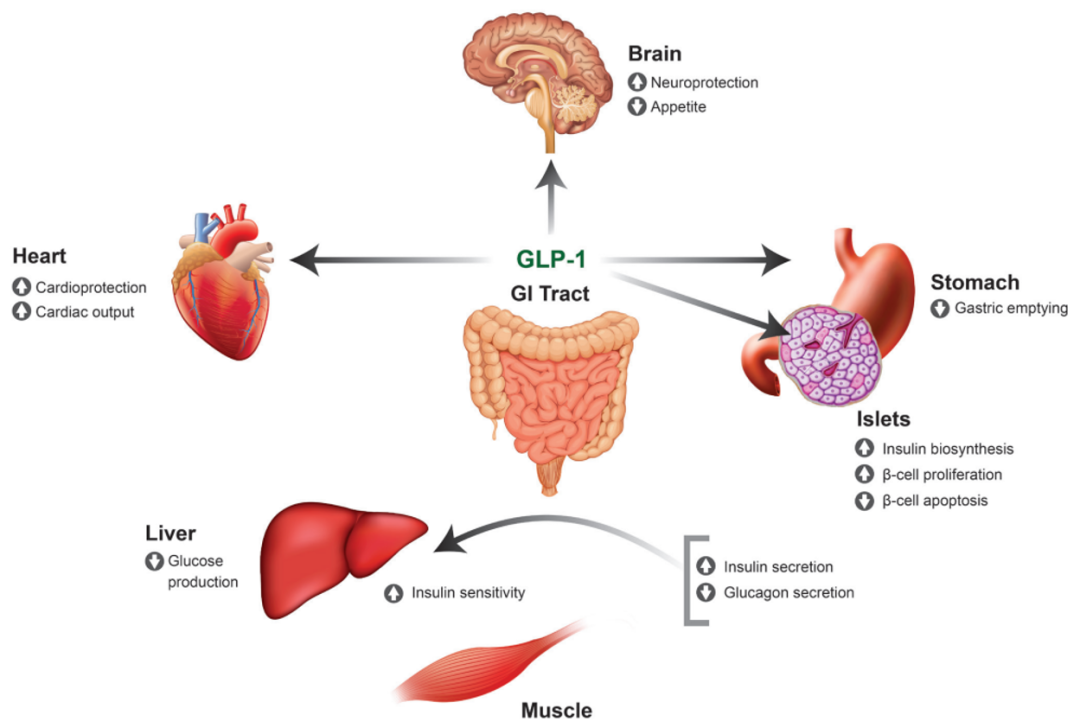
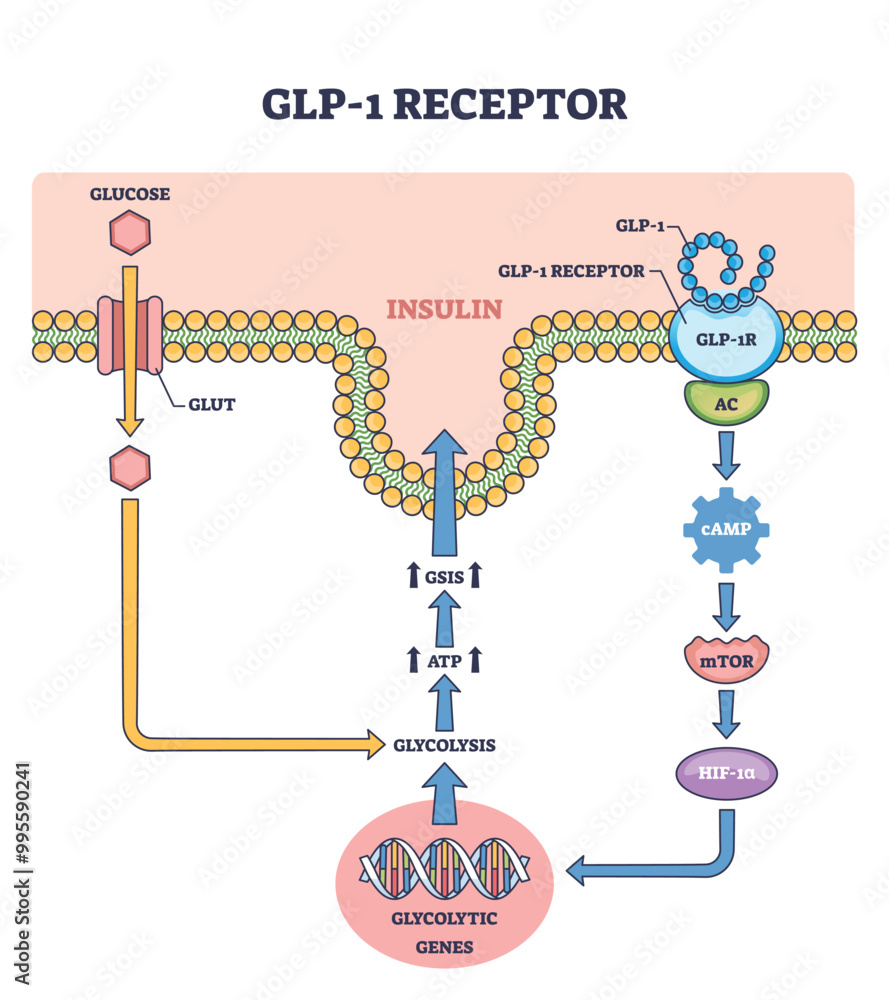
GLP-1, or glucagon-like peptide-1, is a hormone naturally produced in the gut after eating. It helps coordinate appetite signals in the brain, the pace at which food leaves the stomach, and how the body responds to rising glucose after a meal. Recent studies have highlighted the potential of GLP-1 receptor agonist therapy in modulating eating behavior and stress-related eating patterns.

The Connection between Stress and Eating Behavior
Stress and anxiety can trigger emotional eating, leading to overconsumption of high-calorie foods and drinks. This behavior can have negative consequences on physical and mental health, including weight gain, metabolic disorders, and decreased mental well-being. GLP-1 medications, such as Ozempic and Wegovy, have been shown to help regulate appetite and reduce food cravings, making it easier to manage stress-induced eating patterns.