The Environmental Impact of Septic Tank Systems: A Comprehensive Guide
Septic tanks are often seen as a practical solution for waste management in areas without access to centralized sewage systems. However, their environmental implications are complex and multifaceted. In this article, we'll delve into the environmental impact of septic tank systems and explore actionable steps to ensure yours is eco-friendly.
How Septic Systems Work
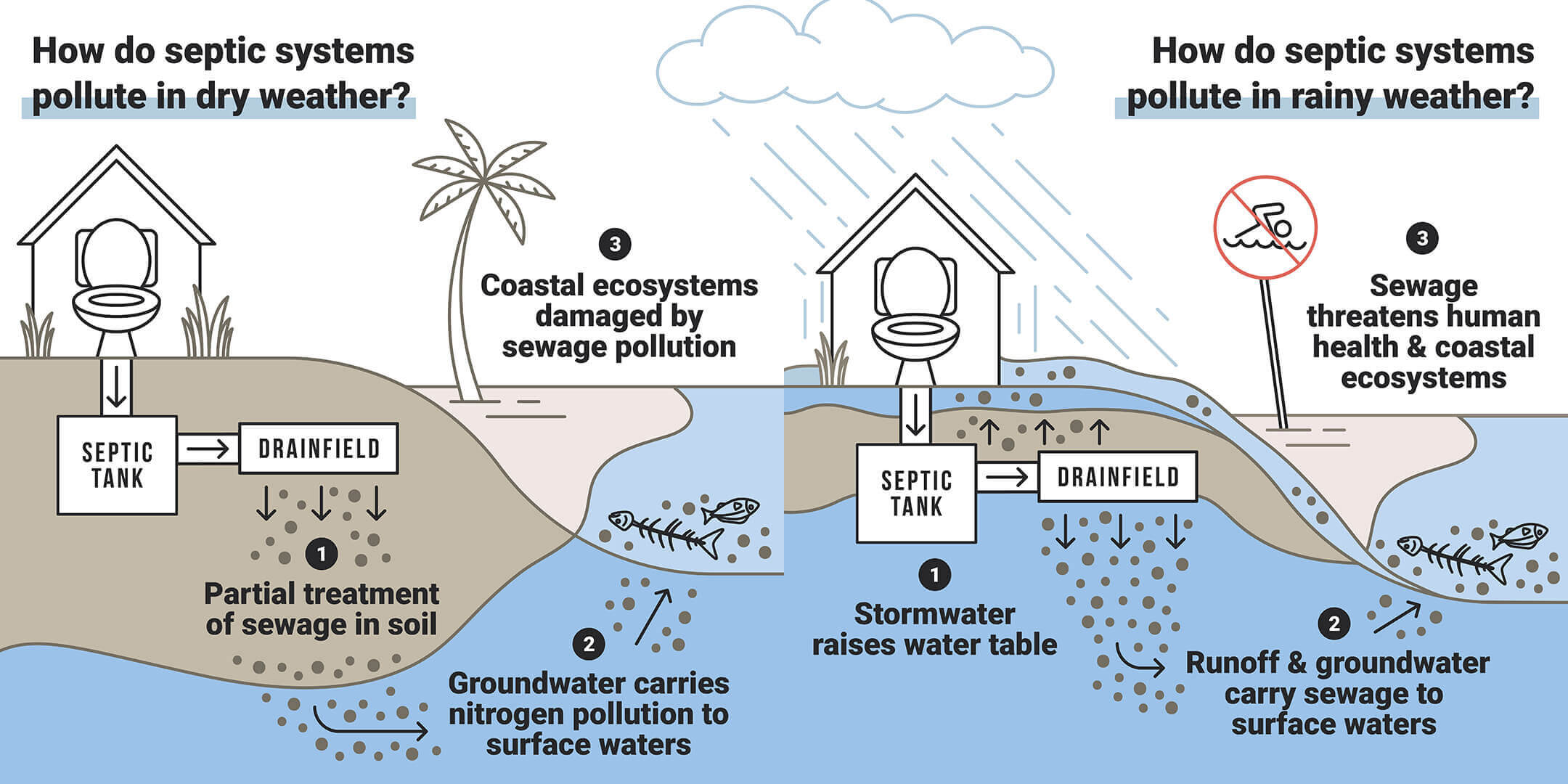
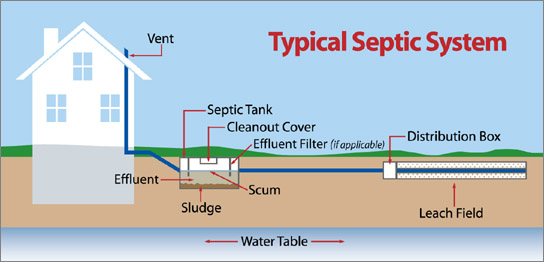
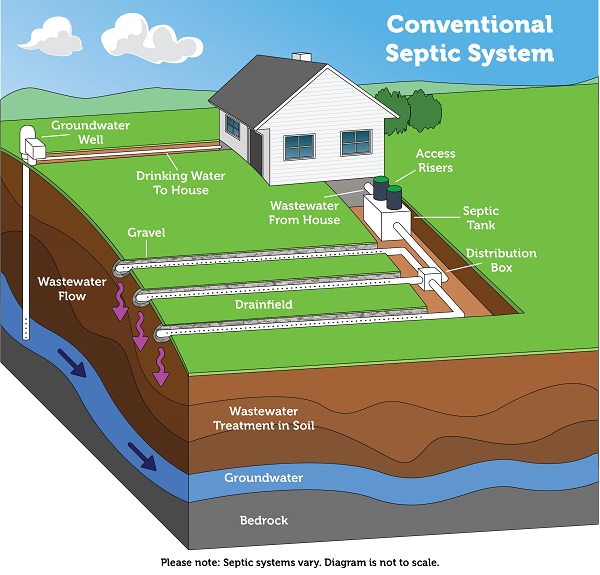
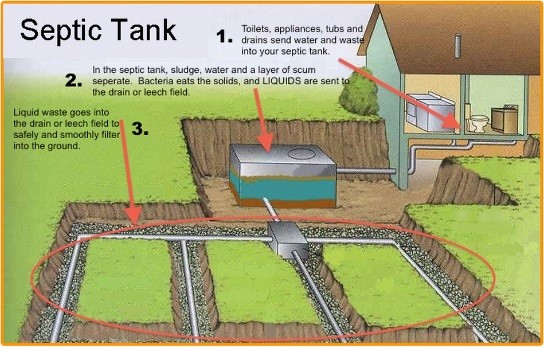
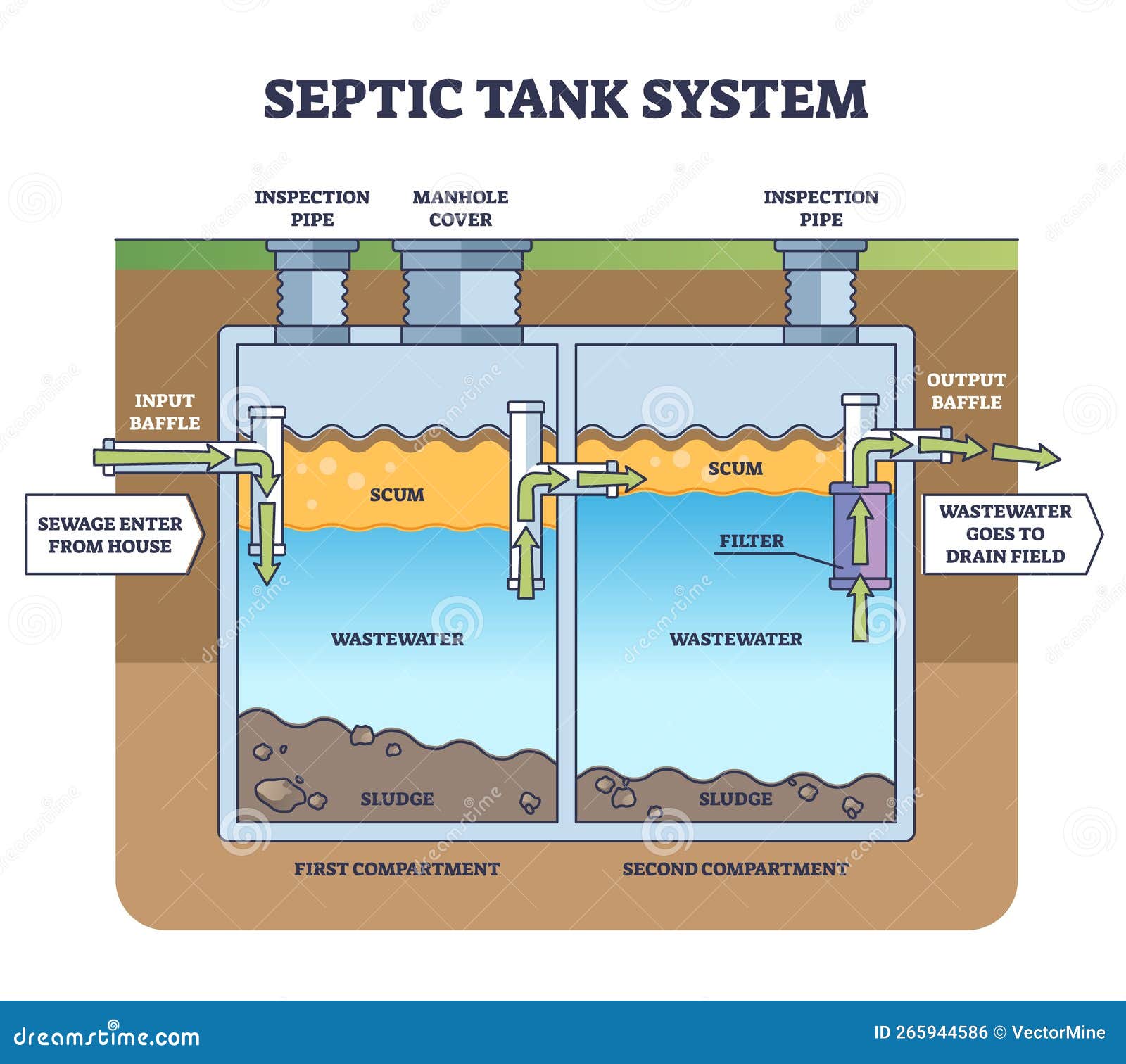
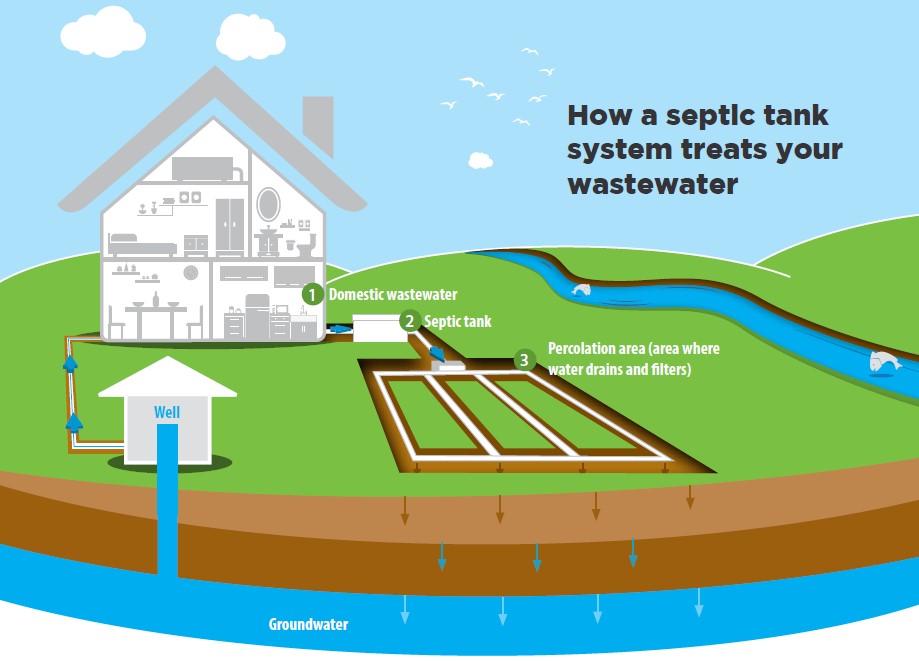
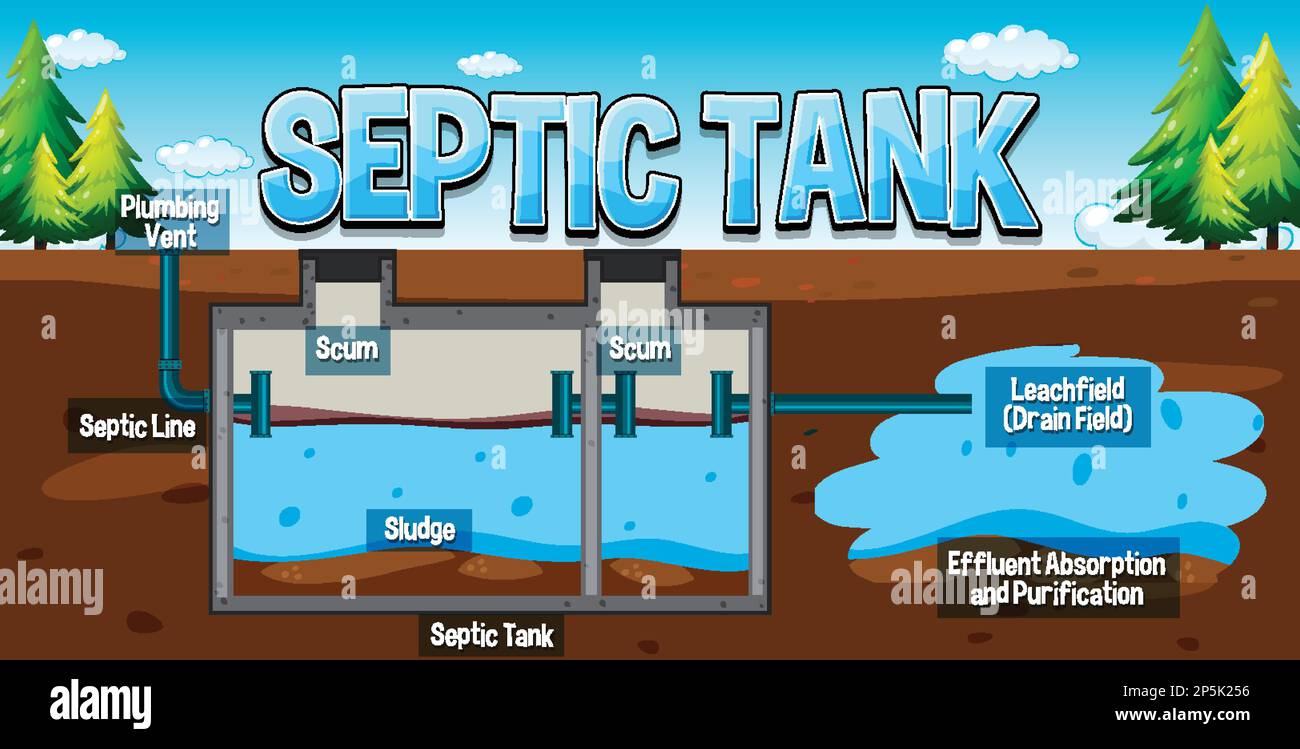
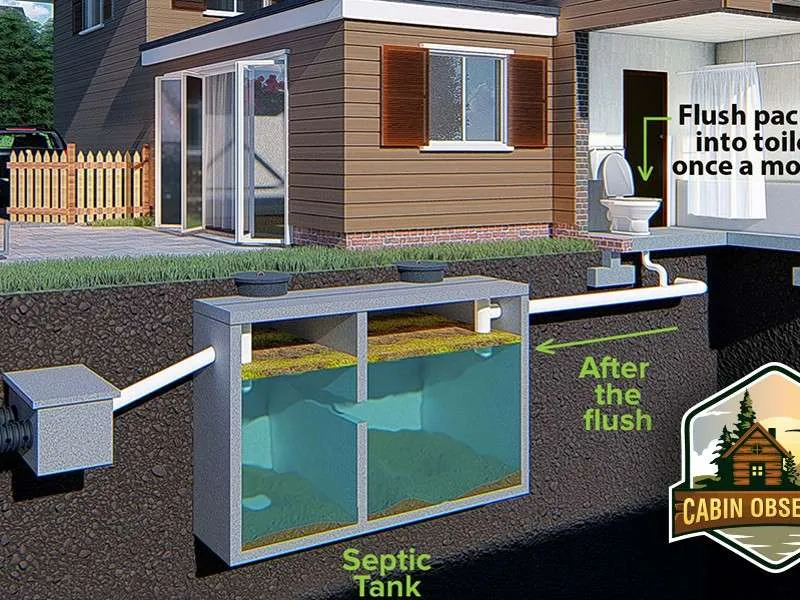
A typical septic system includes a septic tank and a drain field (or leach field). Wastewater from your home flows into the septic tank, where solids settle at the bottom and lighter materials like grease float to the top. The treated wastewater then flows into the drain field, where it's filtered and absorbed by the soil.
The Environmental Impact of Septic Tank Systems
The environmental impact of septic tank systems is a significant concern. From groundwater contamination to the emission of harmful gases, poorly managed septic systems can adversely affect the environment. Some of the key environmental impacts include:
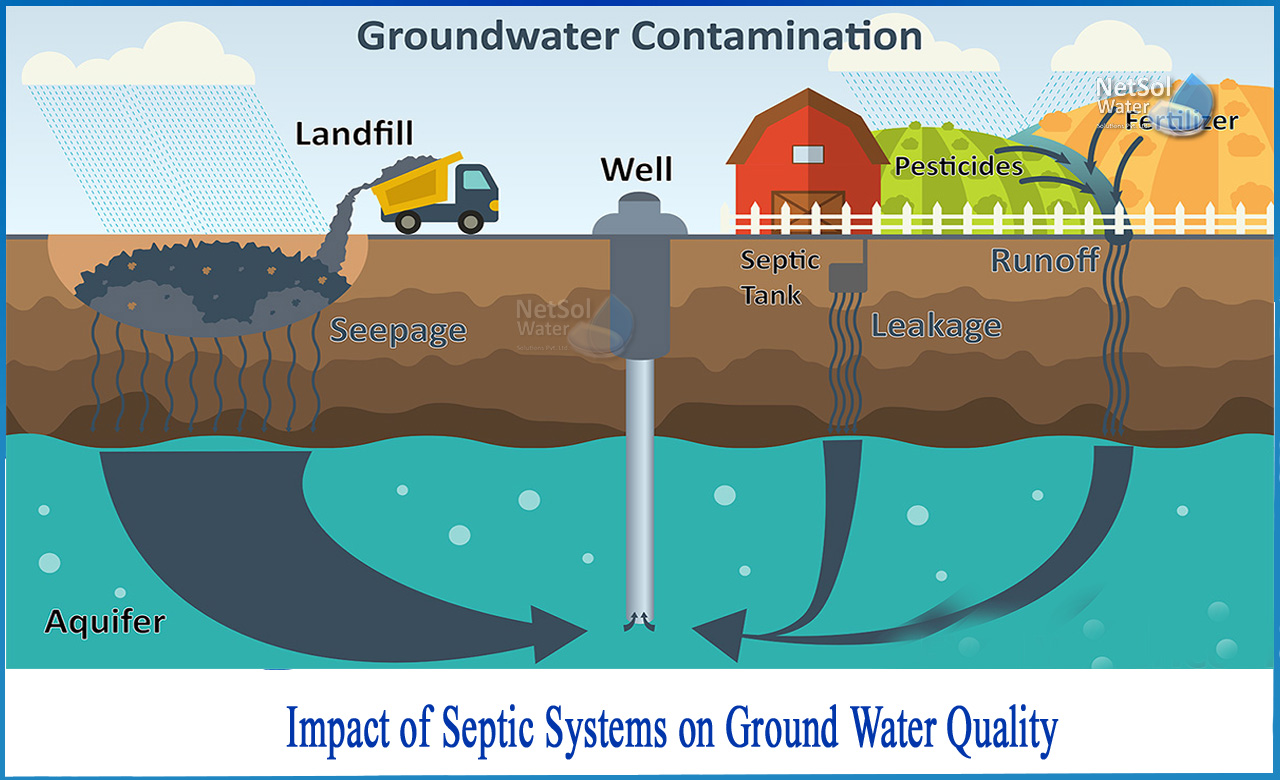
- Groundwater contamination: If the septic system is not designed or maintained properly, wastewater can leach into the groundwater, contaminating nearby wells and aquifers.
- Surface water contamination: Septic systems can also contaminate surface water bodies, such as rivers and lakes, if the system is not functioning correctly.
- Soil pollution: The release of pollutants, such as nutrients and bacteria, into the soil can lead to soil degradation and affect plant growth.
- Harmful gas emissions: Septic systems can emit methane and other gases, contributing to greenhouse gas emissions and climate change.