Carbon Credit Trading with ESG Criteria
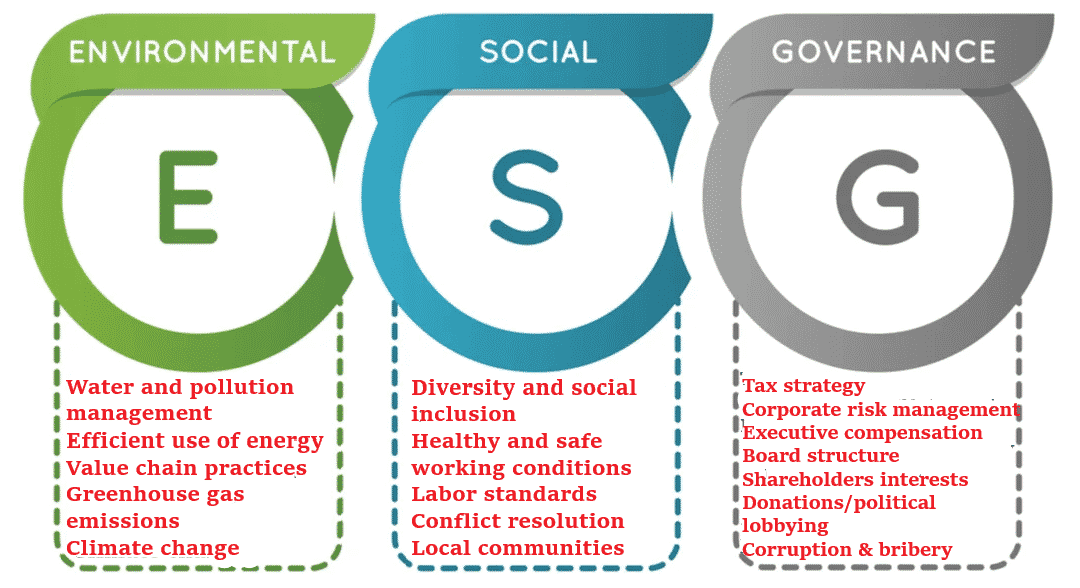
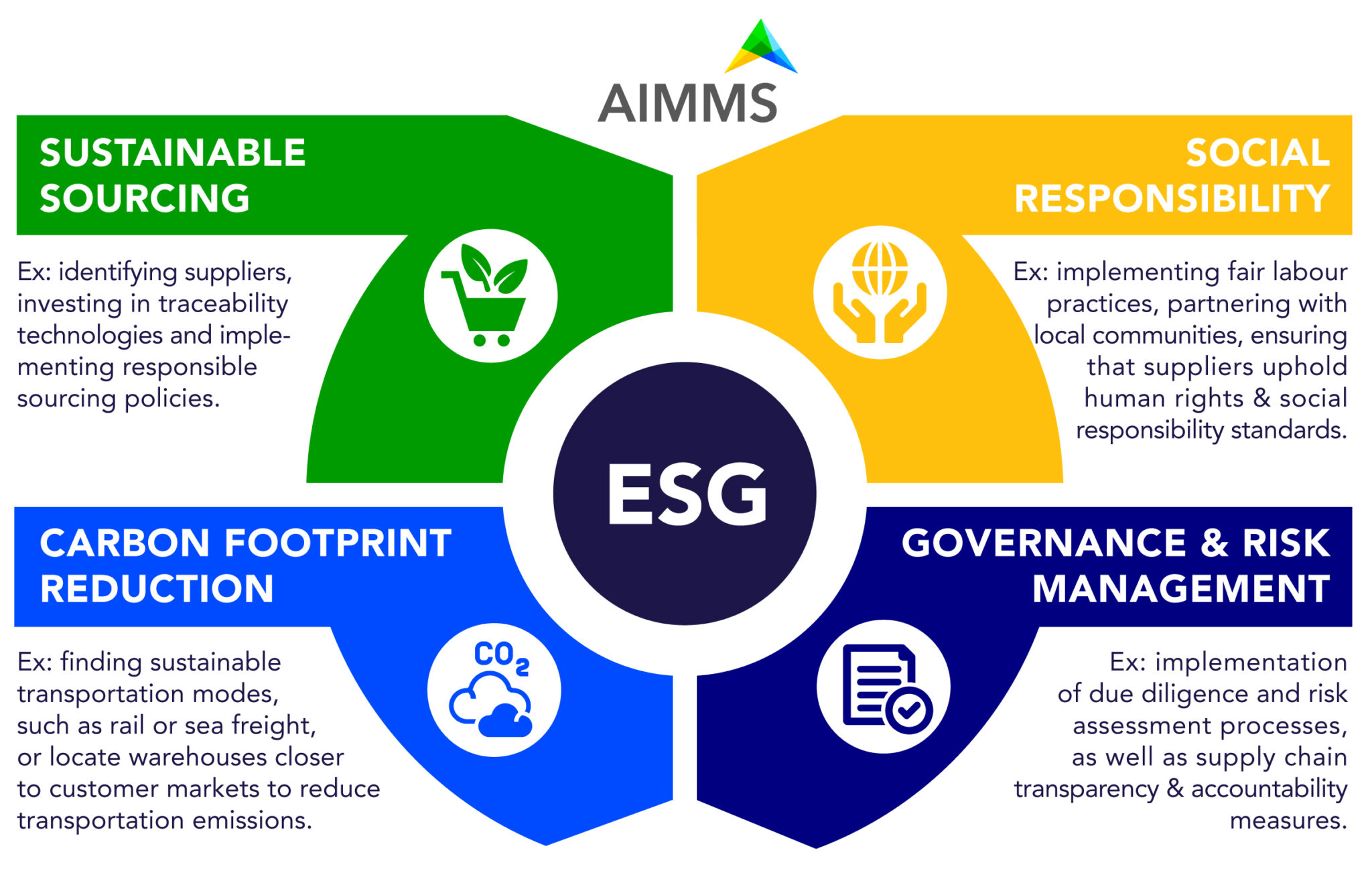
Carbon credit trading has emerged as a vital tool in the fight against climate change, with investors and corporations seeking to reduce greenhouse gas emissions and promote sustainable business practices. Incorporating Environmental, Social, and Governance (ESG) criteria into carbon credit trading has become increasingly important, as companies and investors strive to make more informed investment decisions.
What are Carbon Credits?
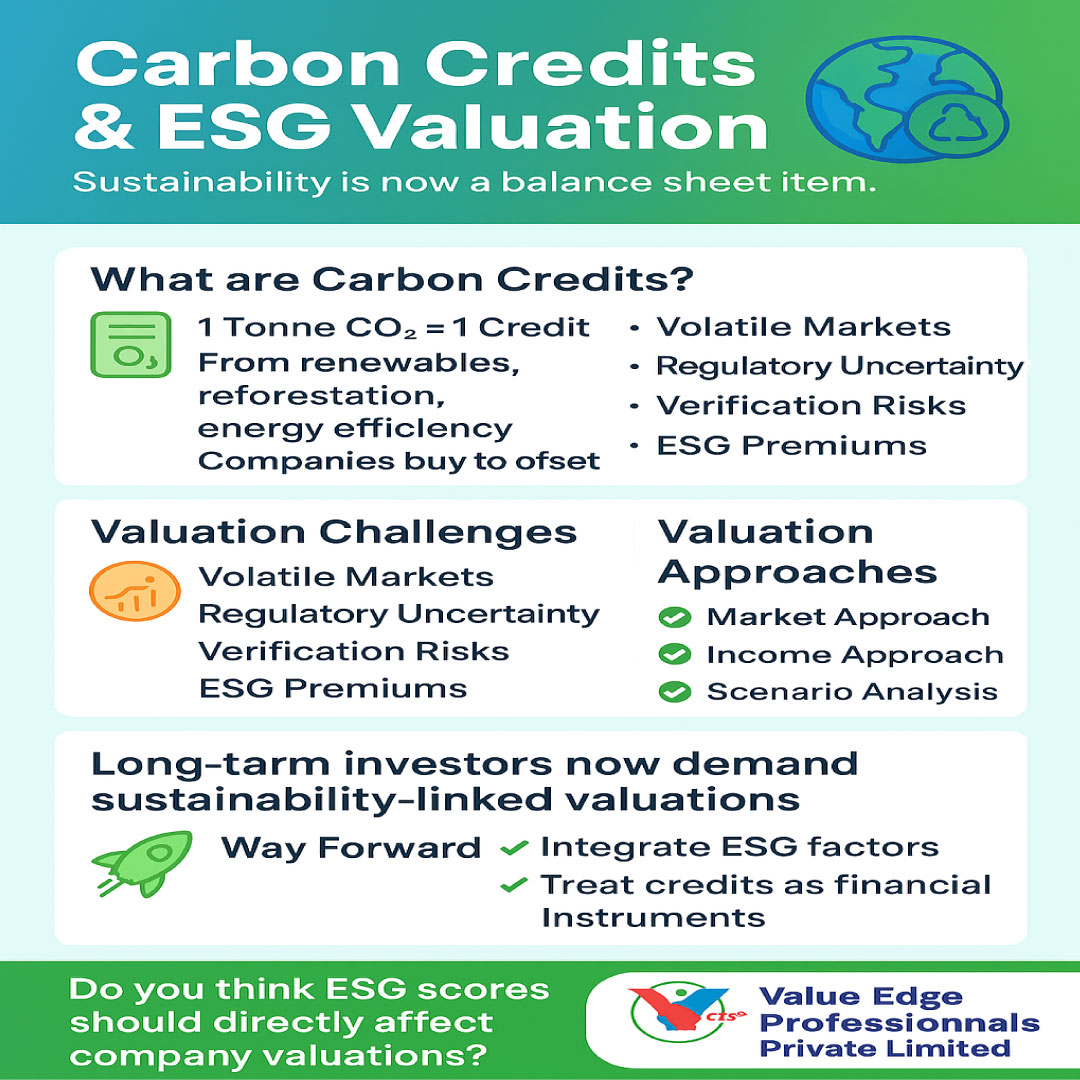
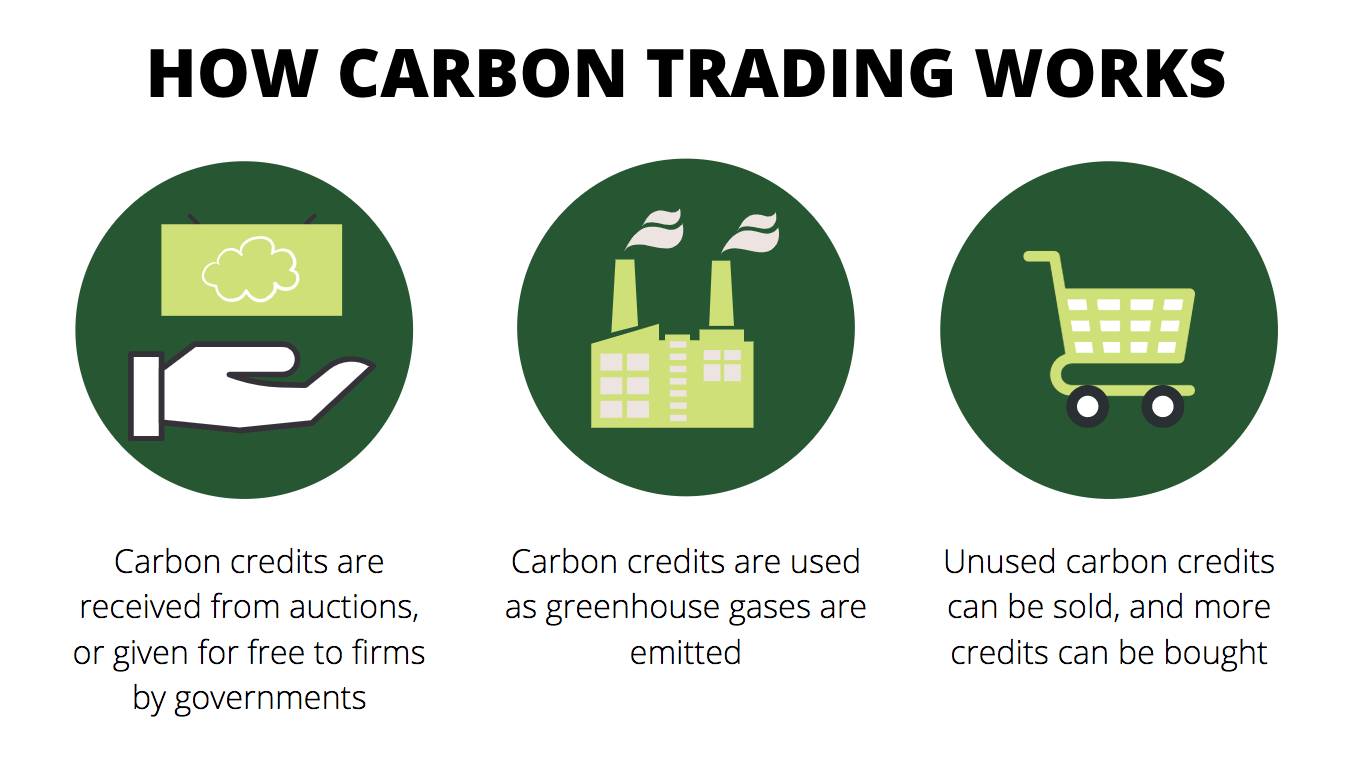
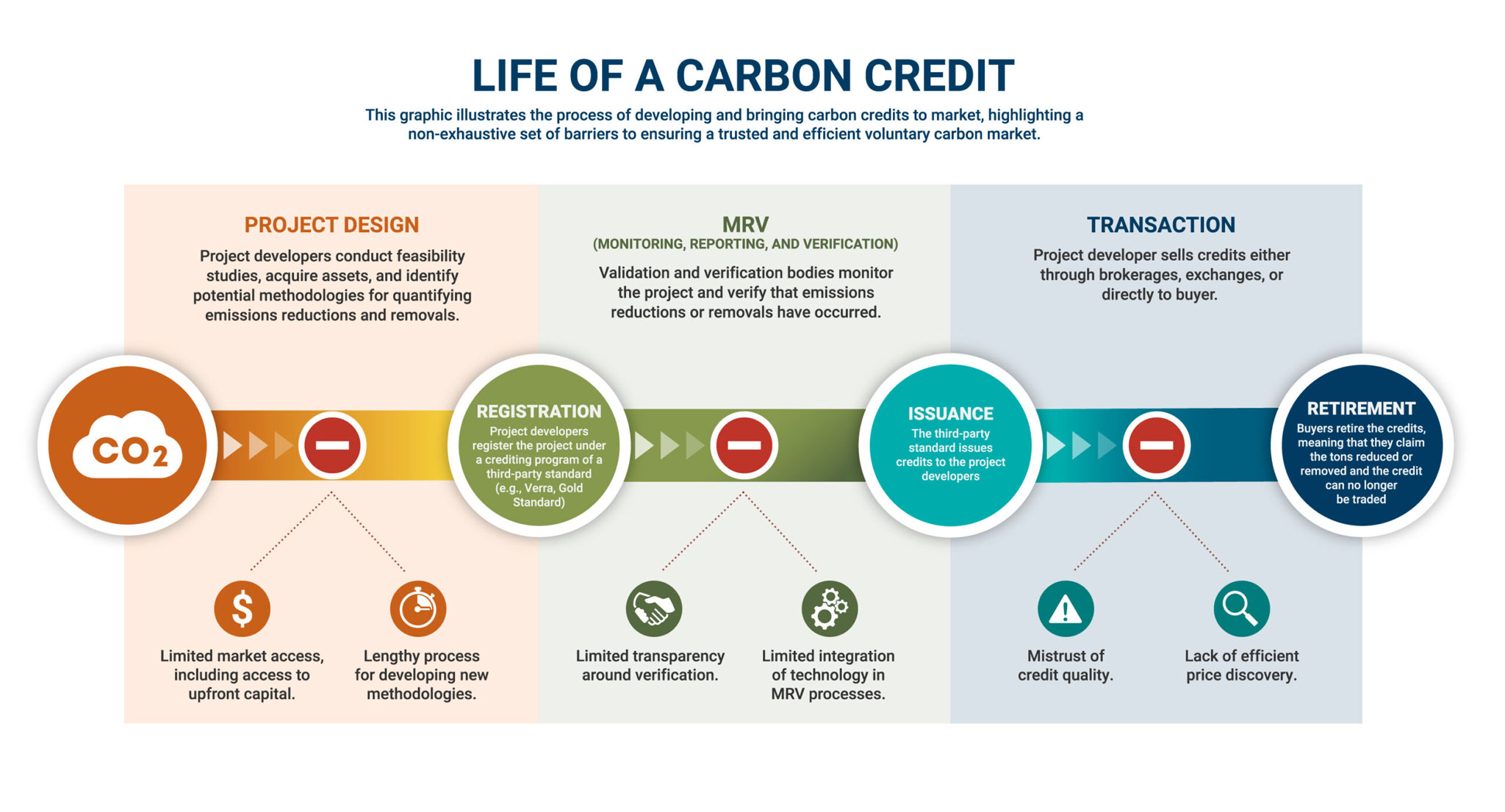
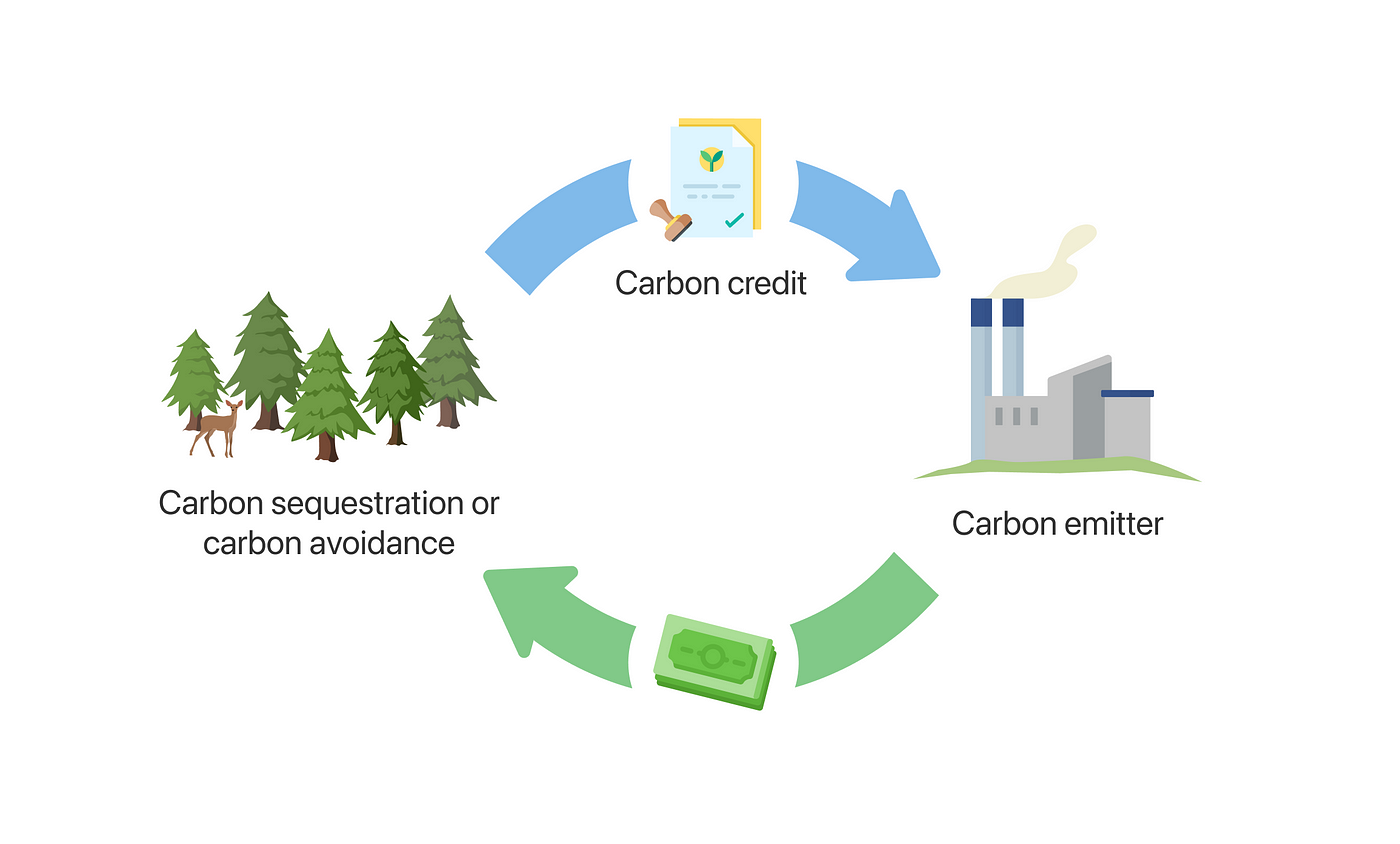
Carbon credits represent the right to emit one ton of carbon dioxide or its equivalent greenhouse gases (GHGs). The process of buying, selling, or exchanging these credits allows companies to offset their emissions and comply with environmental regulations. ESG investing evaluates companies based on their environmental, social, and governance performance, promoting sustainable and ethical business practices.
Types of Markets Drive Carbon Credit Trade
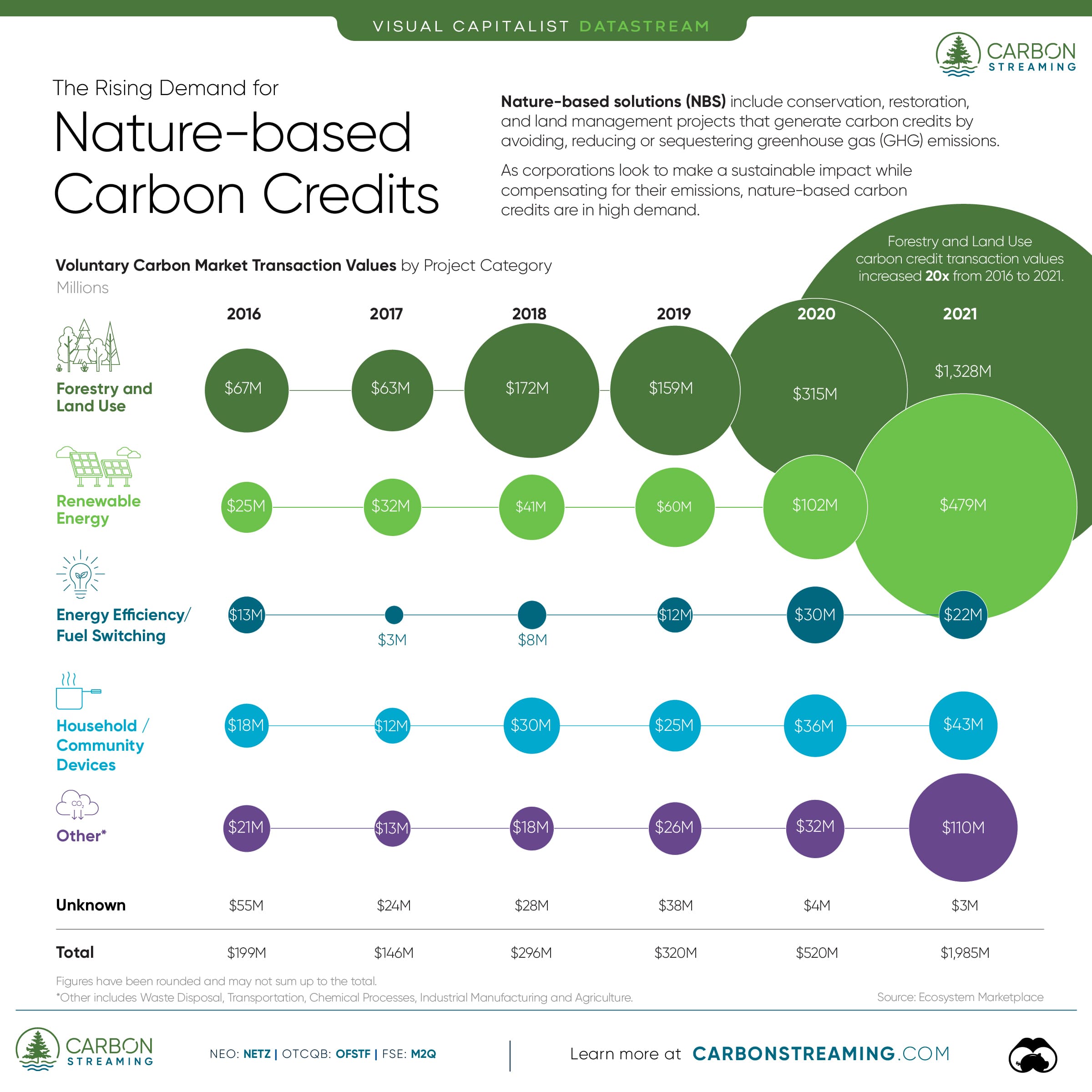
Carbon credit trading is driven by two main types of markets: compliance and voluntary markets. Compliance markets, such as the European Union's Emissions Trading System (EU ETS), require companies to purchase emissions allowances to meet their emissions reduction targets. Voluntary markets, on the other hand, allow companies to buy and sell credits to voluntarily offset their emissions.
- Compliance Markets: Focus on compliance with environmental regulations and emissions reduction targets.
- Voluntary Markets: Focus on voluntary offsetting of emissions for companies that want to demonstrate their commitment to sustainability.