Binge Eating and GLP-1: A New Hope for Treating Eating Disorders
Binge eating disorder (BED) is a prevalent eating disorder characterized by recurring episodes of excessive food consumption, often accompanied by feelings of guilt, shame, and self-loathing. While traditional treatments, such as cognitive-behavioral therapy (CBT) and medication, have shown varying degrees of success, the search for new and effective interventions continues. One promising area of research is the use of glucagon-like peptide-1 (GLP-1) receptor agonists, medications approved for type 2 diabetes and obesity, to treat eating disorders, including BED.
The Role of GLP-1 in Hunger and Satiety Regulation
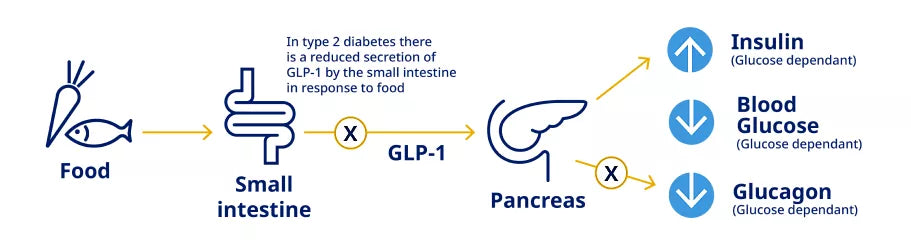
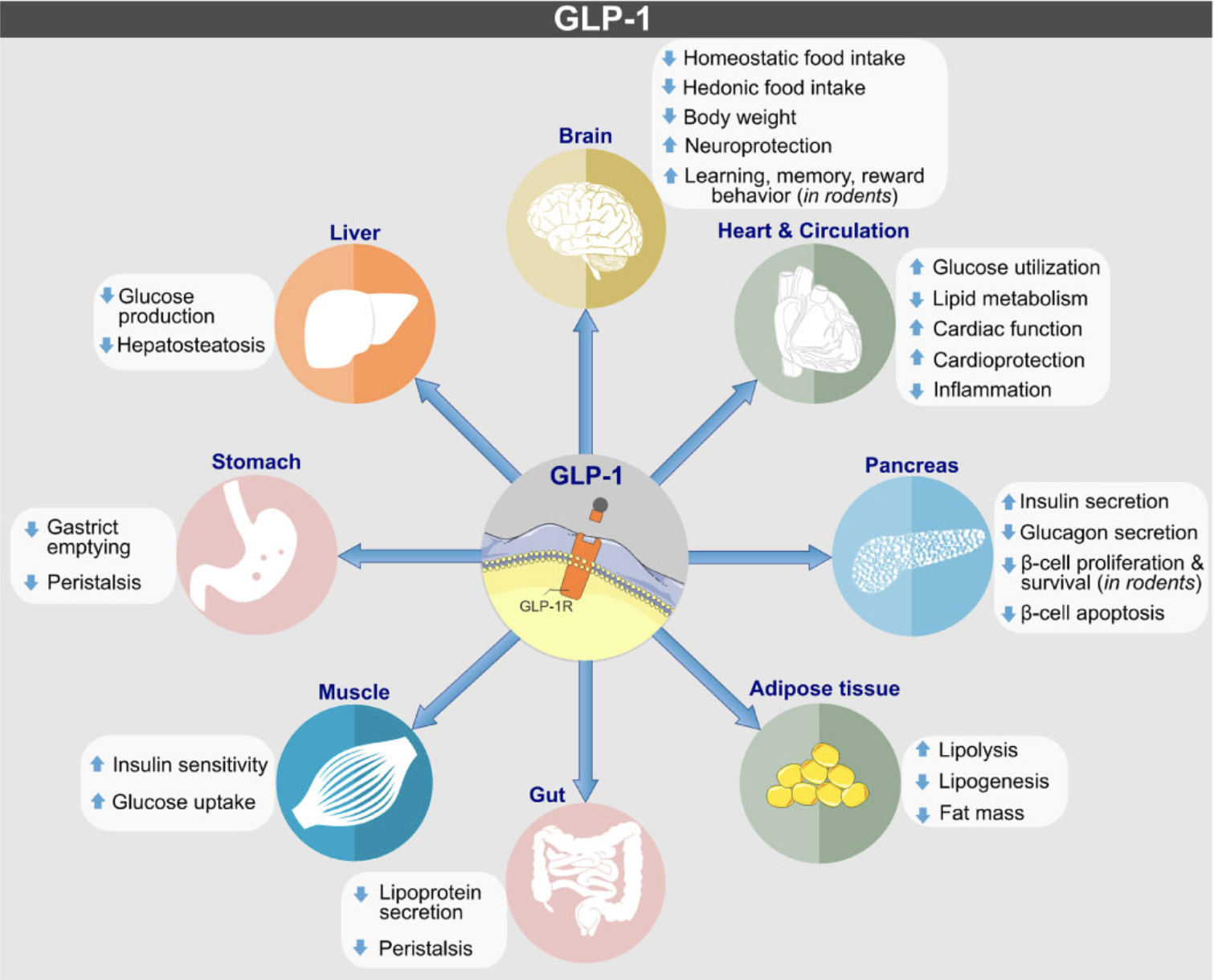
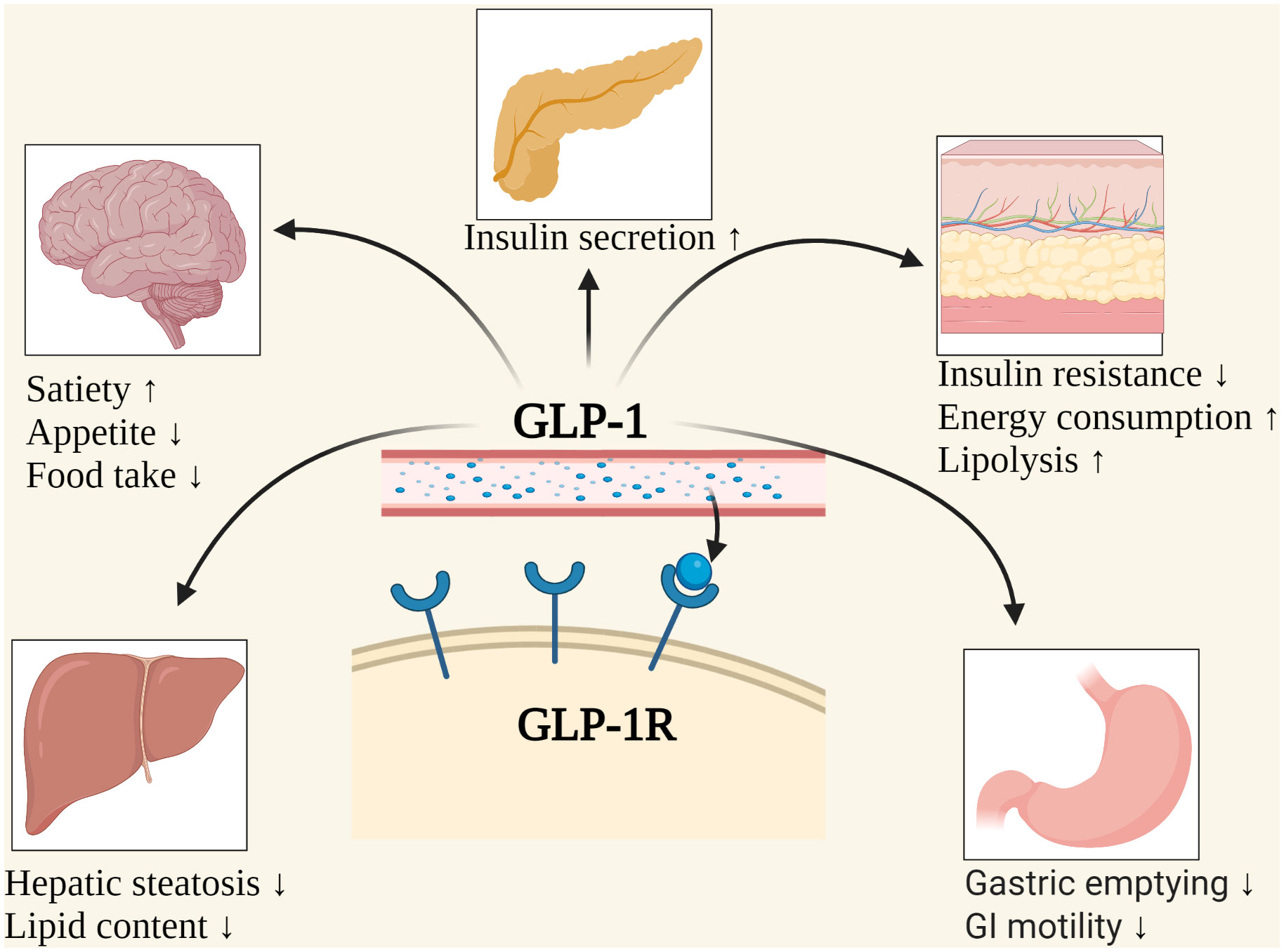
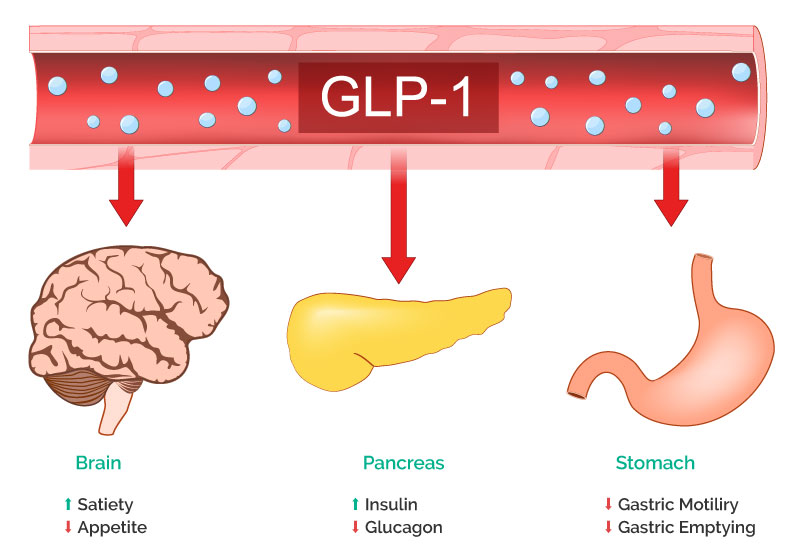
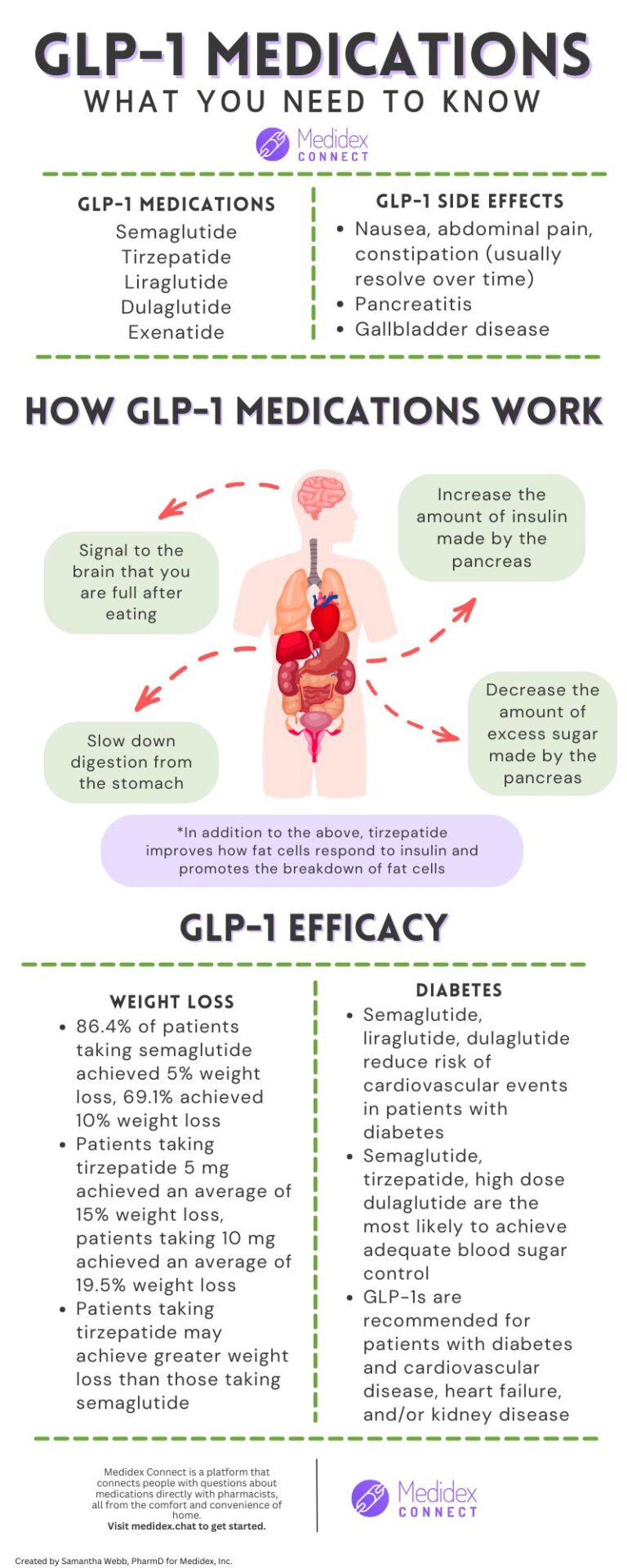
GLP-1 is a natural gut hormone released after eating, which plays a critical role in regulating hunger and satiety. This hormone is released in response to food intake and helps to regulate appetite, satiety, and glucose metabolism. Research has shown that GLP-1 receptor agonists, such as liraglutide (Saxenda) and semaglutide (Ozempic), can decrease hunger and increase feelings of fullness, potentially reducing binge eating behaviors.

GLP-1 Receptor Agonists and Eating Disorders
Several studies have investigated the use of GLP-1 receptor agonists in treating eating disorders, including BED. Small pilot studies have shown that these medications can reduce binge eating behaviors, body weight, and comorbidities in individuals with BED and bulimia nervosa. Additionally, GLP-1 receptor agonists have been found to have a favorable psychiatric side-effect profile compared to current medical treatments for eating disorders.